


Mindfulness isn’t usually the first word you associate with gadgets, but the right tools can make presence practical. During Amazon’s Big Spring Sale, I put seven wellness devices to work across my day. The result: less scrolling, steadier breathing, better sleep—and yes, each pick is marked down right now.
What surprised me most wasn’t the tech itself; it was the way small nudges added up. A sunrise alarm trimmed my morning grogginess. A handheld breathing coach made hard days feel navigable. And a simple NFC “brick” turned mindless phone checks into conscious choices.
This isn’t about chasing metrics for the sake of it. It’s about creating cues, comfort, and gentle friction so your default becomes calmer, not busier—while taking advantage of timely deals.
How Mindful Tech Fits Into Daily Routines
Stress has become a background hum for many of us. In its most recent Stress in America report, the American Psychological Association highlighted widespread fatigue and overwhelm. Meanwhile, the CDC estimates about 1 in 3 adults don’t get sufficient sleep—an anchor habit for emotional regulation and focus.
Mindfulness-based gadgets help in three evidence-backed ways: by shaping environments (light and sound prime your brain), by surfacing body signals (breath and heart rate nudge self-regulation), and by adding friction to unhelpful loops (reducing impulsive screen time). Research on heart rate variability biofeedback, for instance, shows meaningful reductions in anxiety and improved autonomic balance in controlled trials. The throughline is simple: make the healthy choice the easy choice.
The 7 Wellness Gadgets That Changed My Daily Habits
- Hatch Restore 3 Bundle (sunrise alarm + portable sound machine, $170, save $40): Waking to a gradual sunrise and soft sound replaced my jarring phone alarm and cut snooze taps. Sleep clinicians often note that predictable light cues reinforce circadian timing; I found I woke clearer and reached for my phone later. The travel-sized sound machine keeps the routine intact on the road.
- Moonbird Meditation Device (breathing coach with PPG, $200, save $30): This palm-size tool expands and contracts in your hand to pace slow breathing, while a photoplethysmography sensor tracks heart rate, variability, and coherence. A 2021 review in Applied Psychophysiology and Biofeedback links HRV-biofeedback to lower anxiety; in practice, three five-minute sessions punctuated my day and made stress feel measurable—and manageable.
- Ozlo Sleepbuds (noise-masking earbuds, $259, save $90): Built by veterans of the original noise-masking sleepbuds, these sit flush and play engineered soundscapes that mask trains, neighbors, or a snoring partner. Consistent, broadband sound can reduce awakenings from intermittent noise, according to acoustic sleep research. For me, the real win was the habit cue: Sleepbuds in equals phone out.
- Brick (NFC app blocker, $47, save $12): This is behavioral design in a square. Tap your phone to the Brick to “lock” selected apps; tap again to unlock. That extra step is just enough friction to interrupt reflexive checks, an idea popularized by behavioral scientist BJ Fogg. I set it to block social apps after 7 p.m.—evenings feel longer, and my reading time has doubled.
- Renpho Eye Massager (heated compression mask, $50, save $20): After hours of screen time, gentle heat and rhythmic kneading around the orbits eased my brow and jaw tension. Small studies suggest warm compresses and light massage can relieve digital eye strain and dry eye symptoms. Built-in audio is fine, but pairing my own white noise turned it into a micro-meditation.
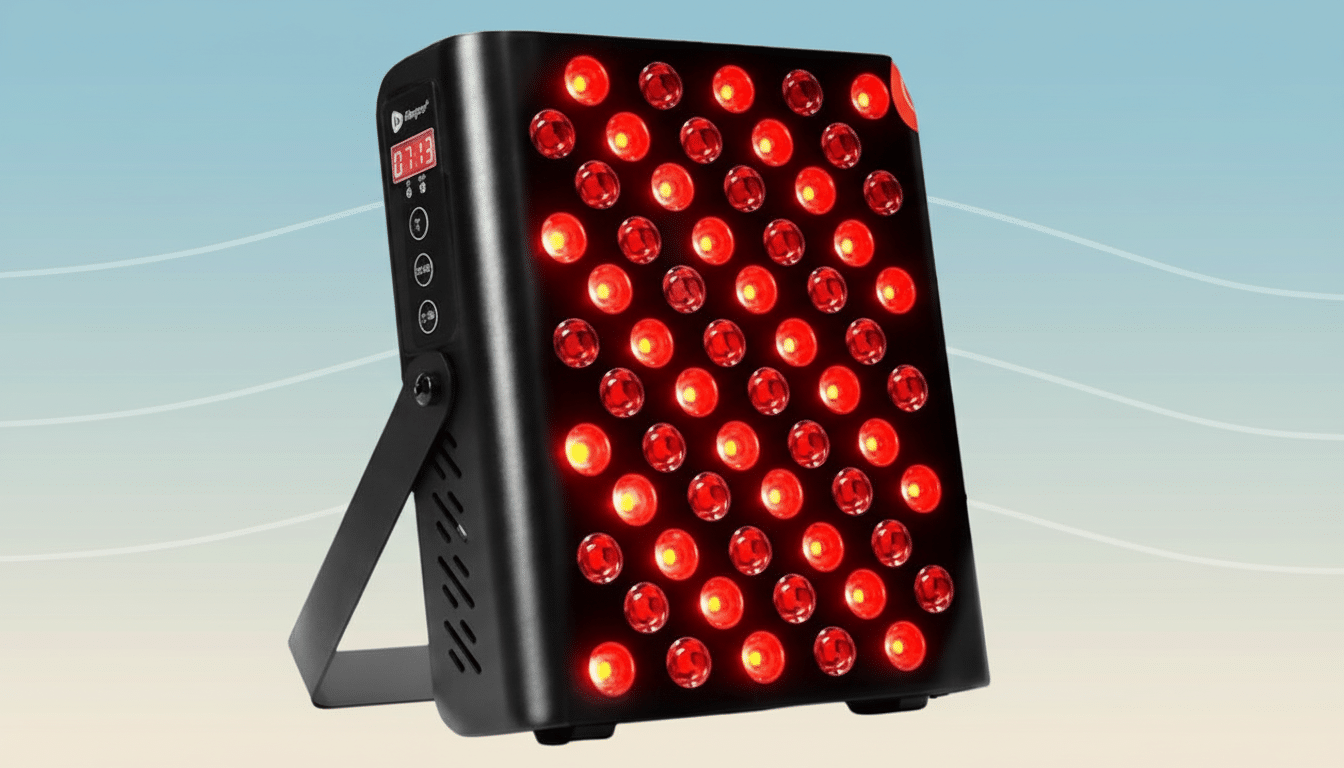
- LifePro Red Light Therapy Panel (660/850 nm, $144, save $36): Photobiomodulation research is growing, with trials suggesting potential benefits for skin health and post-exercise recovery using red and near-infrared wavelengths. I use 10–15 minutes in late afternoon as a screen break; the change in spectrum alone is a relief for eyes fatigued by blue light. Sessions are timed and easy to stack with breathwork.
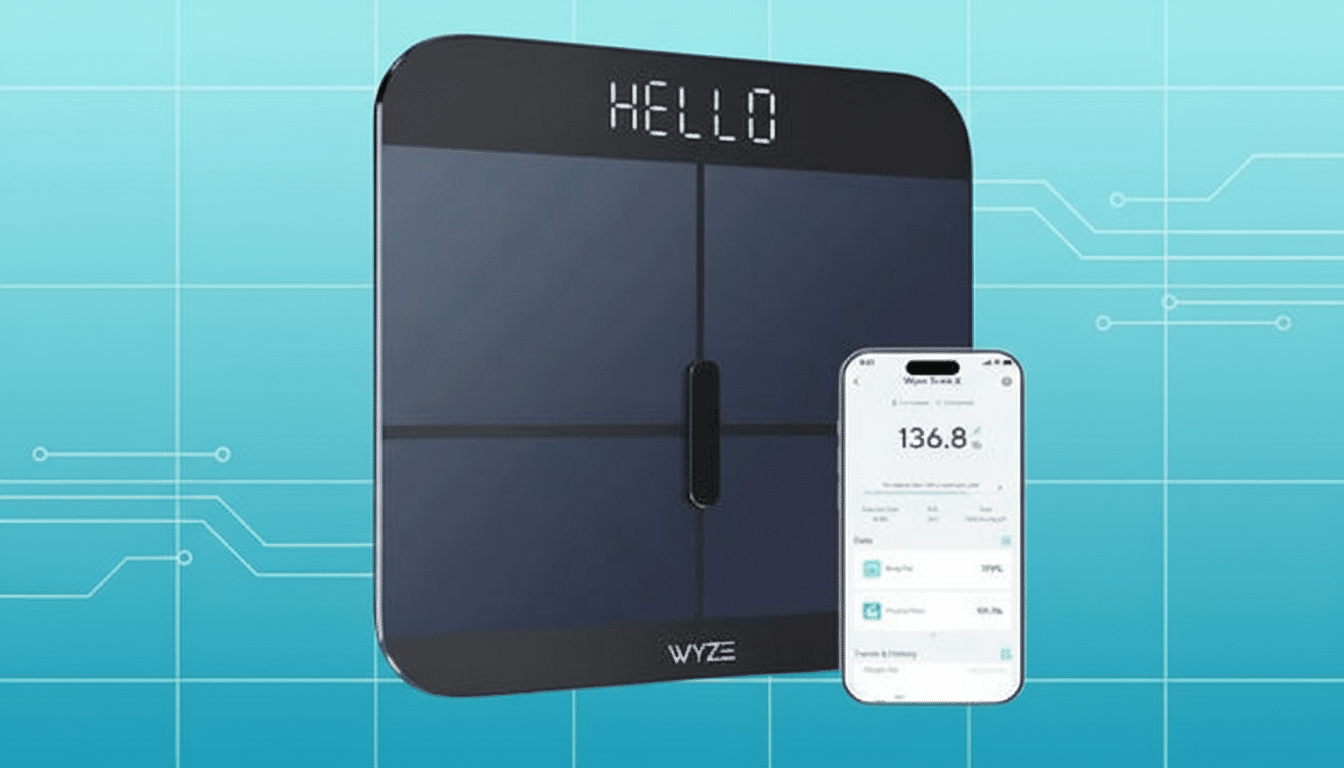
- Wyze Smart Scale (body metrics, $40, save $10): More than weight, this app-linked scale turned sporadic check-ins into a weekly ritual. Self-monitoring is consistently associated with better adherence in behavior-change studies. I focus on trends in body fat and muscle rather than daily fluctuations, and I sync to Apple Health for a single dashboard alongside activity and sleep.
How I Use Them Together for Daily Calm and Focus
Morning starts with the Hatch sunrise, a glass of water, and two minutes of Moonbird breathing before email. Midday, I step away from the laptop, switch on the red light panel, and stack it with a short coherence session. After dinner, the Brick locks social apps; if I’m wired, the eye massager plus ocean sounds resets me. By lights out, the Sleepbuds take over.
None of this is all-or-nothing. The power is in predictable cues layered across the day. Each device created a small, specific doorway back to presence—and the sale pricing made testing the stack far less daunting.
Before You Buy: Fit, Privacy, and Practical Use Tips
These tools support mindfulness; they don’t replace medical care. Check fit and comfort (especially for earbuds and eye masks), review privacy policies for any app-linked biometrics, and set realistic routines you can sustain. With thoughtful use, the right gadget becomes less a distraction and more a quiet reminder to come back to yourself.

