


Healthcare and research organizations are increasingly dependent on digital systems to deliver care, manage records, and conduct complex studies. Electronic health records, remote diagnostics, data analytics platforms, and collaborative research tools are now accessed far beyond the walls of hospitals and laboratories. While this digital shift improves flexibility and productivity, it also introduces serious concerns related to data security, privacy, and compliance. In this environment, a secure remote access solution plays a vital role in helping organizations protect sensitive information while allowing authorized professionals to work efficiently from different locations.
Doctors, nurses, lab technicians, and researchers often require access to critical systems at any time. Whether reviewing patient information after hours or analyzing research data from another institution, remote connectivity has become a necessity rather than a convenience. However, without strong security controls, remote access can expose healthcare and research networks to cyber threats, unauthorized access, and data breaches. This makes it essential to rethink how access is granted and managed.
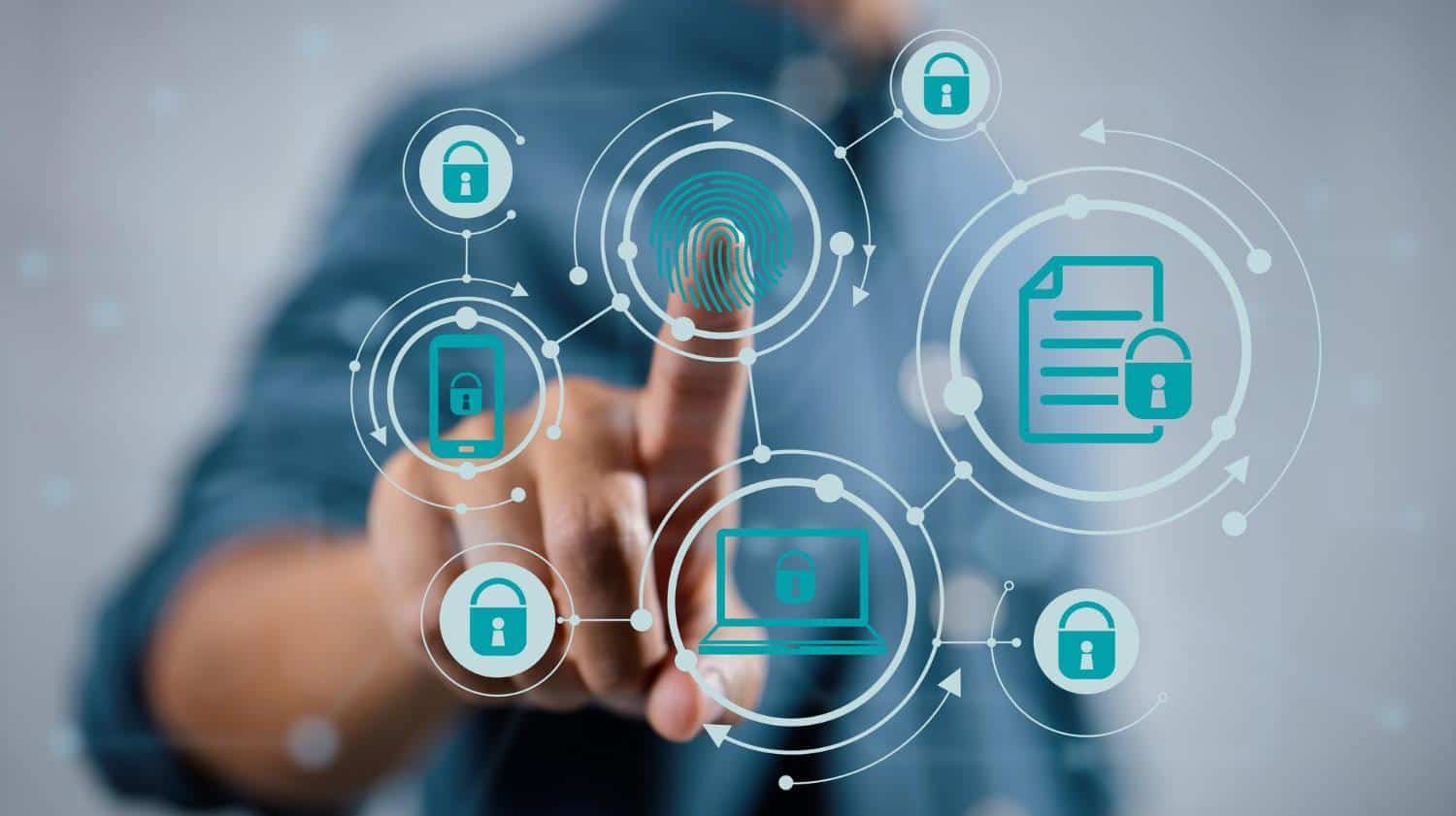
The Growing Need for Remote Access in Healthcare and Research
Remote access has become deeply integrated into modern healthcare and scientific operations. Telemedicine, virtual consultations, and remote monitoring are now common practices, especially in regions with limited physical access to specialists. Similarly, research teams frequently collaborate across cities or countries, requiring seamless access to shared systems and data.
This increased reliance on remote access also expands the attack surface for cybercriminals. Traditional methods that rely on outdated tools or weak security configurations can no longer keep up with modern threats. Healthcare data is particularly valuable on the black market, making hospitals and research centers attractive targets. As a result, organizations must adopt more secure and controlled ways to enable remote work without sacrificing safety.
Key Security Challenges to Address
One of the biggest challenges faced by healthcare and research institutions is regulatory compliance. Laws and standards governing data protection require strict safeguards around access, storage, and monitoring of sensitive information. Organizations must be able to demonstrate that only authorized users can access specific systems and that all activity is properly logged.
Access control is another critical concern. Not every staff member needs the same level of access, yet overly broad permissions are common in many environments. This increases the risk of accidental data exposure or misuse. In addition, cyber threats such as phishing attacks, stolen credentials, and malware often target remote access points, exploiting weak authentication or unmonitored sessions.
How Secure Remote Access Platforms Mitigate Risks
Modern secure remote access platforms are designed to address these risks in a practical and efficient way. Instead of opening up entire networks, they allow organizations to provide access only to specific applications or desktops. This approach significantly reduces exposure and limits what attackers can reach even if credentials are compromised.
Strong authentication methods, including multi-factor authentication, help verify user identities before access is granted. Centralized management tools allow IT teams to define detailed access rules, monitor sessions in real time, and quickly respond to suspicious activity. Detailed logging and session tracking also support compliance efforts by providing clear records of who accessed what and when.
Supporting Operational Efficiency and Continuity
Security alone is not enough; healthcare and research organizations also need solutions that support productivity. Secure remote access enables professionals to reach critical systems without complex connection processes or technical barriers. This ease of use is particularly important in healthcare settings, where time-sensitive decisions can directly impact patient outcomes.
Remote access also supports business continuity. In situations where physical access to facilities is limited due to emergencies, maintenance, or external disruptions, staff can continue working remotely without major interruptions. For research institutions, this means projects can move forward without delays, and collaboration can continue regardless of location.
Scalability and Cost-Effectiveness
Scalability is another important factor for healthcare and research environments. Organizations often experience changes in staffing levels, project scope, or access requirements. Secure remote access solutions are designed to adapt to these changes without requiring extensive infrastructure upgrades. New users can be added quickly, and access rights can be adjusted as roles evolve.
From a financial perspective, these solutions can also be cost-effective. By reducing reliance on complex network configurations and minimizing hardware requirements, organizations can lower operational costs. This allows resources to be redirected toward patient care, research development, and innovation rather than ongoing IT overhead.
Best Practices for Implementation
To get the most value from secure remote access, organizations should follow established best practices. This includes performing regular security assessments, defining clear access policies, and ensuring that staff are trained on safe remote working habits. Strong password requirements, multi-factor authentication, and timely software updates should be standard measures.
Choosing a solution that integrates well with existing systems is also important. Flexible deployment options, support for multiple devices, and simple administration can reduce the burden on IT teams while improving the user experience.
Conclusion
As healthcare and research continue to evolve in a digitally connected world, secure remote access is no longer optional. Organizations must protect highly sensitive data, meet strict regulatory requirements, and defend against increasingly sophisticated cyber threats. At the same time, they need to provide reliable and flexible access to authorized professionals. By adopting a well-planned approach to secure remote access, healthcare providers and research institutions can maintain data confidentiality, ensure operational continuity, and support innovation without compromising security.
