


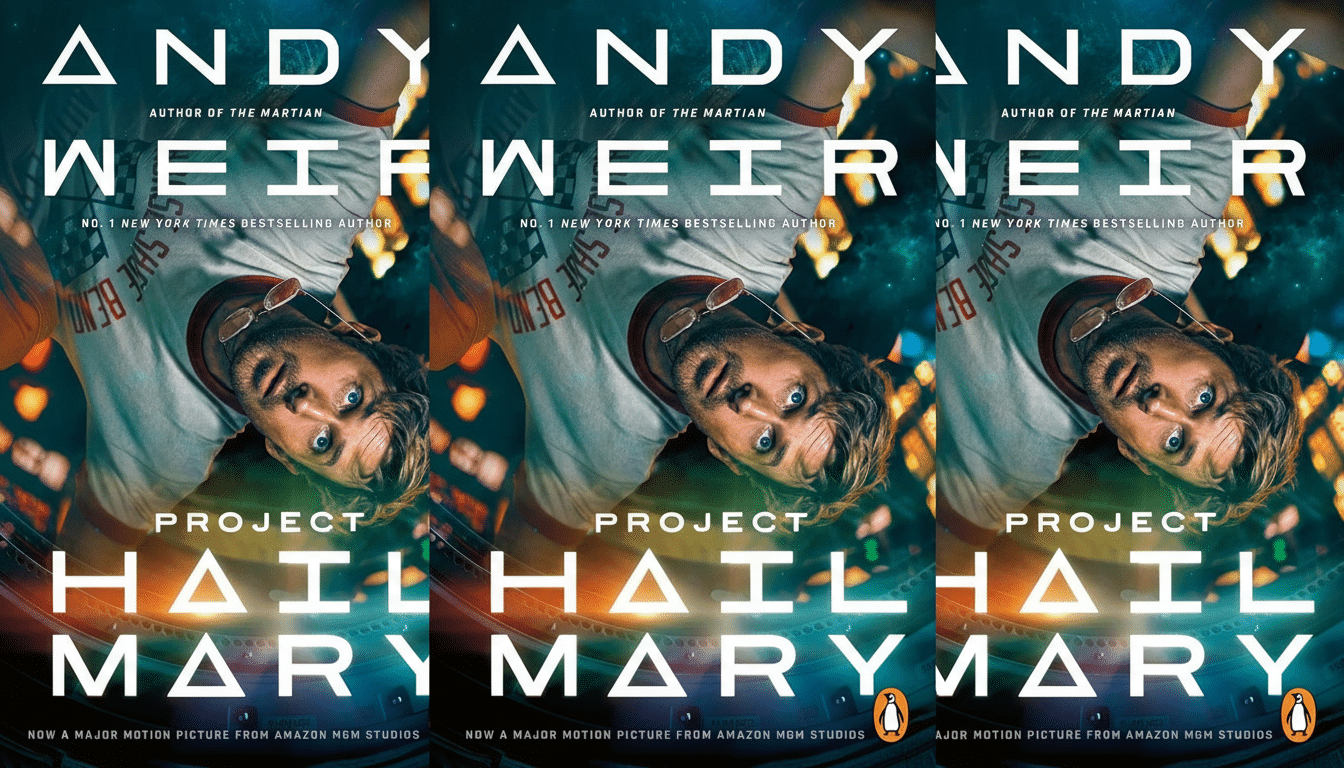
Harry Styles’ stadium-scale ballad didn’t just drift into Project Hail Mary by luck. It arrived because Sandra Hüller wanted to sing it. That surprising piece of creative serendipity turned a pivotal scene into the film’s beating heart—and then rippled outward to the trailer and a splashy awards-season TV moment.
How the Song Landed in the Script and Onto Set
In the adaptation of Andy Weir’s bestseller, directors Phil Lord and Christopher Miller built a rare pause into their high-stakes space thriller: a pre-launch karaoke gathering. According to screenwriter Drew Goddard in recent press conversations, the idea was always about letting audiences see the mission’s architects as people clinging to one last moment of normalcy.
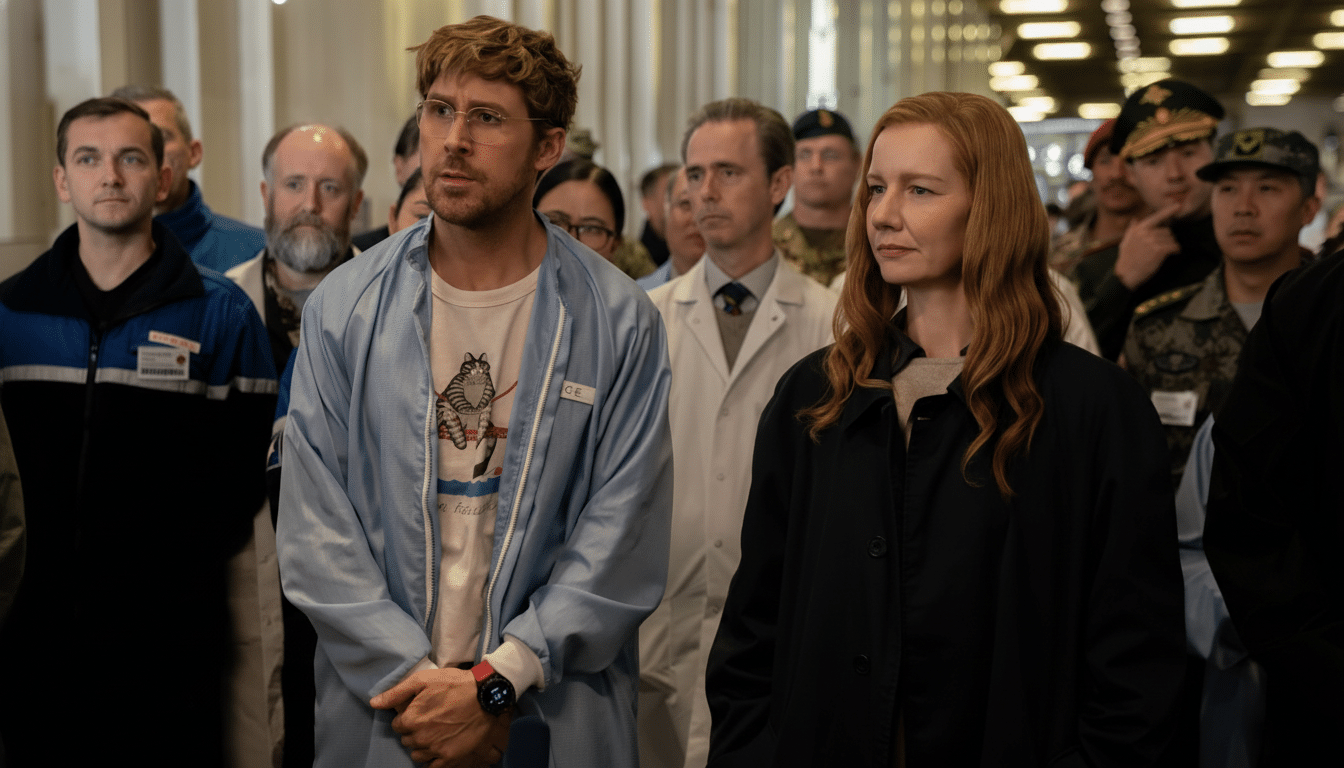
Just days before filming, the team floated a late-breaking notion—what if Hüller, who plays the unflinching project chief Eva Stratt, took the mic? She agreed on one condition: the song had to be Harry Styles’ Sign of the Times. The choice was uncannily on-theme. When your plot hinges on humanity pushing a craft into the void, a lyric about “breaking through the atmosphere” isn’t subtle—it’s surgical.
The decision paid off instantly on set. Hüller’s grounded, almost elegiac delivery reframed a global pop hit as a quiet prayer. Goddard has singled it out as his favorite scene—not because it’s flashy, but because it articulates the film’s moral core: fear acknowledged, hope protected.
Why It Works Dramatically in Project Hail Mary
Sign of the Times is a power ballad built like a launch sequence. It opens spare, climbs patiently, and erupts only after you’ve earned the catharsis. That arc maps neatly onto Project Hail Mary’s structure, which alternates between tactile problem-solving and existential stakes.
There’s also the matter of tone. Pop needle drops in sci-fi can tip into irony; this one resists the wink. Like the best cues—from The Martian’s disco throughline to the aching use of classical themes in space epics—it treats science as a human endeavor, not just a technical one. Styles’ debut solo single, already a cultural touchstone with over a billion streams and chart peaks in both the U.K. and U.S., brings familiarity without deflating the scene’s sincerity.
The Practical Hurdle Syncing a Global Hit
Landing a marquee song isn’t a simple ask. Clearing a sync typically involves two negotiations: the master recording (label) and the composition (publisher). For Sign of the Times, that means conversations with a major-label rights holder and Sony Music Publishing, plus buy-in from the track’s credited writers and producers. When a performer will sing the song on camera—as Hüller does—productions often need additional permissions and on-set music supervision to capture live vocals or approve alternate arrangements.
Studios make these investments because the upside is real. The IFPI has reported sustained, double-digit growth in global synchronization income in recent years, reflecting a boom in film and streaming placements. And when a cue connects, the effect can be seismic: after a high-profile TV placement, Kate Bush’s Running Up That Hill surged more than 9,000% in streams and returned to charts worldwide, per industry tallies from Billboard and other trackers.
From Scene to Trailers to Late Night TV Moments
Once Hüller’s performance locked, the creative team doubled down. The first trailer leaned on Styles’ original recording to frame the film’s emotion, a classic play that unifies marketing and story. Ryan Gosling then carried the momentum to a live TV stage, delivering the song during a widely watched monologue—another signal boost that kept the title, the track, and the film in the same cultural sentence.
This is modern release strategy 101: one potent needle drop, echoed across touchpoints, can do the work of multiple campaigns. Search interest tends to spike; catalog streams climb; the movie inherits the song’s emotional shorthand.
A Sandra Hüller Signature That Feels Inevitable
There’s a final wrinkle that makes the choice feel inevitable in retrospect. Hüller has a history of devastating on-screen singing—her unguarded performance in Toni Erdmann is part of European cinema lore—and she’s become synonymous with unsentimental intensity after awards-haul turns in recent prestige dramas. Asking her Stratt to step into the light for a single song is both character development and a reminder: even the steeliest mission commander is human.
So how did Sign of the Times wind up in Project Hail Mary? Not by studio mandate or algorithmic trendspotting, but through a performer’s instinct. Hüller pointed to a song about staring down catastrophe and choosing grace. The filmmakers cleared the runway. The result is a needle drop that doesn’t just sell a moment—it clarifies what the movie is about.

