


Samsung’s next Galaxy Ultra is poised to get its most meaningful display upgrade in years, and it’s not about more pixels or peak brightness. A new Privacy Display feature, teased by reliable industry sources, promises on-demand screen privacy that works at the pixel level and can selectively shelter sensitive content from prying eyes—without the usual trade-offs that plague physical privacy filters.
What the New Privacy Display Actually Does on Galaxy Ultra
Unlike a blunt “narrow viewing angle” mode, Samsung’s approach targets specific areas of the screen. Think of dimming only the notification shade during a commute, obscuring one-time passcodes at a café, or shielding a spreadsheet cell in a client meeting. Industry analyst Ice Universe has shared a rendering that shows localized privacy zones that fade to black as the viewer shifts off-axis, while the rest of the panel remains fully visible.
- What the New Privacy Display Actually Does on Galaxy Ultra
- How Samsung’s Privacy Display Likely Works at the Pixel Level
- Why On-Demand Screen Privacy on Galaxy Ultra Matters
- What We Still Don’t Know About Samsung’s Privacy Display
- How Samsung’s Approach Compares With Laptop Privacy Tech
- The Bottom Line on Samsung’s Upcoming Privacy Display
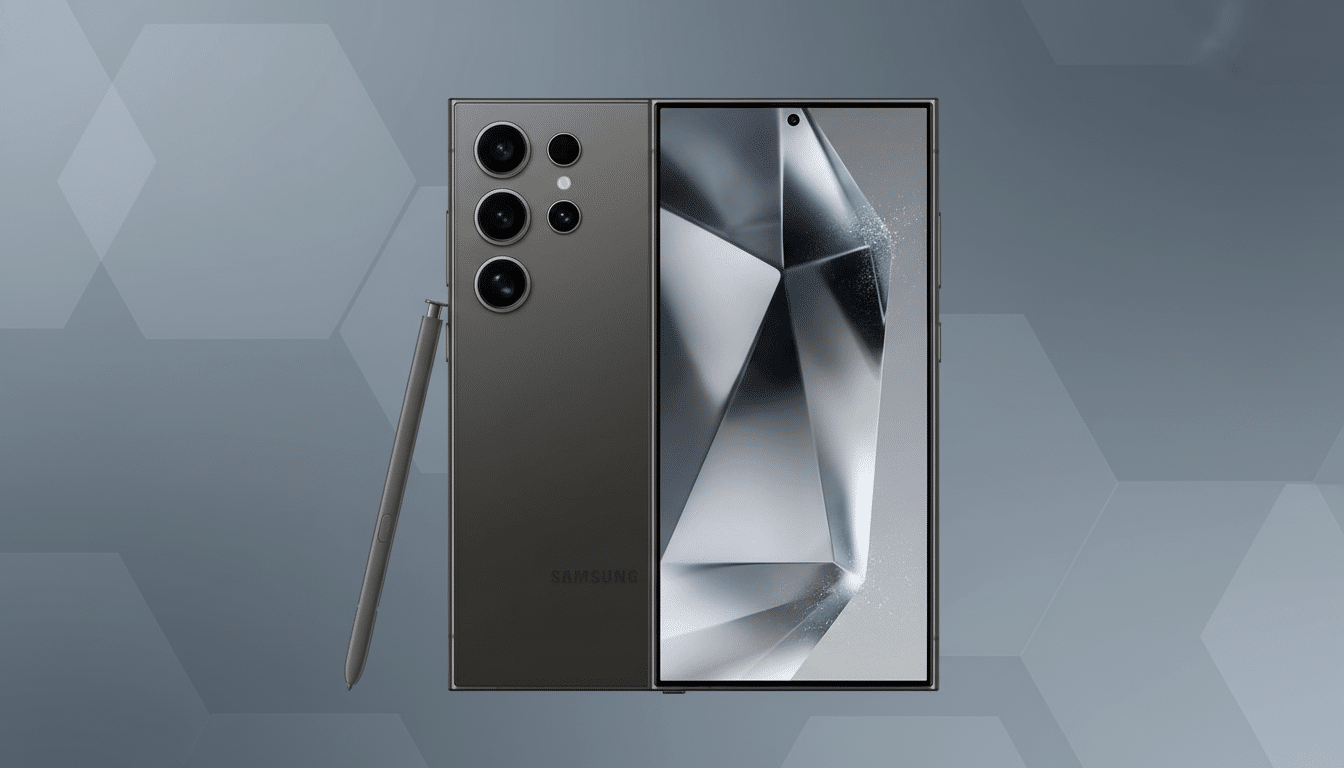
The practical upside is obvious: You don’t have to hide your entire phone behind a dark filter just to protect one card number or email preview. And because the system works at the OLED emission level, image fidelity for the non-private areas remains intact.
How Samsung’s Privacy Display Likely Works at the Pixel Level
OLED pixels are self-emissive, so they can be driven to shape light output very precisely. The Privacy Display appears to steer or suppress off-axis light in regions you select, using pixel-level control to reduce side visibility without globally dimming the panel. As those private zones go effectively black when viewed from an angle, the phone can even save power—black pixels on OLED consume less energy than lit ones.
This method stands in contrast to stick-on privacy films that rely on micro-louvers to narrow the viewing cone. Those films typically rob displays of vibrancy and luminance; 3M, a leading maker of privacy filters, notes that such films can reduce perceived brightness by roughly a third. Samsung’s software-and-panel approach aims to avoid that penalty while adding precision control you can’t get from a static sheet of plastic.
Why On-Demand Screen Privacy on Galaxy Ultra Matters
Shoulder surfing is one of the most common low-tech data leaks. Anyone who rides public transit, works in open offices, or travels frequently knows the uneasy feeling of tapping in a 2FA code with strangers nearby. Regulators and security teams have warned about these scenarios for years, but the remedies—adhesive filters, clunky flip cases, hide-your-screen behavior—have been compromises at best.
By building privacy into the display pipeline and into the OS, Samsung can make it effortless. Expect tight ties with Samsung Knox so IT can enforce policies on corporate phones (for example, privacy on for email, finance, or MDM-tagged apps). For consumers, quick toggles or automation could switch zones on in places like airports or trains. This is the kind of security feature that people will actually use because it adapts to the situation instead of getting in the way.
What We Still Don’t Know About Samsung’s Privacy Display
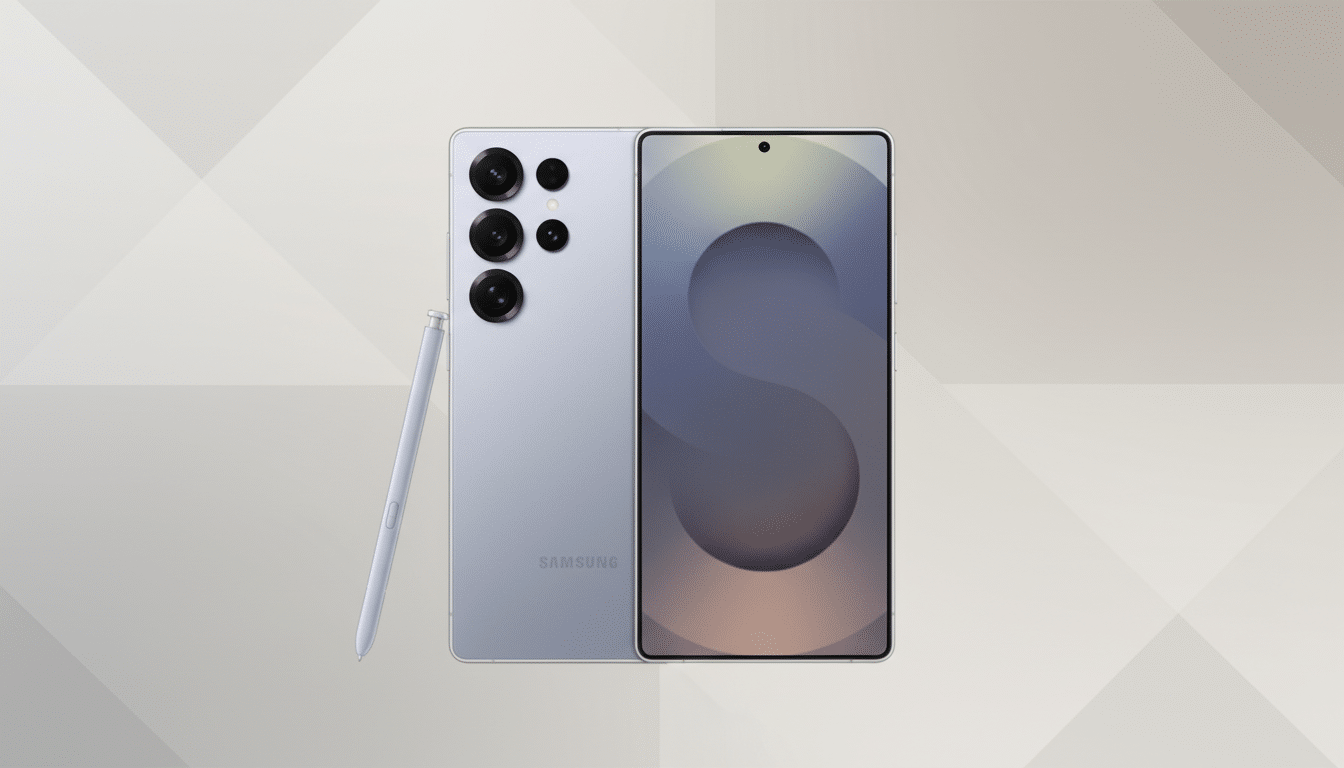
Samsung hasn’t officially named the feature or detailed availability. Based on the teasers and supply chain chatter, the Galaxy Ultra variant is the most likely launchpad, with a broader rollout dependent on panel support. It’s also unclear how granular the controls will be—per-app privacy zones, templates for keyboards and notification banners, or system-level rules tied to context and location.
Another open question is how far Samsung will let users push the effect. Maximum privacy could make side-by-side media viewing less pleasant, so smart defaults and easy access to disable will be essential. Ideally, the feature becomes as quick to toggle as rotation lock or Eye Comfort Shield.
How Samsung’s Approach Compares With Laptop Privacy Tech
Laptops have offered integrated privacy tech for years—HP’s Sure View and Lenovo’s PrivacyGuard can electronically narrow viewing angles—yet smartphones have stuck to third-party films. If Samsung brings localized privacy zones to a mainstream phone, it would be a first among major handset makers. Apple’s iPhone and Google’s Pixel don’t offer comparable built-in viewing-angle privacy today.
The move also aligns with a broader industry trend: making hardware-level security usable. Secure enclaves, passkeys, and on-device AI already protect data at rest and in use. Visual privacy has been the missing link. Delivering it through the display itself is a tidy, platform-level answer that pairs well with enterprise mobile management and everyday convenience.
The Bottom Line on Samsung’s Upcoming Privacy Display
If the teaser pans out, Samsung’s next Galaxy Ultra won’t just look better—it will look smarter. A Privacy Display that selectively shields what matters could be the most consequential screen upgrade the line has seen in years, precisely because it solves a real problem without saddling users with new ones. That’s not just clever engineering; it’s good security design.
