


One of Samsung’s premier gaming monitors just fell to an all-time low. The price of the 27-inch Samsung Odyssey G8 has dropped to $834.99 from $1,299.99, a discount of 36 percent and the lowest price we’ve seen on Amazon so far. That’s $465 off a top-of-the-line panel made for competitive speed and cinematic contrast.
This deal sits on a model purpose-built for high frame rate PC play: boasting 240Hz refresh rates and a (ultra-fast) 0.03ms gray-to-gray response time. It’s the kind of spec sheet that truly cuts down motion blur, reduces input latency, and keeps fast action feeling immediate.
- Why the Samsung Odyssey G8 Deal Stands Out Today
- The Performance Specs That Matter for Fast Gaming
- Gaming in Real-World and Everyday Use Cases
- How the Samsung Odyssey G8 Compares with Key Rivals
- Who Should Get This Monitor for Gaming and Productivity
- Bottom Line: Why This Samsung Odyssey G8 Deal Is Compelling
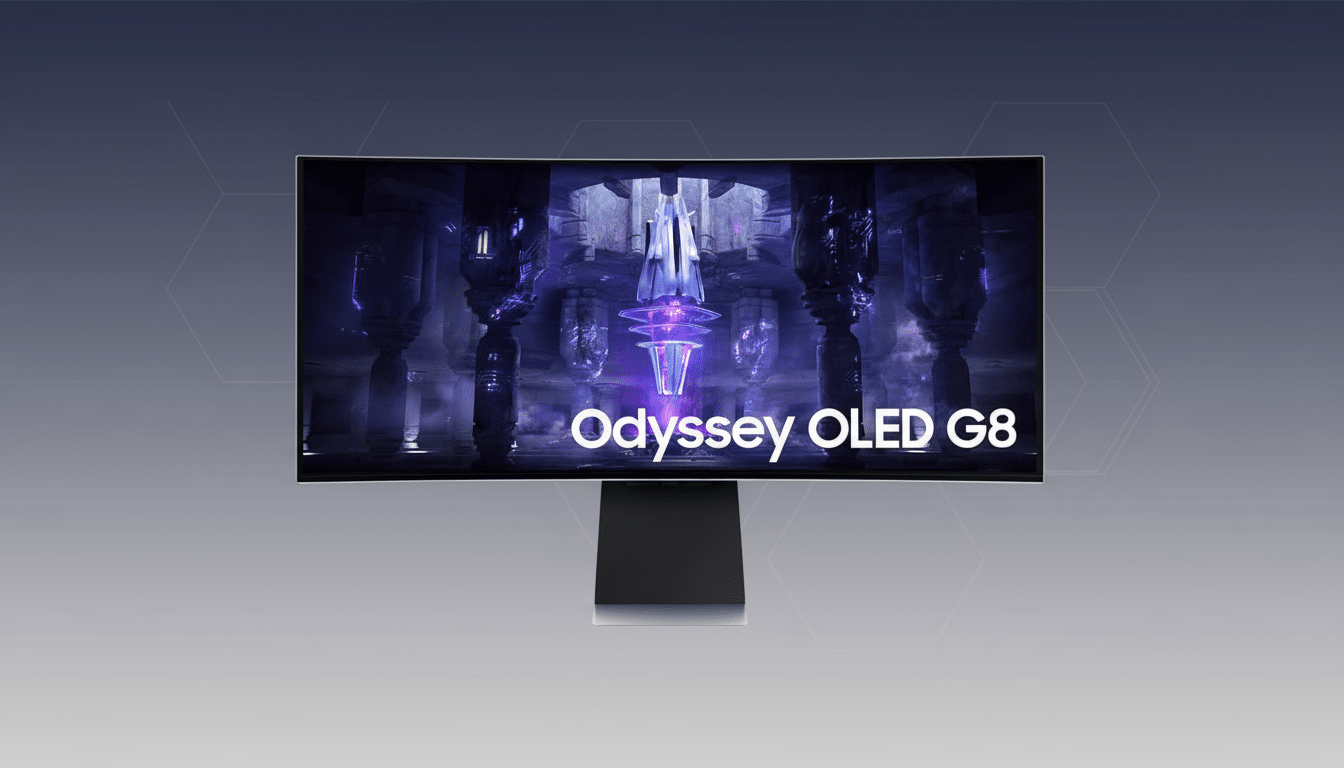
Why the Samsung Odyssey G8 Deal Stands Out Today
What sets the Odyssey G8 apart is speed without the typical OLED trade-offs. Samsung gives this series a glare-free screen, so you enjoy inky blacks and punchy highlights with no mirror-like distractions. That counts in real rooms with windows and overhead lighting, not just lab-perfect setups.
Samsung also has an active cooling system that dissipates heat a lot quicker than the graphite-only efforts, and is designed to keep burn-in from developing during long static HUD (head-up display) sessions. This is to supplement the standard OLED protections that include pixel shift and a screen saver for worry-free everyday use.
At 27 inches, the G8 really is right on that sweet spot of desktop setups where your viewing distance happens to be closest to two feet. It does so without forcing you to crane your neck in the middle of a competitive shooter or lose display data around the edge.
The Performance Specs That Matter for Fast Gaming
240Hz refresh rate equates to a 4.17ms frame window, which is a clear step up from 144Hz (6.94ms). Paired with a 0.03ms pixel response, the panel can keep pace with fast camera pans as well as those quick, tiny flick shots in games such as Valorant, Counter-Strike 2, and Apex Legends.
Support for variable refresh rate is there to keep tearing at bay when your frame rates jump around, and the G8 specifically plays nice with modern GPUs from both AMD and Nvidia. Esports games might just be manageable with your midrange graphics card, to hit triple-digit frame rates that help 240Hz sing; single-player blockbusters stay steady as you prioritize visual fidelity.
Testing in the industry is consistent, demonstrating the effect that high refresh displays can have on responsiveness. Both Nvidia’s latency research and independent third-party analysis from Blur Busters, for example, indicate that going from a 60Hz display to a 240Hz can shave end-to-end system latency by dozens of milliseconds—and that difference is the split-second gap between landing that flick headshot or missing it.
Gaming in Real-World and Everyday Use Cases
Head-to-head, in competitive play, the G8’s motion clarity and near-instantaneous pixel response make it very easy to track strafing targets with minimal overshoot.
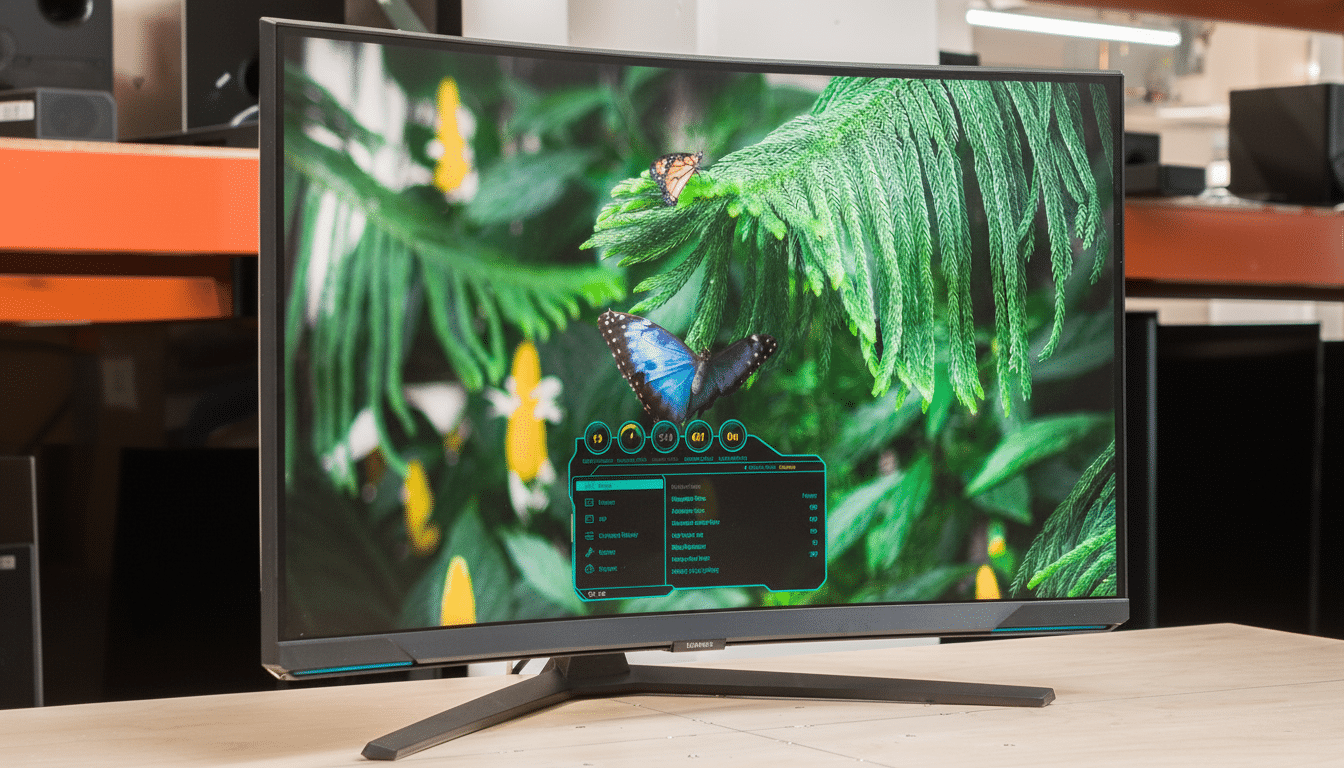
In darker, narrative-driven games, OLED gives an immaculate night scene that is true to darkness (instead of being plagued with gray, cloud-fogged shadows) and all the shadow detail and contrast that LCDs can’t.
The anti-glare treatment is worth mentioning for work, too. Text is sharp and readable under normal office conditions, and the high refresh rate ensures that there isn’t much on-screen juddering or eye strain during extended browsing or editing sessions. If you segment your desk between where you get productivity done and where you play, it’s a natural fit.
How the Samsung Odyssey G8 Compares with Key Rivals
LG’s and Asus’ 27-inch OLED gaming monitors are priced closer to $899-$999 when not on sale. The G8’s $834.99 sale price is more affordable than many of those, yet it delivers a similar mix of speed, contrast, and reflection suppression. Review sites like Rtings and Tom’s Hardware that are known for their lab testing have also pointed out OLED’s instantaneous response and near-infinite contrast as the key advantages to IPS and VA panels time and time again.
In this case, it’s Samsung’s thermal design and the glare-free layer that are the differences. If you’re set up in a bright room, or if you run very long sessions with static UI elements, these touches really matter. As always, refer to regional warranty terms regarding burn-in coverage; policies differ and manufacturers have been adding protections as OLED monitors become adopted by the mainstream.
Who Should Get This Monitor for Gaming and Productivity
PC gamers who care most about ultra-responsiveness will benefit the most from 240Hz, particularly in shooters and MOBAs. Those who create, multitask, and love pixel-precise blacks and mind-blowing color should appreciate the panel’s contrasty properties for media work (granted, static elements need to be managed with some thought, like auto-hide your taskbars, turn on pixel shift, and blackout screen savers during breaks).
Console gamers get the low-latency panel and 120Hz support, but this monitor really pops when you can push very high frame rates via a PC. If you have a new graphics card and are short on space, this becomes quite the compelling upgrade.
Bottom Line: Why This Samsung Odyssey G8 Deal Is Compelling
The Samsung Odyssey G8 27″ falling to $834.99 is the rare, best-in-class discount that inspires anyone whose display is of a similar class to finally upgrade. At 36% off an all-time low at Amazon, you’re getting elite speed here, OLED levels of contrast, and some clever burn-in safeguards for a whole lot less than list. If a high-end gaming monitor is on your shortlist, this is the time to act.
