


Ryan Gosling didn’t just star in Project Hail Mary — he helped create one of its most memorable moments on the fly. In a pivotal first-contact sequence with the alien Rocky, Gosling improvised a string of gestures that turned a tense standoff into a joyous breakthrough, according to directors Phil Lord and Chris Miller. The result is a scene that feels alive, surprising, and disarmingly human, even with a silicone-and-carbon-fiber co-star.
How a Spontaneous Dance Won the Key Scene
The encounter unfolds in a narrow conduit between two spacecraft, where biologist Ryland Grace (Gosling) meets Rocky for the first time. The characters test trust through mimicry — small, nonthreatening movements that escalate into an awkwardly charming dance. Lord and Miller fed Gosling real-time prompts through an in-ear receiver, encouraging him to try playful motions. He mixed those suggestions with his own instincts, building a silent dialogue that the creature team had to mirror in lockstep.
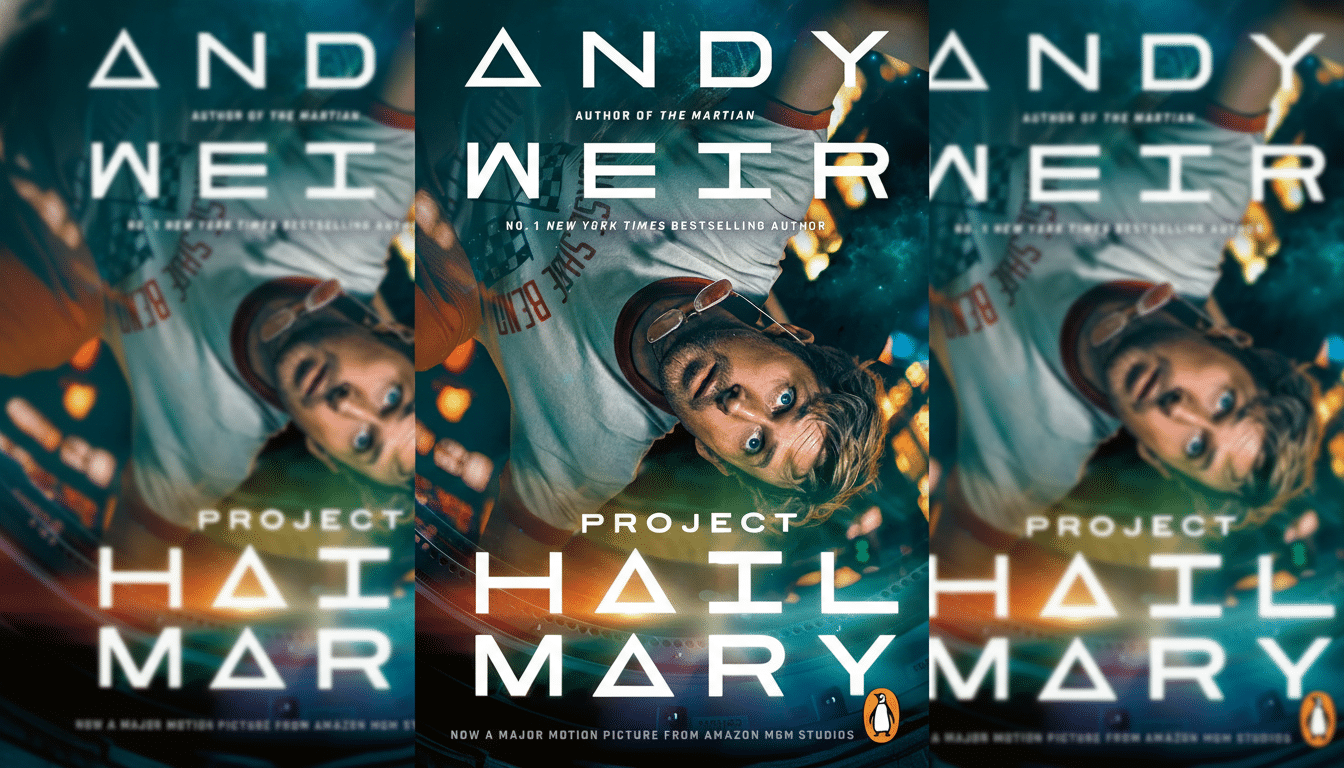
That real-time give-and-take is what sells the scene. Gosling’s curiosity, hesitation, and delight read as genuine because he’s reacting to a responsive partner, not a marker on a green screen. You can feel him discovering the rhythm of the exchange as the puppet answers back — a rare magic trick in modern sci-fi where spontaneity is often ironed out by previsualization.
Puppetry and VFX Were Built to Support Improv
Rocky is voiced by James Ortiz, who also led the creature’s puppeteering team. The production designed the Eridian as a hybrid: a practical puppet for tactile presence and eyelines, augmented later with digital refinements. That foundation let the filmmakers embrace unpredictability without sacrificing polish. When Gosling invented a movement, Ortiz and crew translated it into Rocky’s anatomy in real time — a live, call-and-response performance that visual effects could enhance rather than replace.
Industry veterans have long argued that practical elements unlock better performances. Werner Herzog famously implored The Mandalorian team to keep the Grogu puppet in play, emphasizing how actors respond to something they can touch. Project Hail Mary leans into that philosophy. By letting a physical Rocky “answer” Gosling on set, the film gives the audience micro-reactions — shifts in posture, tentacle tilts, tiny timing changes — that are hard to fake later.
Inside the On-Set Method That Guided Filming
Lord and Miller, known for controlled chaos on productions like The Lego Movie and 21 Jump Street, used an IFB-style earwig to feed Gosling prompts while cameras rolled. The direction swung from simple pacifying motions to deliberately silly bits meant to test Rocky’s capacity to mirror human behavior. The puppet team had one mandate: whatever Gosling does, echo it convincingly within Rocky’s physical logic.
Another improv-friendly beat happens when Grace tries to share a measuring tape to compare numeric systems, an idea lifted from Andy Weir’s novel. On set, the filmmakers placed a real tape in Rocky’s hands and told the operators to ignore the “math lesson.” Instead, Rocky toys with it like a distracted pet, which prompts an unfiltered, amused reaction from Gosling. That unscripted playfulness conveys more about their budding friendship than a tidy exposition exchange ever could.
Why It Works So Well for First Contact Moments
First-contact stories live or die on believability. The science can be meticulous, but the emotion must feel accidental — the way trust grows in fits and starts. Project Hail Mary keeps the science-minded bones of Weir’s book (problem-solving, measurement, signal decoding) and layers in the messiness of human connection. Improvisation makes that bridge visible: Grace tries, fails, fumbles, and laughs, and Rocky answers with his own alien approximations. It’s behavior, not exposition, that earns the friendship.
There’s also a strategic production upside. Improv-driven coverage captures multiple flavors of a moment, which editorial can calibrate for tone. Lord and Miller’s approach yields options — comic, curious, or quietly profound — that still cut together because the puppet’s responses are anchored in shared timing, not stitched from different days of VFX passes.
The On-Screen Payoff That Audiences Will Notice
The finished sequence carries a crackle that’s hard to reverse-engineer. Gosling’s face — wariness melting into delight — isn’t only acting; it’s him clocking the puppet’s surprising moves and leaning into them. That authenticity radiates into the rest of the film, where Grace and Rocky’s unlikely bond becomes the emotional battery powering the story’s high-concept stakes.
It’s a reminder that even in an era of exhaustive previs and post, some of the most enduring sci-fi moments happen when filmmakers risk a little chaos. Give an actor a living partner, whisper a few prompts in his ear, and let the scene breathe. In Project Hail Mary, that gamble pays off with a first-contact beat that feels freshly discovered rather than carefully manufactured — the exact spark audiences come to the theater to see.

