


A humanoid robot turned heads at the White House, escorting First Lady Melania Trump through the East Wing during a high-profile technology and education gathering, a tableau that signaled how artificial intelligence is stepping from lab floors into the rituals of official Washington.
The audience included spouses of world leaders alongside technology executives attending an AI-focused education summit under the Fostering the Future Together banner. While the program centered on public–private partnerships, the robot’s public-facing role as both greeter and guide quickly became the day’s defining image.
Inside the White House Robot Demonstration
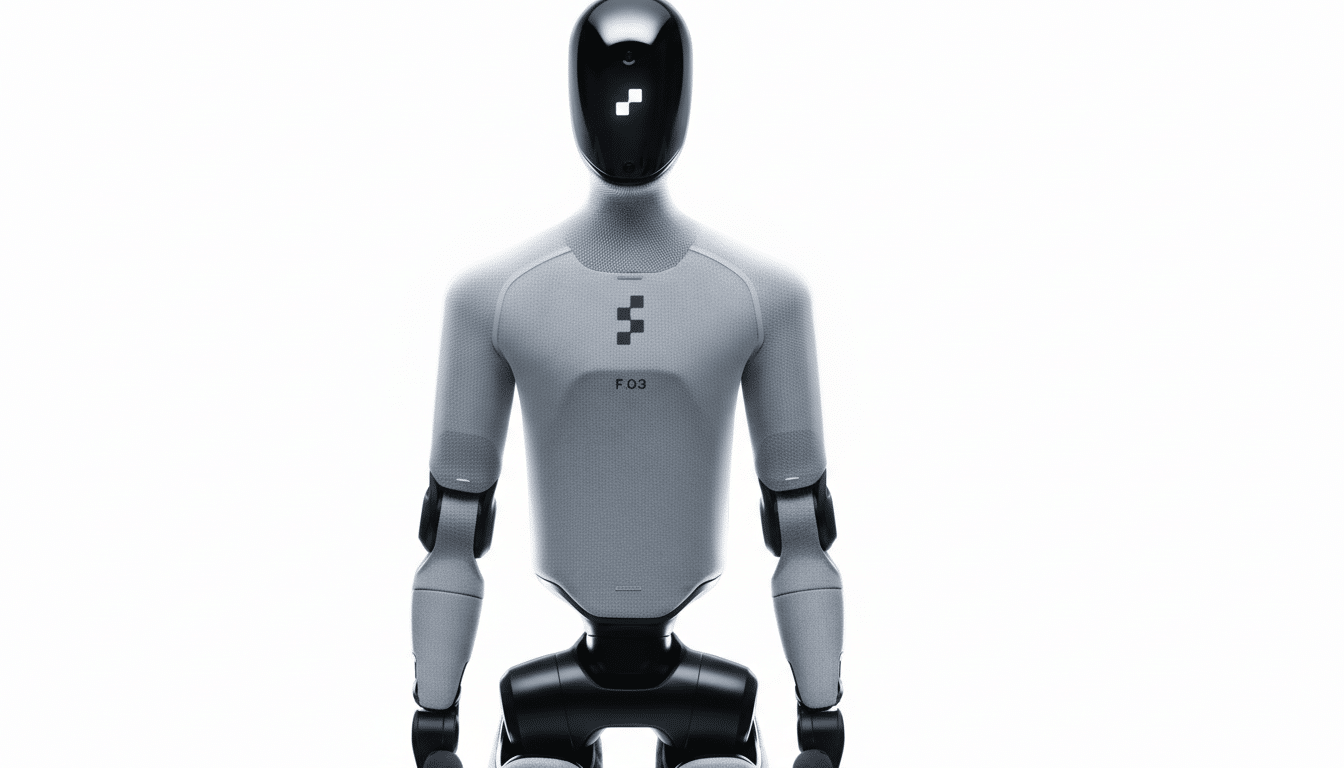
The American-made humanoid, known as Figure 3, addressed guests and navigated the carpeted corridor at the First Lady’s side with steady gait and deliberate pacing. According to reporting by CNN, the robot opened with greetings in 11 languages before delivering brief remarks in a youthful, conversational voice, underscoring how naturalistic speech is becoming a design priority for social robots.
Beyond spectacle, the choreography mattered: allowing a bipedal machine to move in close proximity to a principal within a complex, crowded venue reflects confidence in its sensors, control software, and human–robot interaction protocols. For robotics engineers, simply avoiding a stumble in such a setting is a milestone.
Meet Figure 3, the humanoid showcased at the event
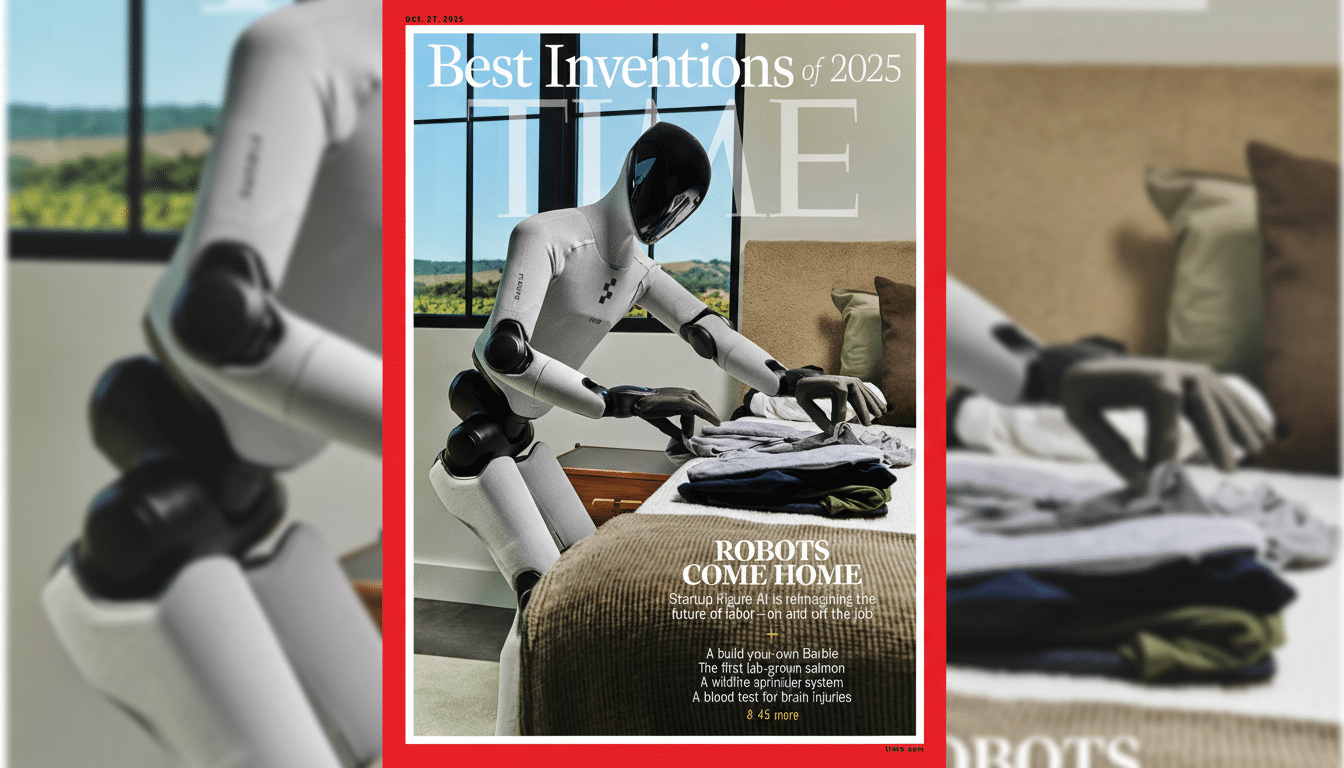
Figure 3 is built by Figure, a U.S. robotics company developing general-purpose humanoids aimed at real-world utility. The platform has been showcased completing household-style tasks—folding towels, loading a dishwasher, picking up scattered items—steps toward the long-sought goal of a versatile helper that can operate in human environments. TIME named Figure 3 among its best inventions of 2025, citing progress in dexterity and autonomy.
Figure previously announced a collaboration with OpenAI to advance robot learning, an arrangement that has since ended. The company has positioned its current work as focused on scalable manipulation and safe deployment, priorities that align with the demands of public demonstrations.
Why a robot escort at the White House matters
Getting a human-shaped machine to walk confidently through dynamic spaces is notoriously hard. Researchers at institutions like Carnegie Mellon’s Robotics Institute note that robust locomotion and reliable manipulation in unstructured environments remain two of the field’s toughest challenges. A clean, incident-free appearance in a high-stakes venue suggests advances in balance control, perception, and failure recovery.
It also hints at a shift in where humanoids show up. After years of pilots in warehouses and labs, the White House cameo puts a social, ceremonial task on display—soft-power protocol rather than pallet moving—testing how the public responds when robots share literal red carpets with dignitaries.
Education and safety questions for humanoid robots
The summit linked global leaders and tech partners in support of initiatives tied to the First Lady’s Be Best effort, with a stated goal of using advanced technology to support children, educators, and families while reducing online harms. From the podium, Melania Trump cast humanoids as the next interface for AI in learning, arguing that capability will migrate from screens into helpful, human-shaped assistants.
Education experts will look for evidence. UNESCO’s guidance on generative AI in schools emphasizes human oversight, age-appropriate safeguards, and transparency about AI involvement. NIST’s AI Risk Management Framework underscores governance, robustness, and accountability. Applying those principles to humanoids adds layers of physical safety—collision avoidance, graceful shutdowns, and accessibility features—alongside data privacy and content moderation for the robot’s speech and sensing.
The bigger industry arc for humanoid and service robots
The White House moment lands amid steady robotics adoption. The International Federation of Robotics reports that global industrial robot installations surpassed half a million units in 2022, a record high, while service robots continue expanding into logistics, retail, and hospitality. SoftBank’s Pepper has long served as a greeter in banks and museums; Boston Dynamics’ Spot inspects sites and supports public safety teams. A humanoid escorting a First Lady extends that visibility into civic life.
Early public pilots have produced mixed results. Reliability, clear value, and inclusive design tend to drive acceptance, while awkward interactions or downtime quickly erode trust. In schools, stakeholders will expect rigorous studies showing that AI-enhanced instruction improves outcomes, not just attention.
What to watch next as humanoid robots enter public life
Standards and guardrails will shape what follows. Procurement guidance for humanoids at public events, accessibility requirements for voice and mobility interfaces, and policies for handling sensor and voice data are likely discussion points. Organizations like IEEE have proposed ethics frameworks for autonomous systems that could inform government use.
For now, Figure 3’s stately walk beside Melania Trump functions as both theater and test case—an eye-catching proof of concept that invites harder questions about safety, equity, and learning impact before robots take up regular spots on school rosters or official guest lists.

