


Liquid containers are widely used across pharmaceutical, food, cosmetic, and chemical industries. From injectable drugs to beverages and cleaning solutions, the integrity of liquid packaging plays a critical role in product safety, shelf life, and regulatory compliance. Even small leaks can lead to contamination, product loss, or customer dissatisfaction, making quality control a fundamental part of the manufacturing process.
To address these risks, manufacturers rely on structured quality control systems and specialized testing technologies. Industry-focused solution providers such as SEAL-CHECK support manufacturers by developing leak detection solutions designed specifically for liquid containers, helping ensure consistent packaging integrity throughout production.
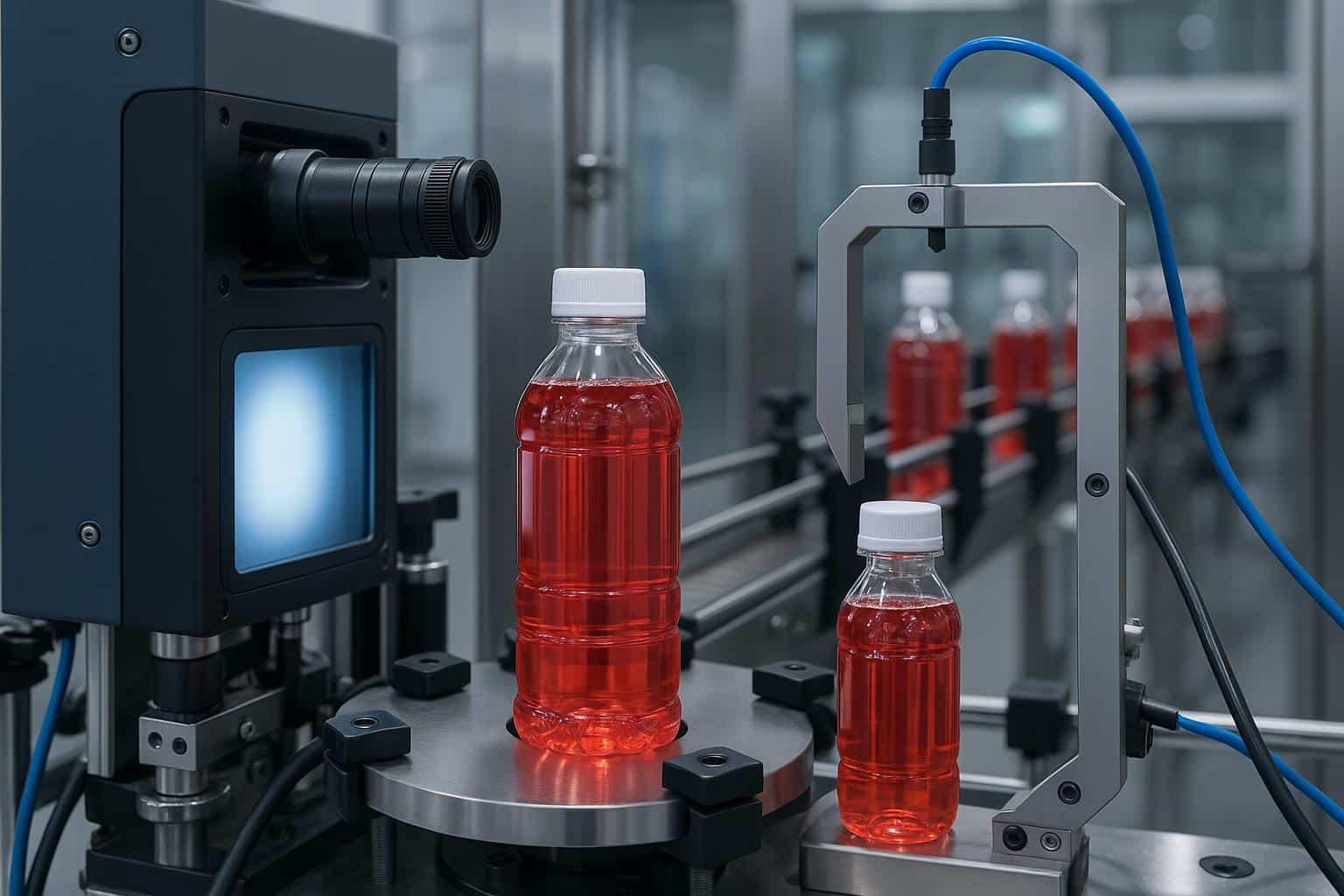
Why quality control is essential for liquid packaging
Unlike solid products, liquids immediately reveal packaging failures through leakage, evaporation, or contamination. A compromised container not only affects the individual unit but can also damage secondary packaging, disrupt logistics, and create safety hazards during transport and storage.
Regulatory authorities increasingly require documented proof that packaging systems can reliably maintain integrity. As a result, quality control methods for liquid containers must be both effective and repeatable, providing measurable assurance rather than relying solely on visual inspection.
Common causes of leakage in liquid containers
Leakage in liquid containers can originate at multiple stages of the production process. Sealing defects are among the most frequent causes, especially when heat sealing, capping, or welding parameters are not properly controlled. Inconsistent materials, such as variations in plastic thickness or glass quality, further increase the risk.
Filling-related issues also contribute to leakage. Overfilled containers may develop internal pressure, while underfilled ones can compromise seal formation. In addition, mechanical stress during handling, transportation, or palletization can create microleaks that are not immediately visible but worsen over time.
Core quality control methods used by manufacturers
To minimize leakage risks, manufacturers implement a combination of preventive controls and inspection techniques. These methods are designed to detect defects early and ensure consistent performance across production batches.
Common quality control approaches include:
- monitoring and validation of sealing and capping processes
- material inspection for containers and closures
- controlled filling volume verification
- integrity testing to identify leaks not visible to the human eye
Among these, integrity testing is especially important for liquid products, as even microscopic leaks can lead to gradual product loss or contamination.
The role of leak detection equipment
Advanced leak detection equipment has become a standard component of modern quality control systems. A bubble leak testing machine allows manufacturers to evaluate container integrity under controlled conditions, identifying leaks that visual checks or manual handling cannot reliably detect.
Such equipment is particularly valuable for liquid containers used in regulated industries, where consistency, traceability, and documented results are essential. Leak testing machines help reduce waste, prevent recalls, and support compliance with international quality standards.
Automation and consistency in quality control
As production volumes increase, manual inspection alone becomes insufficient. Automated testing systems provide higher repeatability and reduce the influence of human error. They also enable manufacturers to collect data that can be used to optimize processes and identify recurring issues.
Companies like SEAL-CHECK focus on developing solutions that integrate seamlessly into quality workflows, ensuring that leak detection supports production efficiency rather than slowing it down. Automation allows quality control to scale alongside manufacturing output without compromising reliability.
Building reliable quality control for liquid containers
Effective quality control for liquid containers requires more than a single inspection step. It is a structured process that combines material selection, controlled production parameters, and reliable leak detection methods. By implementing proven testing technologies and maintaining consistent standards, manufacturers can significantly reduce leakage risks and protect product integrity.
In industries where safety, compliance, and brand reputation are closely linked to packaging quality, investing in robust quality control methods is not optional—it is a foundational requirement for long-term success.
