


At the exact moment I needed my digital tools to carry me, they dropped me. I leaned on a carefully curated stack of productivity apps to juggle deadlines, health setbacks, and a heavier household load — and still ended up overwhelmed, behind, and oddly more forgetful. My experience isn’t an outlier; it exposes a deeper mismatch between the way these apps are designed and the messy, high-pressure reality many of us live in.
Chronic migraines, ADHD, and fibromyalgia turned routine days into obstacle courses. Budget cuts meant fewer conveniences and more chores. Work responsibilities multiplied across different platforms. The more my life demanded clear systems and gentle support, the more my tools piled on friction, notifications, and cognitive noise.
Systems Buckled Under Real-World Pressure
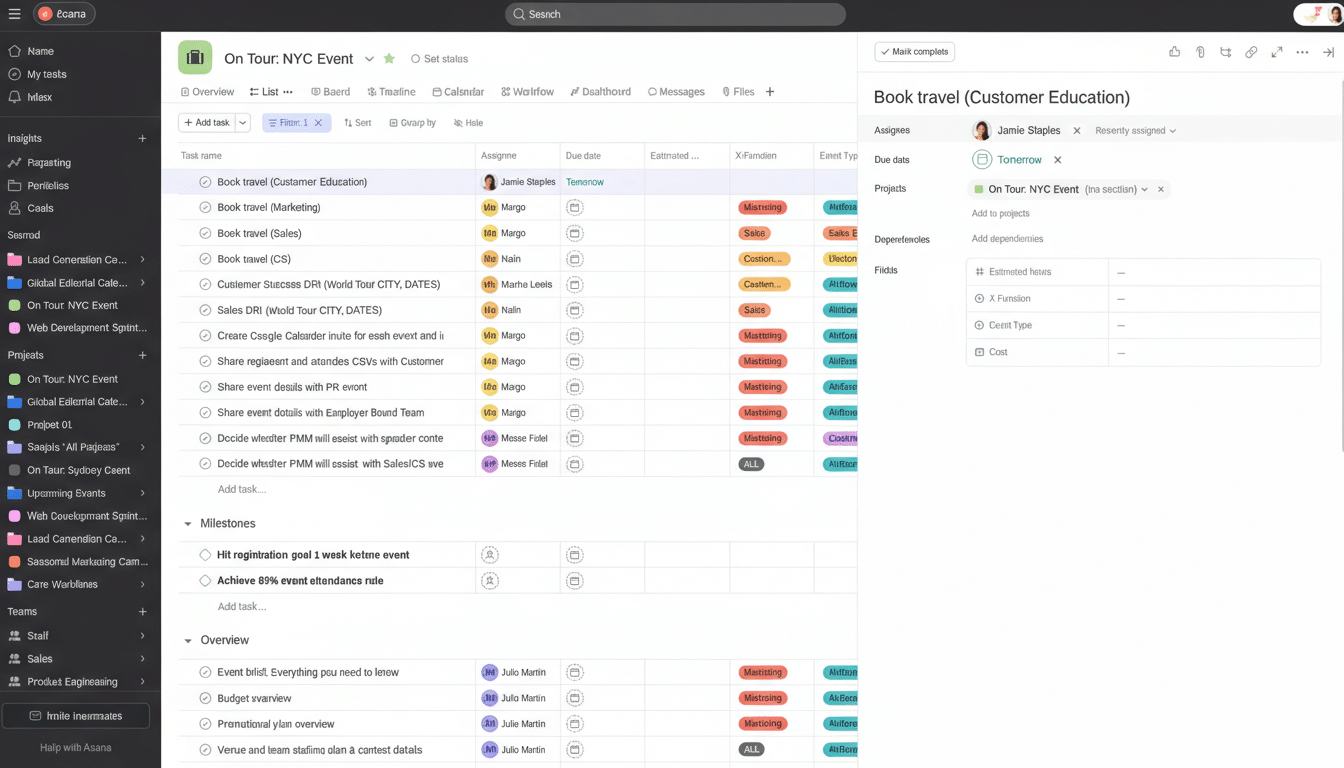
My long-standing toolkit — TickTick, Asana, Google Keep, and Google Calendar — began to collapse under strain. Daily digests turned into walls of overdue alarms, email summaries buried what was actually urgent, and simplistic note categorization made finding the right checklist harder than doing the task itself. I started avoiding the very apps meant to help.
This pattern tracks with broader research. Asana’s Anatomy of Work reports have repeatedly found that knowledge workers spend the majority of their time on “work about work,” with app switching and notification churn sabotaging focus. Microsoft’s Work Trend Index has similarly warned of mounting “digital debt” that leaves most people struggling to find time for actual deep work. In short, more tooling often means more triage, not more output.
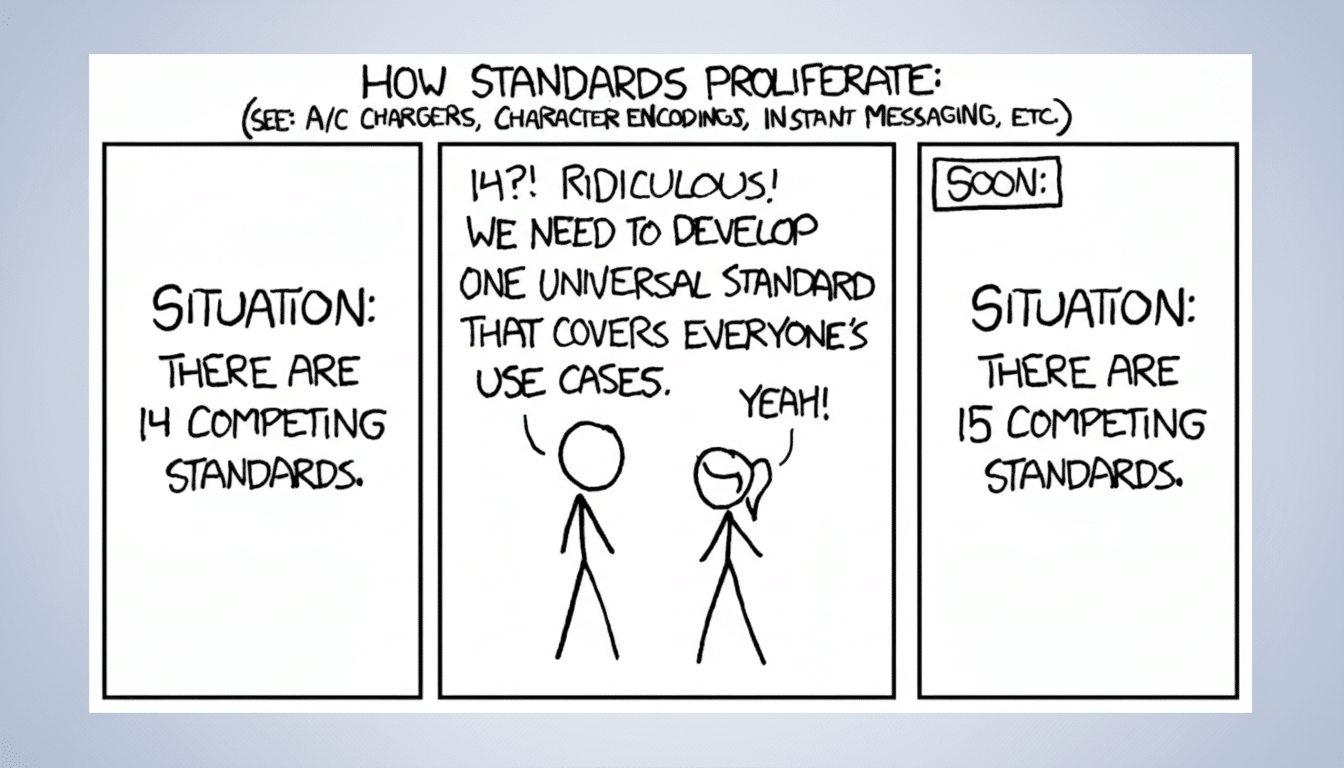
Hoping for relief, I auditioned new contenders. Notion promised infinite flexibility, but the learning curve and mobile/offline friction turned setup into a part-time job. Obsidian’s power relies on community plugins — which also means abandoned features and sync headaches. Todoist hid useful options behind layers of settings. Amplenote’s workflow felt too rigid. The net effect was feature glut masquerading as productivity.
The Neurodiversity Pitch Largely Misses Reality
Once algorithms clocked my ADHD searches and Reddit history, my feeds filled with “ADHD-friendly” planners and routines. Many mainstream apps now highlight ADHD guides, yet the underlying design still assumes neurotypical time perception, energy patterns, and attention regulation. Labels shifted; the experience didn’t.
Take the default advice: rigid schedules and Pomodoro timers. For people who rely on hyperfocus, forced breaks can shatter momentum. Research from UC Irvine’s Gloria Mark shows frequent interruptions spike stress and error rates while extending recovery time after context switches. For ADHD and autism, switching costs are even higher, and time blindness makes strict blocks unrealistic.
Gamified streaks and relentless nudges also backfire. They may bump short-term engagement, but they can amplify shame and avoidance. Work by psychologists like Fuschia Sirois links self-compassion to lower procrastination, suggesting that kinder systems outperform carrot-and-stick tactics over the long haul.
Feature Glut AI Hype And Freemium Friction
AI task helpers sounded perfect until they weren’t. An app like Neurolist would explode a simple assignment — “write an article” — into a dozen micro-steps. Editing the AI’s list became a new task on its own, feeding the very overwhelm I was trying to escape.
Freemium traps added insult to injury. Intake quizzes, forced notification permissions, then surprise paywalls sap trust and energy. Consumer research firms such as Deloitte have flagged rising subscription fatigue, and health-adjacent apps that promise to “make you a better person” risk pathologizing users instead of supporting them.
Even beloved power tools stumble in the details. Notion’s offline support arrived later than many needed and remains unintuitive for some use cases. Obsidian’s local-first brilliance unravels when sync conflicts or unmaintained plugins appear. Flexibility without reliability is just fragility with extra steps.
What Actually Worked for Me After Trying Many Apps
I stopped chasing the perfect all-in-one system. Instead, I split responsibilities: time-sensitive work lived in TickTick, while non-urgent lists moved to a calmer space I checked once or twice a week. That simple separation reduced dread.
An inbox-style capture in Super Productivity let me dump ideas with zero due dates. Recurring chores and the ability to mark things complete retroactively — a small but vital feature in tools like Donetick — cut cognitive load. Subby handled bill reminders. Planta kept the garden alive. A self-hosted notes app like Jotty Page replaced a chaotic board with a layout my brain could parse at a glance.
Most importantly, I made room for misses. When migraines spiked, I told editors early and let nonessential chores slide. That self-permission eased paralysis and, paradoxically, helped me get more done. It also reflects reality: the American Migraine Foundation estimates 39 million people in the U.S. live with migraine; adult ADHD prevalence sits around 2.5% according to the American Psychiatric Association, with advocacy groups like CHADD citing 4.4%. Productivity isn’t just willpower — it’s health, support, and resources.
A Design Brief for Builders Focused on Cognitive Ease
- Design for cognitive ease: clean interfaces, progressive disclosure, and offline-first reliability.
- Make notifications opt-in, batchable, and quiet by default.
- Let users complete tasks in the past, respect hyperfocus instead of fragmenting it, and avoid prescriptive timers that force context switches.
Follow evidence-based guidelines from groups like Nielsen Norman Group and align with cognitive accessibility principles in WCAG. Be transparent on pricing and avoid email bombardment. No app can cure burnout or chronic illness — but with empathy and restraint, tools can stop failing the people who need them most.
