


Amazon is redrawing the lines on video quality for its streaming service, placing 4K playback behind a newly introduced Ultra tier and capping the basic Prime Video experience at 1080p HD. The move folds ad-free viewing into Ultra and adds premium perks for an extra $4.99 per month on top of a standard Prime membership, sharpening the contrast between casual HD viewing and home-theater-grade streams.
What Changes For Each Prime Video Plan And Feature Tier
Under the new structure, the basic Prime Video plan tops out at 1080p HD. Amazon says some HDR formats, including Dolby Vision on select titles and devices, will remain available to basic users, which can enhance contrast and color even at HD resolution. Concurrent streams on a single account for the basic plan rise from three to four.
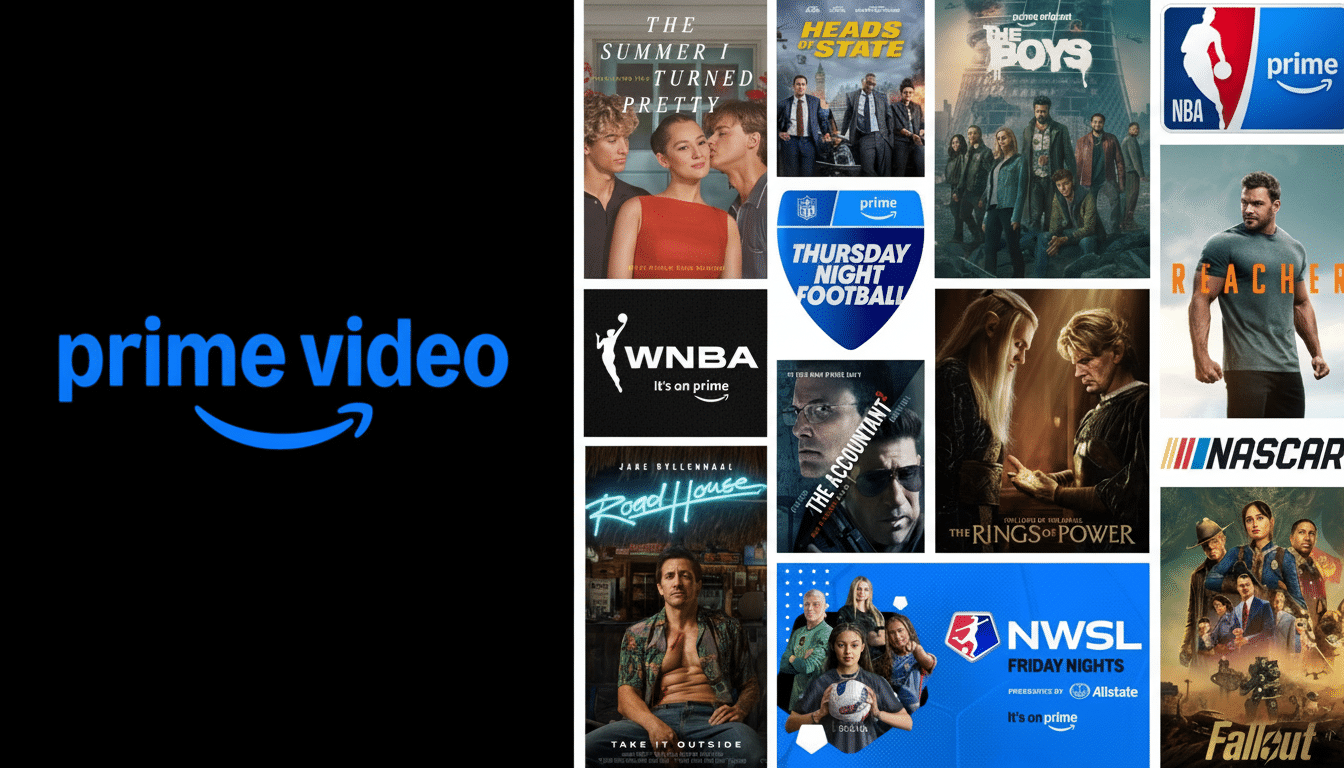
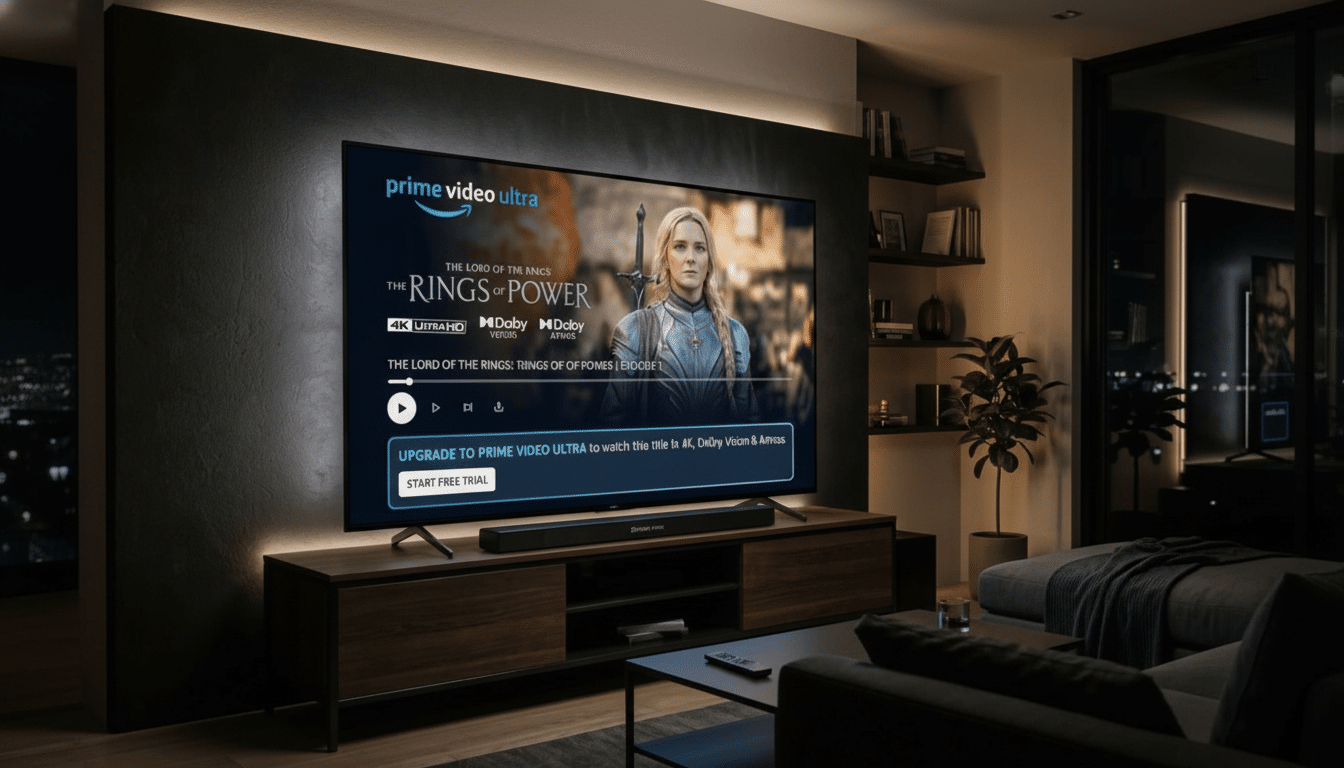
Ultra becomes the home for 4K/UHD and ad-free viewing. Subscribers gain Dolby Vision and Dolby Atmos where supported, an increased offline download allowance (up to 100 titles versus 25), and as many as five simultaneous streams. The add-on is positioned as the default upgrade for households with 4K TVs, soundbars, or AV receivers that can take advantage of the higher fidelity.
Before this change, Prime members could access a mix of 1080p and 4K streams without an extra fee, with a smaller add-on available purely to remove ads. By rebranding and expanding that add-on into Ultra, Amazon is creating a clearer premium lane tied to resolution and features, not just advertising.
Why Amazon Is Doing This With Prime Video Quality
4K streaming is expensive to deliver. Higher bitrates require more storage, transcoding, and bandwidth across global content delivery networks. Sandvine’s Global Internet Phenomena report consistently shows video consuming well over half of downstream internet traffic worldwide, and 4K streams typically demand three to four times the data of HD. Segmenting by quality lets platforms better align costs to revenue and steer their most bandwidth-intensive users into higher-ARPU tiers.
Analysts at firms such as Ampere Analysis and MoffettNathanson have documented the broader shift to tiered quality across the industry as streamers prioritize profitability. By bundling ad-free viewing, 4K, and premium AV formats into one tier, Amazon mirrors a playbook that rewards power users while preserving a lower-cost, ad-supported on-ramp for everyone else.
How It Compares With Rival Streamers And Platforms
Prime Video’s new stance is in step with competitors that reserve 4K for their top plans. Netflix limits 4K and Dolby Atmos to its Premium tier. Max offers 4K only on its Ultimate Ad-Free plan, which also increases concurrent streams and downloads. By contrast, Apple TV+ includes 4K HDR and Atmos at its base price, while Disney+ typically provides 4K HDR to both ad-supported and ad-free users in many markets. In other words, Amazon is neither an outlier nor the most generous—it’s calibrating alongside the middle of the pack.
What Viewers Should Consider Before Upgrading Plans
First, check your setup. Many laptops and mobile devices top out at 1080p, and some TVs labeled “4K” still lack the HDR formats or HDMI bandwidth needed to fully exploit Dolby Vision or Atmos. If you watch mostly on phones or older TVs, the basic plan may feel unchanged day-to-day.
Next, think about your connection and data usage. Netflix recommends around 15 Mbps for stable 4K; Amazon’s own guidance has historically landed in a similar range. According to Ookla’s Speedtest data, median U.S. fixed broadband speeds are well above that threshold, but consistency matters more than peaks. Also remember that 4K can consume roughly 7–10 GB per hour, which matters if your ISP enforces monthly caps.
Finally, consider content availability. Not every title on any service is mastered or licensed in 4K HDR with Atmos. If your must-watch shows and movies are primarily in HD, paying extra may not deliver a visible upgrade. For big-budget originals, live sports in UHD, and blockbuster films where HDR and immersive audio shine, Ultra will be the safer bet.
The Bottom Line On Prime Video’s New Ultra Tier Shift
By moving 4K and ad-free viewing into Ultra and setting HD as the default, Amazon is clarifying Prime Video’s value ladder. Households invested in 4K TVs and home theater gear get a well-defined premium tier with meaningful perks. Everyone else retains HD quality, now with a small boost to streams and selective HDR support. For Prime Video, it’s a classic streaming trade-off: pay more for peak fidelity, or stick with a solid HD experience that covers the essentials.

