


After two years hauling a portable wind turbine into forests, beaches, ridgelines, and a few backyard stress tests, I have a clear picture of how it stacks up against the folding solar panels I normally trust. The verdict is nuanced: the turbine can be brilliant in the right wind, but solar still wins most days for predictable, scalable off-grid power.
Test Setup and What Was Measured Over Two Years
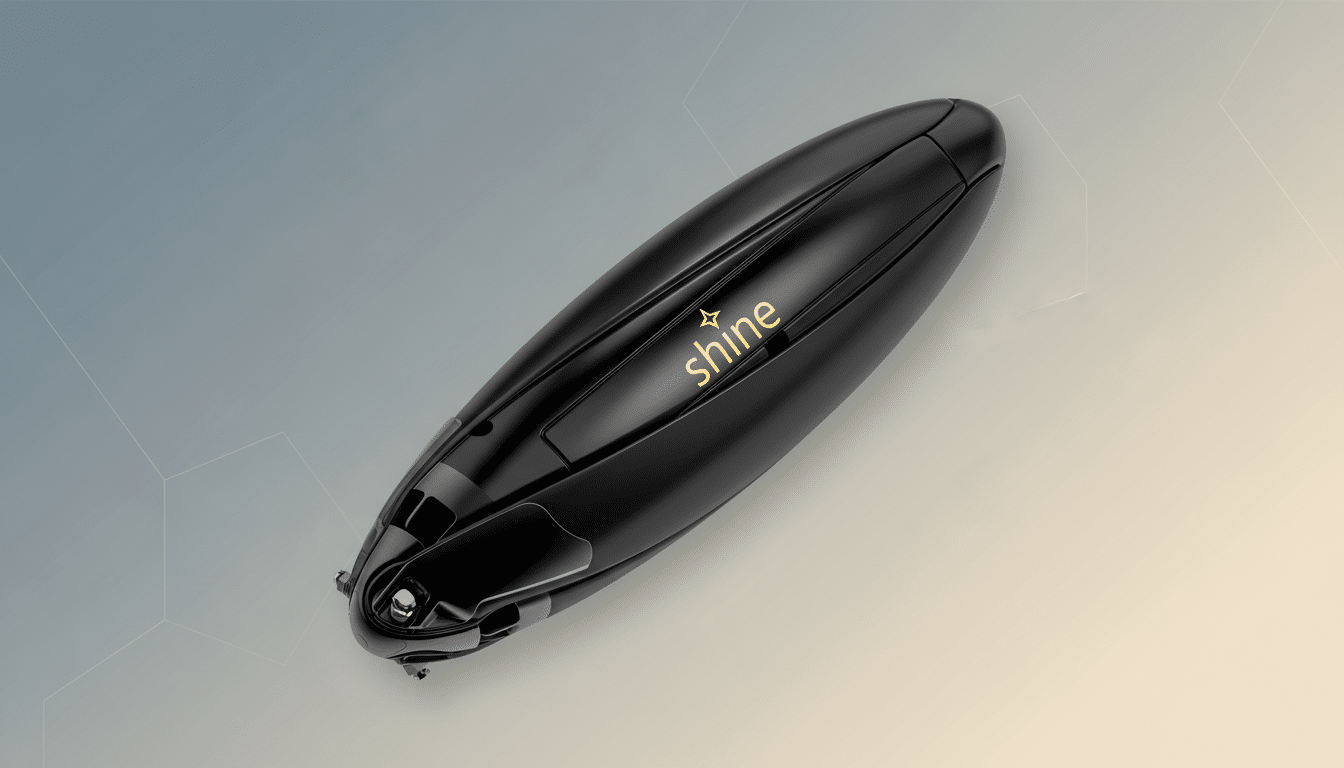
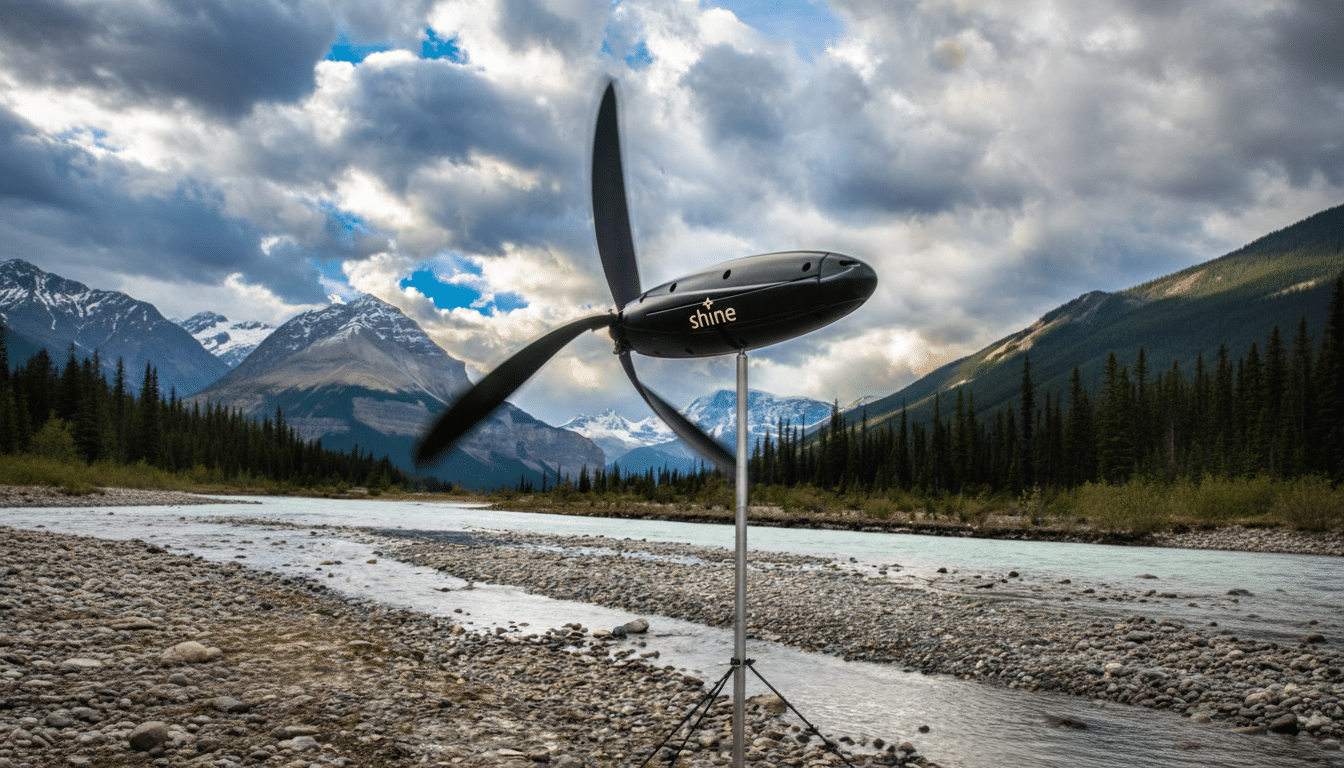
The turbine in question is the 3-pound Shine Turbine, rated around 40W with an internal 12,000 mAh battery (roughly 44 Wh at 3.7V). I ran it against common 100W and 200W folding solar panels paired with compact power stations. I tracked wattage, watt-hours added to power banks, setup time, noise, and reliability in wind ranging from light breezes to gusts that made tripod stakes earn their keep.
- Test Setup and What Was Measured Over Two Years
- Power Output Reality Check From Two Years of Field Use
- When Wind Wins and When Solar Dominates Most Trips
- The Wind Speed Catch for Small Portable Turbines
- Setup Time, Weight, and Real-World Practicalities
- Reliability and Durability Over Time in Harsh Weather
- How It Stacks Up to Solar for Real-World Use Cases
- Update on the Hardware and Upcoming Model Changes
- Bottom Line After Two Years of Wind Versus Solar Use
For consistency, I used USB power meters and power station telemetry. Trips included coastal camps with steady winds, inland woods with gusty, tree-turbulated air, and open hilltops. I also built a more permanent mount at home to simulate long-term cabin use.
Power Output Reality Check From Two Years of Field Use
The turbine’s rated 40W is achievable, but only when winds are strong and smooth. In practice, I logged 8–15W average on blustery nights and 20W+ in sustained coastal winds. On a classic “small craft advisory” evening, the turbine added about 80–100 Wh to a power bank overnight—enough to recharge phones, headlamps, and a GPS unit with room to spare.
By contrast, a 100W solar panel delivered 250–400 Wh on clear days, aligning with National Renewable Energy Laboratory guidance that most U.S. sites see ~3–5 “sun-hours” per day. Even under light overcast, panels often produced 10–30W at midday, which is still meaningful charging. That consistency is hard for small wind to match unless your campsite is reliably windy.
When Wind Wins and When Solar Dominates Most Trips
Wind wins overnight. That’s its superpower. While solar sleeps, a well-sited turbine can trickle-charge for 8–12 hours. On a coastal bluff with steady 18–25 mph winds, my turbine kept a 20,000 mAh bank topped up across multi-day trips without touching the solar kit.
Solar dominates most fair-weather trips. Sunlight is widespread and predictable, and a 200W panel with a mid-size power station will outpace any portable turbine in typical conditions. The International Energy Agency notes PV has become highly reliable and efficient across a range of climates, which matches my field notes: panels keep producing something even when clouds move in.
The Wind Speed Catch for Small Portable Turbines
Small wind lives and dies by wind speed. The Shine unit wakes up around the mid-teens and hits stride closer to the upper 20s (mph). Many backcountry valleys and forest sites simply don’t see that consistently. National Oceanic and Atmospheric Administration data shows average 10-meter wind speeds in much of the U.S. fall below what tiny rotors need for sustained output, especially at the lower hub heights used in camping setups.
If you’re a fair-weather hiker or spend nights below treelines, expect modest returns. Hilltops, beaches, and ridgelines are a different story—clean airflow and fewer gust-induced stalls make a visible difference.
Setup Time, Weight, and Real-World Practicalities
Out of the box, the turbine’s tripod and guyline process took me 8–12 minutes in calm weather and longer in gusts. Swapping in better pegs and upgraded line hardware shaved a few minutes and improved stability. Noise is a soft whirr, noticeable in very quiet camps but not disruptive.
At roughly 3 pounds, the turbine is lighter and tidier than carrying a 100W rigid or many folding panels, which often tip the scales at 8–12 pounds. For backpacking, that compactness matters. For vehicle-supported trips, the weight penalty of larger solar is trivial—and the extra watt-hours are decisive.
Reliability and Durability Over Time in Harsh Weather
Across storms and salt-spray weekends, the unit held up. Bearings remained smooth, blades intact, and electronics behaved. I did respect its limits: I lowered it during gale-force bursts and avoided wind shadows behind trees that cause violent yaw. Small wind rewards careful siting more than any other portable power I’ve used.
How It Stacks Up to Solar for Real-World Use Cases
For essentials—phones, earbuds, headlamps, GPS beacons—the turbine is a credible charger if your trips are windy. For laptops, camera batteries, drones, or multiple devices, solar plus a portable power station scales better. In my testing, a 200W panel routinely delivered 2–4 times the daily energy of the turbine even in mixed weather.
Water turbines? I tried a couple. Most portable models produce 5–15W in real creeks—handy for paddling expeditions but generally below the wind unit’s peak output and far beneath a 100W panel in daylight.
Update on the Hardware and Upcoming Model Changes
The manufacturer is preparing an updated Shine model that keeps the 3-pound form factor and 12,000 mAh battery while nudging max output to a claimed 50W. That’s not a night-and-day leap, but every watt counts in the wind world. I haven’t tested the new version yet, but incremental gains and user-driven tweaks would be welcome.
Bottom Line After Two Years of Wind Versus Solar Use
Portable wind is a niche tool that shines—literally—when the breeze does. Used smartly, it tops up banks overnight and bridges cloudy stretches that stall solar. But solar remains the default off-grid workhorse for most people because it’s predictable, scalable, and productive in more places.
If you travel light and chase coastlines or ridgelines, a portable turbine earns its spot. If you’re building a basecamp or have vehicle access, a 200W solar panel and a solid power station will deliver more watt-hours with less fuss. Choose based on your wind, not your wish list.

