


Pokémon Pokopia is landing with the kind of confidence that turns a beloved formula on its head. Early player buzz, retailer price moves pushing some physical copies as high as $80, and chatter about it being the first true system seller for Switch 2 have combined into one clear storyline: this cozy life sim from The Pokémon Company doesn’t just match Animal Crossing New Horizons—it surpasses it.
Animal Crossing defined the pandemic-era comfort game, selling more than 42 million units worldwide according to Nintendo’s investor reports and ranking among Circana’s monthly best-sellers for an extended stretch. But Pokopia’s big swing is purpose. It replaces the sun-drenched island chores of yesterday with a gentle, goal-driven journey to rehabilitate a ruined Kanto—retaining warmth, adding stakes, and rewarding every session with visible progress.
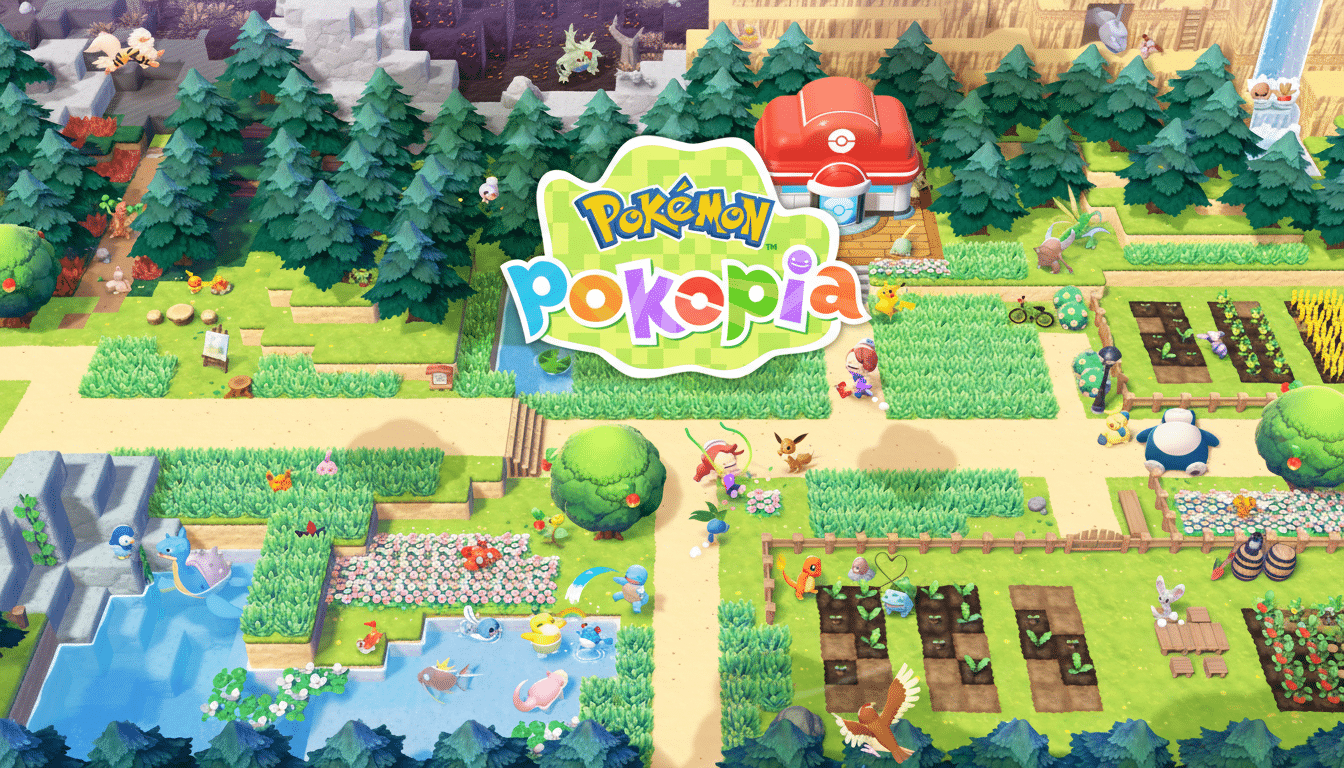
Worldbuilding With Purpose in a Restored Kanto Journey
Pokopia’s premise is deceptively cozy: you are a Ditto assuming the form of a missing trainer in a humanless Kanto, partnering with Professor Tangrowth and a cast of familiar Pokémon to restore habitats and revive communities. It’s equal parts caretaking and detective work. Notes tucked in derelict Poké Marts, weather-ravaged towns, and silent caves feed an unfolding mystery rooted in climate and infrastructure collapse—timely themes that lend clear weight to every rebuilt shelter and rekindled power grid.
Crucially, these themes never feel grim. Micro-stories—freeing a trapped Onix, protecting a shivering Charmander by crafting a rainproof hut with Timburr and Hitmonchan, coaxing life back to a sleepy seaside for Magikarp—turn resource gathering into acts of care. Where New Horizons excels at vibe, Pokopia excels at meaning. The loop is still soothing, but the outcome is restoration, not just decoration.
Systems That Reward Long-Term Play and Progression
Pokopia stretches far beyond the “check in and tidy up” cadence. Four sprawling regions and a sandbox Pallet Town for group play give structure to weeks, not days, of exploration. Players report multi-dozen-hour save files that are still uncovering new biomes, recipes, and habitat synergies—a sharp contrast to the early ceiling many hit in New Horizons once museum, housing, and landscaping milestones were checked off.
Design-wise, Pokopia’s progression is generous without being grindy. Habitat construction is a modular puzzle—place types, weather triggers, and Pokémon behaviors interact in ways that invite experimentation. Instead of waiting out real-time build clocks, you’re combining materials, triggering environmental effects, and solving soft-gated challenges at your pace. The result is a flavorful middle ground between Animal Crossing’s routine and Stardew’s systemic depth.
Social Play Without Friction for Seamless Co-op
Pallet Town’s sandbox mode leans into low-friction co-op. Group sessions emphasize shared projects and playful tinkering over inventory anxiety, and early impressions point to smoother join flows than the loading-heavy island visits that often slowed New Horizons. It feels designed for spontaneous sessions—drop in, fix a habitat, celebrate a rainfall you engineered together, and bounce—rather than appointments.
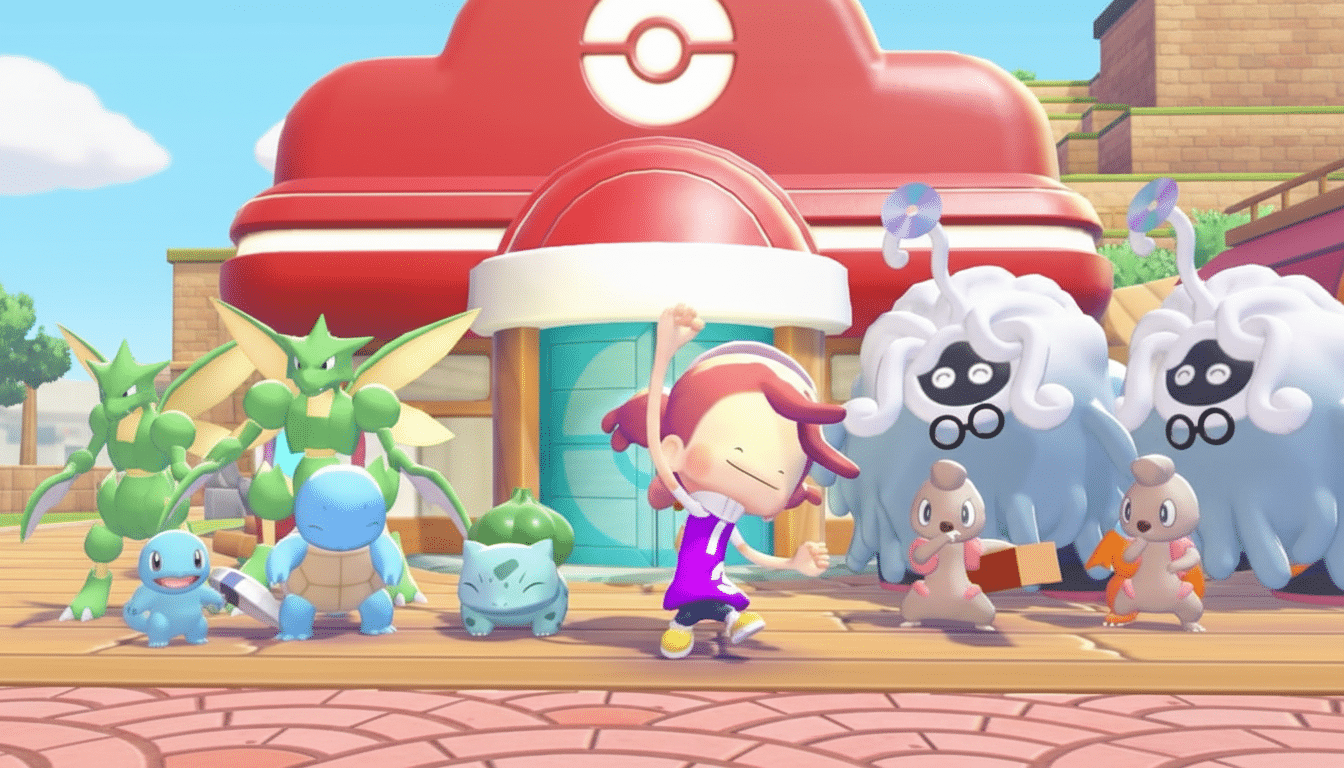
That elegance matters. Cozy communities thrive on creativity and sharing; Pokopia’s streamlined approach lets you collaborate without turning a five-minute favor into a 20-minute commute through menus and cutscenes.
Polish and Momentum Pokémon Needed to Win Back Fans
After recent mainline Pokémon entries drew criticism for technical hiccups, Pokopia’s launch feels measured and meticulous. The art direction supports the story—muted palettes burst into color as you restore power or coax rain from a reluctant sky—and moment-to-moment performance has drawn notably positive player chatter. It’s the kind of first impression that converts skeptics and fuels word of mouth.
Add to that the retail signal: physical listings rising to $80 at some storefronts and a perception that this is the first must-upgrade exclusive on Switch 2. Analysts at firms like Ampere Analysis have long noted that a single “you have to try this” exclusive can jumpstart hardware cycles. Pokopia has that energy.
Why It Outshines New Horizons in Cozy Life Sim Design
New Horizons remains a cultural landmark and a model of cozy design. But Pokopia layers that comfort with narrative stakes and systemic interlocks that make every session feel consequential. You’re not just curating a space—you’re healing it. Tangible before-and-after states, smarter co-op, and progression that respects your time combine into a loop that’s harder to put down and easier to return to.
If New Horizons taught millions to love life sims, Pokopia shows where the genre goes next: warmth with intention, toys that click together, and community features that invite play instead of scheduling it. That’s why, right now, Pokémon’s coziest experiment isn’t just comparable to Animal Crossing. It’s better.

