


The internet has been clamoring for something soft to hold onto, and Pokémon Pokopia has arrived with exactly that energy. Clips of its pastel towns, neighborly Pokémon, and slow-breathing pacing are flooding feeds across TikTok, Reddit, and X, turning a gentle spin on the franchise into the web’s latest feel-good obsession.
What’s striking is how many non-gamers are paying attention. Players are posting day-in-the-life vignettes instead of battle montages, and some even say they picked up the new Nintendo hardware just to settle into this $70 island of calm. In a moment dominated by doomscrolling, Pokopia’s kinder loop—be helpful, be present, be part of something—feels like relief.
A Softer Pokémon Formula Focused on Community Care
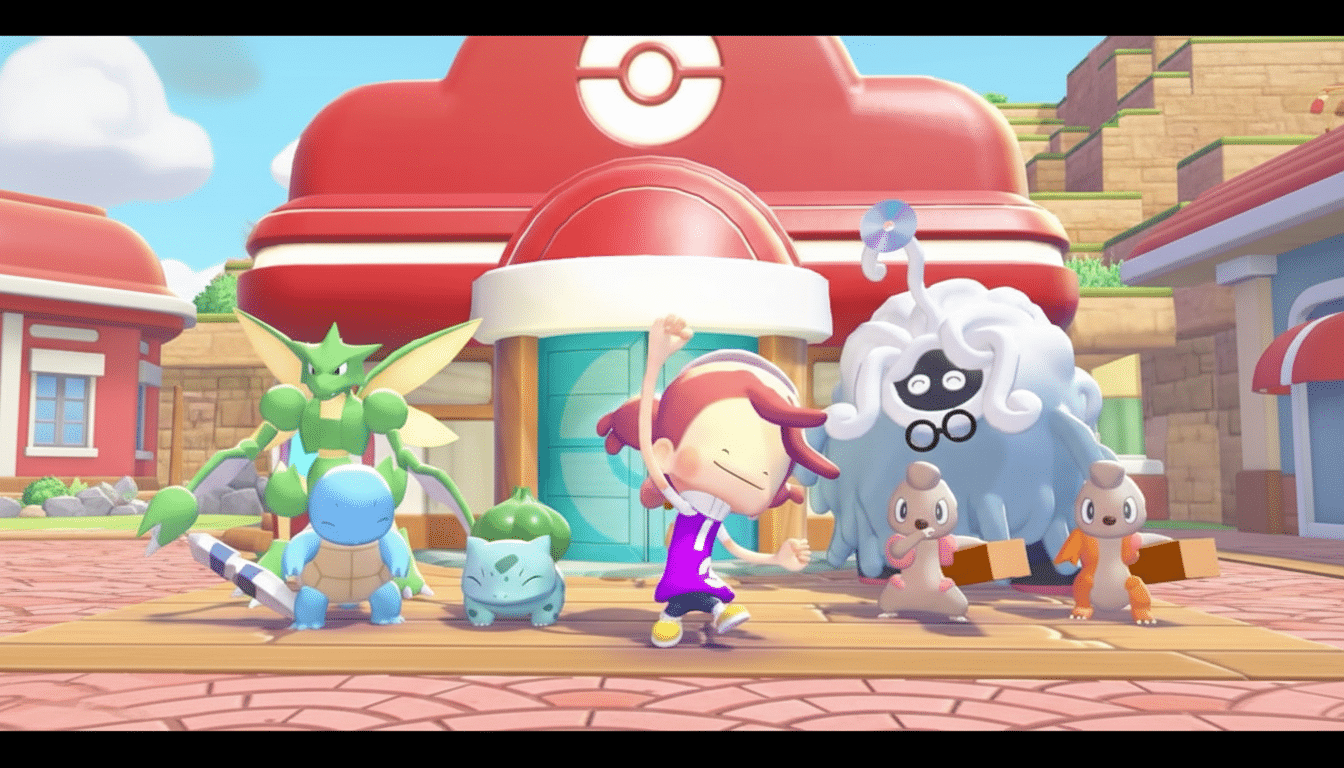
Pokopia steps away from gyms and rivalries to focus on community. You play as a shapeshifting, human-like Ditto in a compact town where the goal isn’t to catch them all, but to care for them: deliver a package, repair a fence, host a neighbor, learn routines, and watch relationships slowly deepen. It’s more block party than boss rush.
The pacing invites comparisons to Animal Crossing’s daily rhythms, yet this feels distinctly Pokémon. Familiar creatures bustle through routines, pitch in on chores, and even become roommates if you invite them. The tension shifts from “Can I win?” to “How can I help?”—a clever reframing that keeps the series’ charm while sidestepping combat pressure.
The Characters Driving the Pokopia Buzz and Emotion
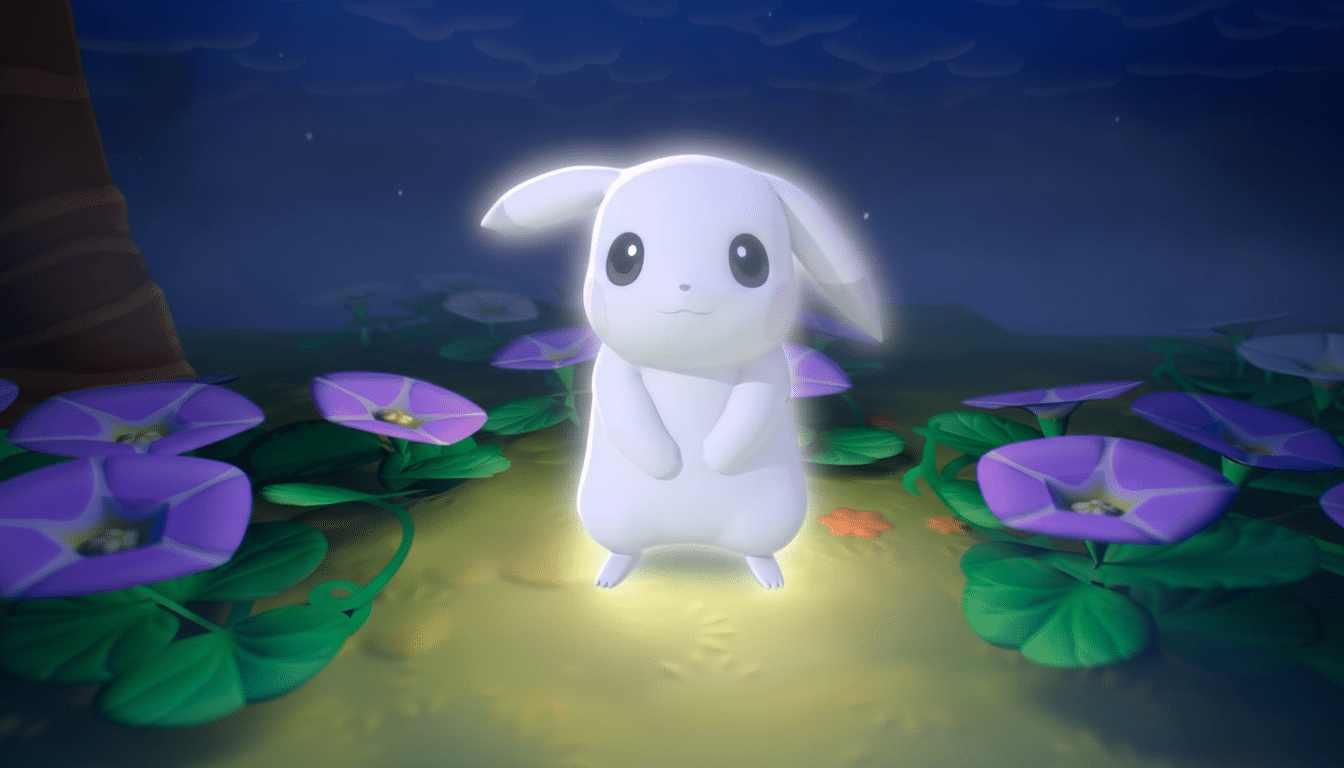
One character has become the game’s emotional lodestar: a small, pale Pikachu nicknamed Peakychu by fans. According to her in-game entry, she once lent so much electricity to sick friends that she can no longer generate it herself, relying on outside sources to recharge. The backstory has sparked waves of fan art, reaction threads, and quietly teary videos—an emblem of the game’s empathetic core.
These tiny acts of care give Pokopia outsized resonance online. Instead of victory laps, players share moments of kindness—potlucks, mended benches, shy greetings—that read like postcards from a kinder timeline. The virality isn’t about spectacle; it’s about recognition.
Why Cozy Games Keep Surging with Players and Creators
Pokopia lands in a market that has been steadily warming to comfort-first play. Animal Crossing: New Horizons has sold well over 40 million copies globally, according to Nintendo’s financial reports, proving that slow-life loops can be blockbuster business. Stardew Valley, created by a solo developer, surpassed 30 million copies, a milestone announced by its creator, and continues to chart years after launch.
On social platforms, the cozy current is unmistakable: the #cozygames hashtag has amassed hundreds of millions of views on TikTok, where creators share ambient gameplay, decor tours, and recommendations. Industry analysts at Circana have also noted sustained engagement in life-sim and farming titles, even as big-budget action games dominate headlines.
Mental health research helps explain the draw. A study from the University of Oxford found that time spent in feel-good games like Animal Crossing correlated with higher reported well-being. The Entertainment Software Association has similarly reported that a large majority of US players cite stress relief and relaxation as primary reasons they play. Pokopia taps that same restorative loop.
Small Stakes With Big Meaning in Pokopia’s Gentle Play
Beneath Pokopia’s gentle routines is a reflective premise. Set in a post-human landscape, the game turns maintenance into mission: you restore gardens, repair paths, and stitch together a livable town among the remnants of what came before. It’s not about erasing the past; it’s about tending what remains and inviting others in.
That framing transforms to-do lists into communal care. Crafting isn’t grindy; it’s neighborly. Progress isn’t measured in laddered power, but in quieter signals—a shared meal, a fixed lamp, a home that feels more alive when you return to it tomorrow.
A Timely Antidote to Doomscrolling in Today’s Feeds
It’s no surprise Pokopia thrives in feeds otherwise saturated with political tension, economic anxiety, climate disasters, and AI angst. Short clips of tiny victories—a timid Pokémon mustering the courage to say hello, a street corner lit up after a repair—function like palate cleansers between heavier headlines.
For The Pokémon Company and Nintendo, the response underscores a strategic truth: comfort is not a niche; it’s a pillar. When players publicly say they bought new hardware just to join a $70 sanctuary, that signals demand for slower, kinder design at scale. And when the internet rallies around a Pikachu who gave too much of herself, the message is unmistakable—people aren’t just chasing wins; they’re looking for care.
Pokopia doesn’t ask you to conquer. It invites you to belong. In a culture that often confuses noise for significance, this small, neighborly game is making the loudest point of all: sometimes, the most powerful escape is a quiet one.

