


Two of OnePlus’s most hyped devices might never exist. The phone maker has scrapped the OnePlus Open 2, according to prolific leaker Yogesh Brar, who adds there is a 90% chance that the rumored OnePlus 15s (known in China as the 15T) will be axed too. OnePlus has not responded to a request for comment, but if true it would completely change the brand’s roadmap at a crucial time for foldables and late-year refreshes.
What the OnePlus Open 2 Was Supposed to Bring
The first OnePlus Open was praised for its thinness, robust camera system and minimally invasive fold crease—trappings all directly linked to it being built on the OPPO Find N3. Industry watchers thus assumed any sequel would once again ape OPPO’s next big book-style foldable, a widely rumored gadget known as the Find N6.
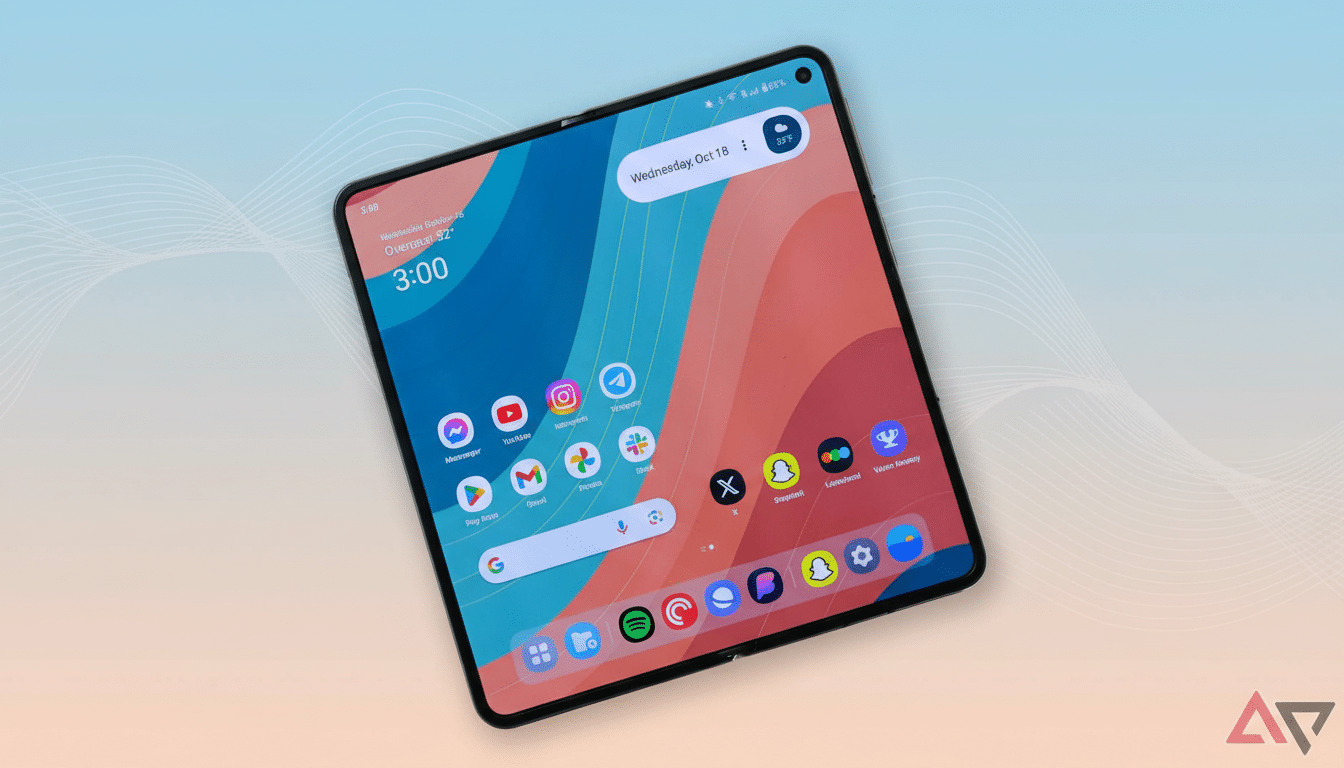
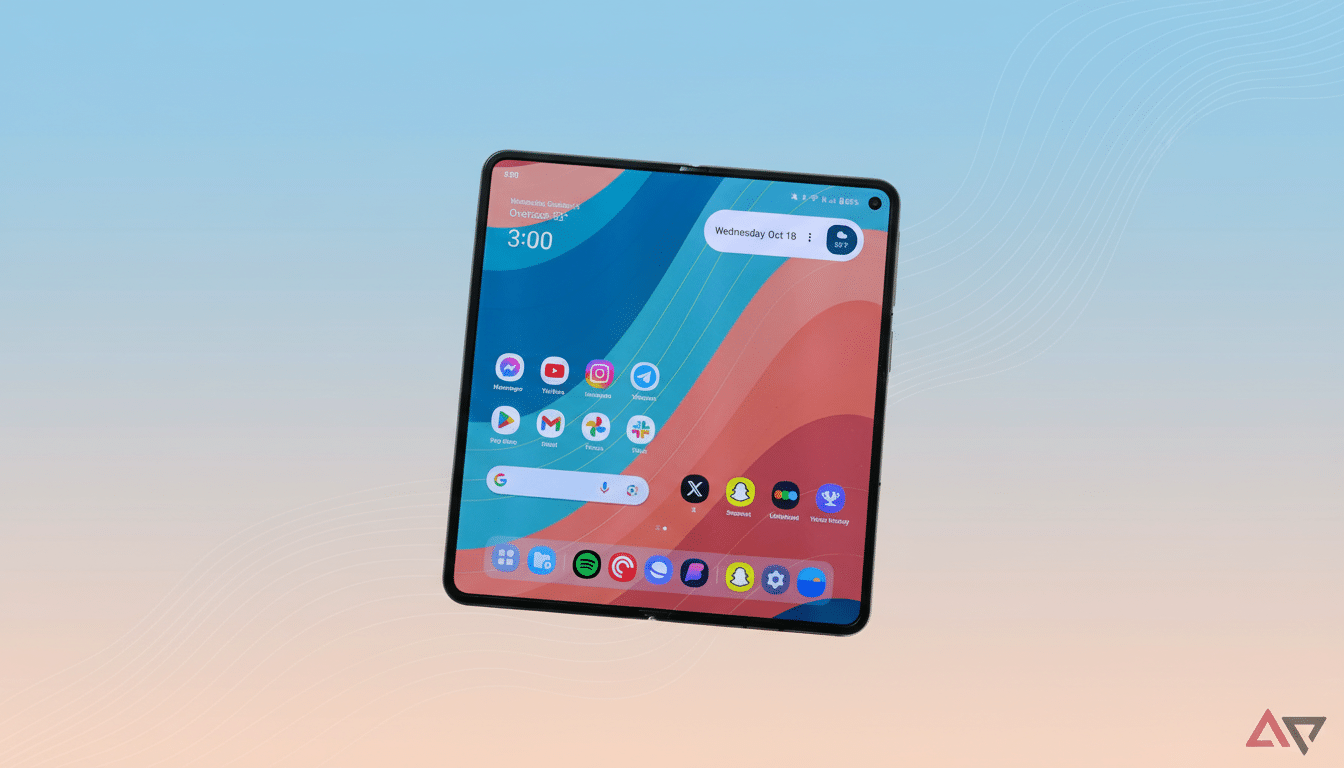
Rumors had it that the device would combine a Snapdragon 8 Elite Gen 5 chipset with a 6.62-inch outer display, an 8.12-inch inner panel and a 6,000mAh battery. Camera chatter indicated a 200MP main sensor alongside 50MP ultrawide and 50MP telephoto modules. If OnePlus has in fact killed the Open 2, international customers will potentially be shut out of a great large-screen foldable alternative to Samsung’s and Motorola’s offerings.
Why OnePlus Might Do an About-Face on Foldables
Building a best-in-class foldable is an expensive and operationally complicated process. Panel yields, hinge reliability and the software optimization challenge of long-tail development all add cost and risk. Display Supply Chain Consultants has also repeatedly reported that while yields on panels are getting healthier, premium materials and hinge engineering continue to keep the bill-of-materials picture high next to slab phones. For a brand which was already sharing R&D and supply chains with OPPO under the BBK label, focusing all its efforts into just one name in key territories might be the cleaner business call.
Demand could also be a factor. Foldables still comprise a low-single-digit percentage of global smartphone shipments, around 2%, according to Counterpoint Research, which also says the category is growing faster than the broader market. That combination makes foldables highly visible but not yet volume drivers — brutal math for a company that has made its bones competing on price and tight margins.
The OnePlus 15s Question and Its Uncertain Future
Brar also notes a late-cycle flagship, which suggests the OnePlus 15s doesn’t look likely, with an estimated 90% chance it’s a no-go. Rumored to launch in its home market as the OnePlus 15T, the device was said to pack a 6.3-inch 165Hz panel, an absolutely massive 7,000mAh or even 7,500mAh battery and a 50MP telephoto lens — specs that read like a performance-first adaptation on the core flagship model.
Strategically, it wouldn’t be out of the ordinary to avoid a “T” refresh. OnePlus has even canned those mid-cycle updates at points when the value proposition wasn’t strong enough or there were component challenges. In a year where flagship silicon was at a premium and costs skyrocketed across camera stacks to batteries, it’s understandable that they’re staying cautious with line complexity.
A Shifting Foldable Landscape as Competition Grows
But even without an Open 2, the race to build a foldable is heating up. Samsung refines its book-style designs, showing multi-fold prototypes at industry events. Motorola has been driving not-so-small, not-so-light clamshells that are all about the mass market. Analysts have also wondered about Apple’s eventual reentry into the category, a wild card that could change expectations around software and durability if it comes to pass.
The prospect of OnePlus stepping back would limit the choices for consumers in North America and Europe in the large-foldable tier, giving up mindshare to incumbents just as a greater number of apps and services have been optimized for big-screen, multitasking use cases. It’s one less lever for carriers and retailers to pressure pricing and promotions in a premium niche.
What to Watch Next as OnePlus Rumors Gain Steam
Until OnePlus says anything, these are just rumors. Still, there are breadcrumbs to follow: certification filings in China, part leaks from supply chain analysts and OPPO’s foldable roadmap. If an OPPO Find N6 is released without a corresponding OnePlus model, it would be strong evidence of a significant shift in direction.
For now, then, just be sure to understand what’s official. If the Open 2 and 15s are indeed kiboshed, that’s undoubtedly where OnePlus’s near-term attention now shifts: to its traditional non-folding flagships and midrange handsets, which are the places it can shift volume, protect margins, and maintain a reputation for value without diluting what it means to be fast or valuable.
