


Nex’s family-focused motion gaming console is getting a $50 price increase, with the company urging shoppers to secure the current price before the change takes effect. Nex’s CEO David Lee said in a company blog post that component inflation—especially memory—has pushed costs beyond what the firm can absorb. The monthly Play Pass subscription that unlocks the full game library will remain unchanged.
What is changing with the Nex Playground price
The Nex Playground’s MSRP will move from $249 to $299. Nothing about the hardware bundle is changing: it’s still a compact camera-based console that sits near the TV and tracks players’ movements, no controllers required. For families, that “no extra gamepads” approach keeps accessory costs down and makes setup simple for kids and guests.

Nex confirmed it is not raising the price of Play Pass, the optional subscription that provides access to the console’s curated catalog without ads. That steadiness matters, because many households treat the Playground as a living-room hub for quick, active play sessions rather than a single full-price title purchase model.
Why the Nex Playground price is climbing now
The primary driver is memory. Industry trackers such as TrendForce and Omdia have reported double-digit upswings in DRAM and NAND contract prices in recent quarters. Capacity has been shifting toward high-bandwidth memory (HBM) to feed AI data centers, while manufacturers including Samsung, SK hynix, and Micron have kept output disciplined to restore profitability. That combination has tightened supply of the mainstream RAM and flash used in consoles and handhelds.
For a small, camera-powered system like the Playground, memory and storage are disproportionately important line items in the bill of materials. Even modest increases across RAM and flash can add up quickly at family-friendly price points, forcing a choice between cutting features or adjusting MSRP. Nex is opting to preserve the experience and raise the sticker price.
The ripple effects are visible beyond Nex. Handheld maker Ayaneo recently paused production of a premium Windows-based model, citing surging component costs. Major console makers have also navigated component volatility through selective pricing moves and bundle strategies as supply chains whiplashed.
How to avoid the Nex Playground’s price hike
If the Playground is on your list, buying before retailers switch to the new MSRP is the simplest way to save. Check Nex’s official store and major retailers; many typically honor the current price until inventory systems are updated. Look for bundle value—game credits, Play Pass trials, or gift cards can offset costs without waiting for a rare discount.
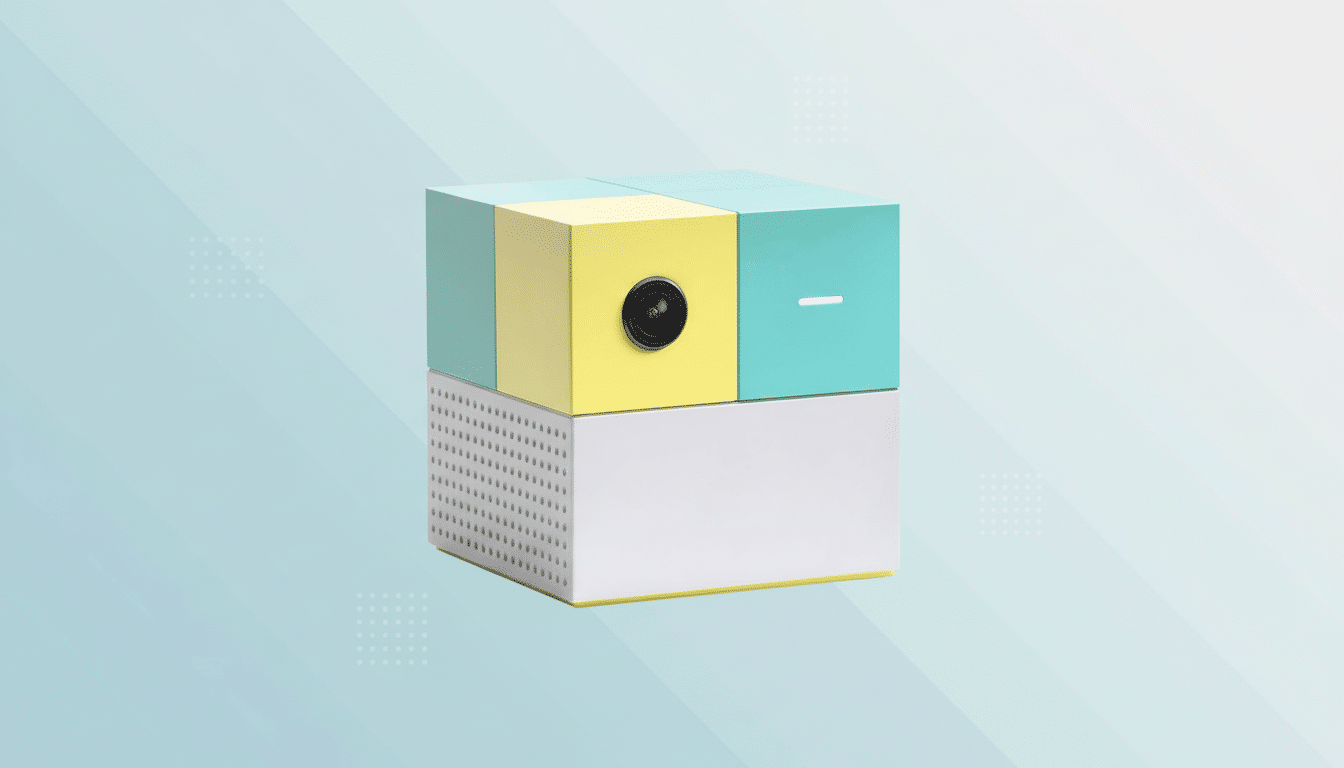
Refurbished or open-box units from reputable sellers can also undercut the new MSRP, and they’re a smart play for secondary TVs or grandparents’ houses. Just confirm warranty coverage and return windows. If your retailer offers price protection, note that it usually works in one direction—down. Once the MSRP rises, price-match policies often won’t revert to the lower figure.
Where Nex Playground fits against family gaming alternatives
Even after the increase, the Playground remains cheaper than most living-room consoles, and it sidesteps one of family gaming’s hidden expenses: extra controllers. Traditional systems often require two to four gamepads at $50–$70 each to get everyone playing, while Nex’s camera tracks multiple players’ movements out of the box.
The library leans hard into co-play and kid-first franchises—think Barbie, Bluey, Peppa Pig, Sesame Street, and Teenage Mutant Ninja Turtles—plus easy-onboard sports titles. That focus, paired with motion controls, makes it a strong complement to a household’s main console rather than a replacement. It’s the system you turn on for 20 minutes of active fun without arguing over who gets the “good” controller.
What this price move signals for gaming hardware trends
Component swings aren’t over. The Semiconductor Industry Association has highlighted ongoing investment cycles in memory and logic, but AI demand continues to distort the mix, keeping mainstream DRAM and NAND tight. Until wafer capacity and inventory fully normalize, family-tier devices will feel pricing pressure first because they compete in the most price-sensitive brackets.
For buyers, the calculus is straightforward. If you want a motion-driven, family-friendly console and you see Nex Playground at its current price, acting now likely beats waiting. If you miss the window, you’re still getting one of the most approachable living-room gaming systems—just at a higher, more realistic cost for the hardware inside.

