


NASA’s four-person Artemis 2 crew has entered a tightly controlled prelaunch quarantine, beginning the final, quiet phase before humanity’s next trip around the moon. Commander Reid Wiseman, pilot Victor Glover, mission specialist Christina Koch, and Canadian Space Agency astronaut Jeremy Hansen are now in a sealed health bubble designed to keep even routine germs from jeopardizing a high-stakes flight.
The practice, known internally as NASA’s Flight Crew Health Stabilization Program, is standard for deep-space missions. It is part medical protocol, part logistics drill, and part mental reset—a deliberate slowdown before the hardest push.
- Why Astronauts Enter Isolation Before Lunar Missions
- Inside the Health Bubble Protecting the Artemis 2 Crew
- From Houston Prep to Florida Finales Before Launch
- Managing Delays Without Breaking the Bubble
- Lessons From Apollo to Artemis Shaping Quarantine Protocols
- The Quiet Before the Burn as Artemis 2 Readies to Fly
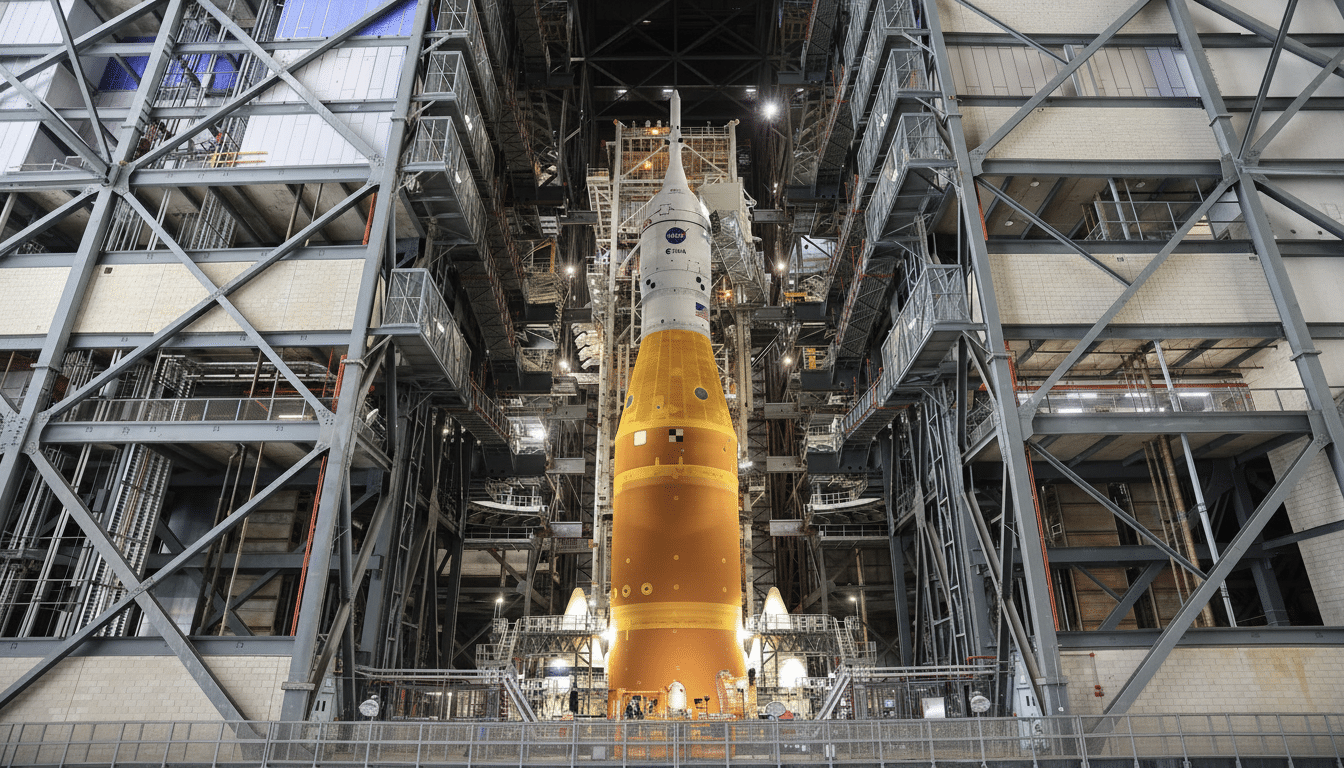
Why Astronauts Enter Isolation Before Lunar Missions
In close quarters, a minor cold can become a mission-level problem. Orion, the crew’s spacecraft—nicknamed Integrity—offers roughly 9 cubic meters of habitable space, small enough that a single cough can circulate quickly. Flight surgeons aim to eliminate that risk window with a 14-day buffer that mirrors typical incubation periods for respiratory illnesses.
Medical teams screen the astronauts when they enter quarantine and again before liftoff, looking for early signs of infection. As Canadian Space Agency physician Raffi Kuyumjian has explained publicly, the two-week duration isn’t arbitrary; it’s anchored in epidemiology and tailored to crewed spaceflight’s unique constraints.
Inside the Health Bubble Protecting the Artemis 2 Crew
Quarantine isn’t solitary confinement. Select flight controllers, trainers, and technicians who need in-person access are cleared into the bubble after medical screening, vaccinations, and daily health checks. Immediate family can join under the same rules, creating a small, monitored community that travels with the crew through final preparations.
The routine is predictable by design: short-duration simulations, procedure reviews, and checklists in the morning; medical evaluations and equipment fit checks in the afternoon; downtime in the evening. Nutritionists tweak menus to favor immune health and hydration, while exercise schedules keep vestibular systems and core strength tuned without exhausting the crew.
Vaccination is another layer. NASA and its partners recommend flu, COVID-19, and other indicated immunizations to reduce viral transmission risk. Public health data from the CDC shows seasonal flu vaccines cut symptomatic illness by roughly 40% to 60%, a meaningful reduction when four people will share one cabin for the duration of a lunar flyby.
From Houston Prep to Florida Finales Before Launch
The crew begins isolation at Johnson Space Center in Houston, close to mission control and training facilities. In the final week before launch, they transfer to crew quarters at Kennedy Space Center, where the emphasis shifts from intensive prep to rest, family time, and last briefings with flight directors and recovery teams.
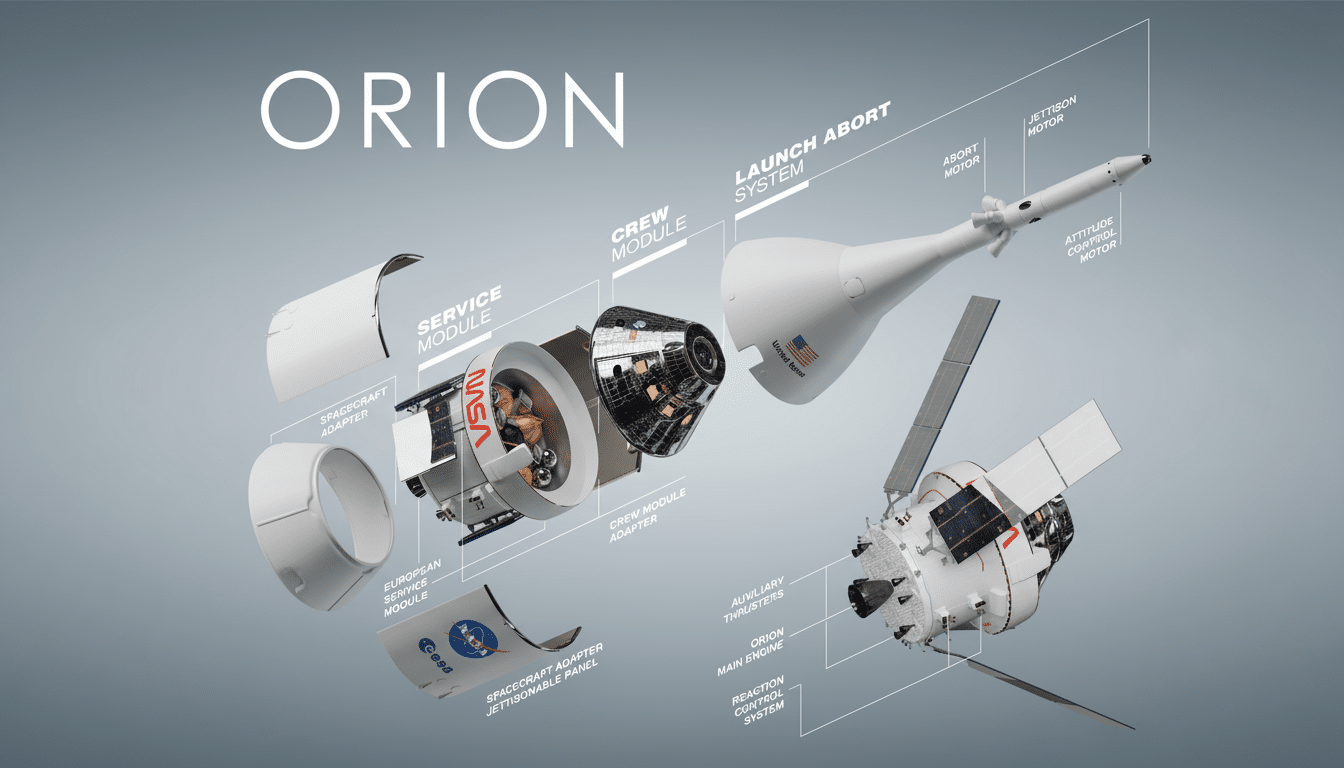
There, surgeons complete final exams, suit technicians rehearse donning procedures, and the team practices the short, scripted march from crew quarters to the spacecraft access arm. Even the timing of wake-up calls and meals is tuned to match ascent milestones.
Managing Delays Without Breaking the Bubble
Schedules in human spaceflight are elastic by necessity. If weather or hardware pushes liftoff by a day or two, the astronauts simply stay in quarantine. If the slip stretches longer, the program typically stands down, resets, and begins a fresh two-week isolation to realign with disease incubation timelines.
Occasional minor illnesses do occur in quarantine, usually mild respiratory bugs that resolve without consequence. The threshold for swapping a crewmember or delaying a mission is high and medical-led. History offers a stark example: in 1970, Jack Swigert replaced Thomas Mattingly on Apollo 13 after a measles exposure concern—a precaution that kept the crew safe amid an already perilous mission.
Lessons From Apollo to Artemis Shaping Quarantine Protocols
Quarantine culture took shape in the Apollo era, when astronauts isolated before flight and then again after lunar return. Post-mission quarantine ended in 1971 after the Interagency Committee on Back Contamination concluded the moon posed no biological hazard, but preflight measures remained and steadily matured into today’s data-driven regimen.
What’s new with Artemis is the complexity of integrated systems and the sheer visibility of the program. The isolation period doubles as a systems checkpoint: any last-minute change—software patch, suit fit tweak, or comms update—must flow through a crew that is protected, rested, and synchronized with mission control.
The Quiet Before the Burn as Artemis 2 Readies to Fly
For Wiseman, Glover, Koch, and Hansen, the next two weeks are measured in small, deliberate steps: a final simulation here, a family dinner there, and a steady cadence of medical green lights. It’s a calm that belies the intensity to come—an intentional pause so that when the countdown hits zero, the only unknowns are the ones that space itself insists on keeping.

