


Micron’s decision to retire the Crucial consumer memory brand is sparking a backlash among PC builders, yet the company insists the move ultimately benefits shoppers. A senior marketing executive told Wccftech that Micron will prioritize data center customers while serving end users indirectly through OEM partners, arguing that channel consolidation is a pragmatic response to an industry-wide memory squeeze.
Why Micron Says Consumers Still Win Without Crucial
Micron’s case rests on two points. First, most consumers buy PCs with memory pre-installed, and supplying major OEMs keeps those systems shipping with validated, power-efficient DRAM. Second, the company contends that scarce wafer capacity is better allocated to leading-edge products that lift performance for everyone over time. In other words, focus on the platforms that move the most units today, then let the technology trickle down to retail once supply normalizes.
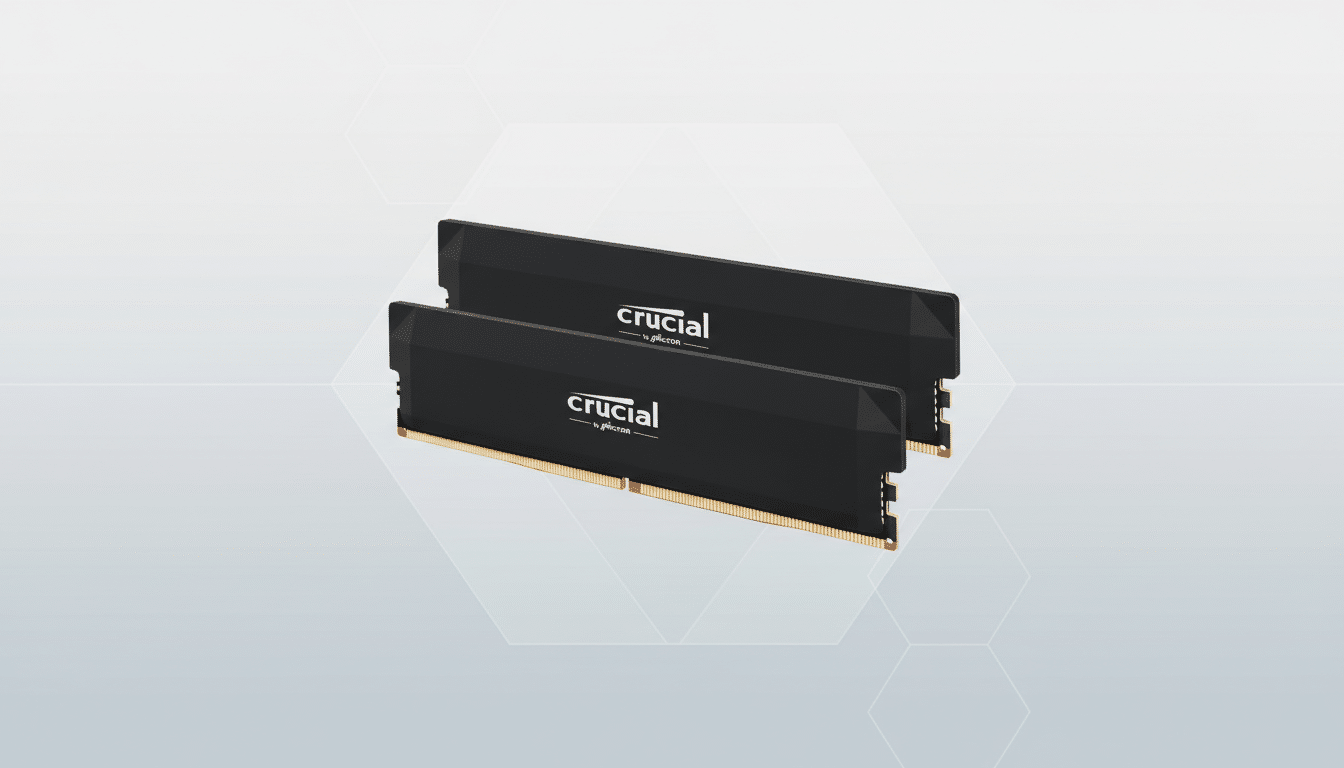
That framing tracks with how the memory market typically works. The big three DRAM makers—Samsung, SK hynix, and Micron—supply chips to retail module brands like Kingston, Corsair, TeamGroup, and G.Skill. When supply tightens, OEMs with long-term contracts and validation pipelines tend to get priority. Micron is signaling it would rather be upstream and high-volume than run a consumer-facing label during a shortage.
The AI Squeeze on DRAM Supply and HBM Capacity
Behind the decision is an extraordinary shift in demand. High Bandwidth Memory (HBM) for AI accelerators has consumed capacity at advanced nodes, crowding out commodity DDR modules. TrendForce has reported double-digit increases in DRAM contract prices this cycle, with HBM accounting for roughly 20% of DRAM revenue—remarkable for a niche that was single-digit not long ago. With assembly and test constraints layered on top of wafer limits, lead times have stretched across the chain.
Micron says new fabrication lines started years ago won’t meaningfully ease supply until they ramp, and internal guidance points to later availability rather than relief in the near term. That timeline aligns with industry realities: new DRAM nodes (1β, 1γ) require EUV equipment, packaging lines for HBM need to scale, and yield learning curves take quarters, not weeks. The Semiconductor Industry Association has underscored how long these capex cycles run before consumers see lower prices.
What Enthusiasts Lose Without Crucial in DIY PCs
In the DIY channel, Crucial’s exit stings. The brand built trust around compatibility tools, straightforward warranties, and reliable JEDEC-compliant kits. Micron already pulled the plug on its Ballistix gaming line earlier in the decade; ending Crucial removes one of the few DRAM maker–backed retail options. Fewer labels can mean less price competition on everyday 32GB and 64GB DDR5 kits, at least until supply catches up.
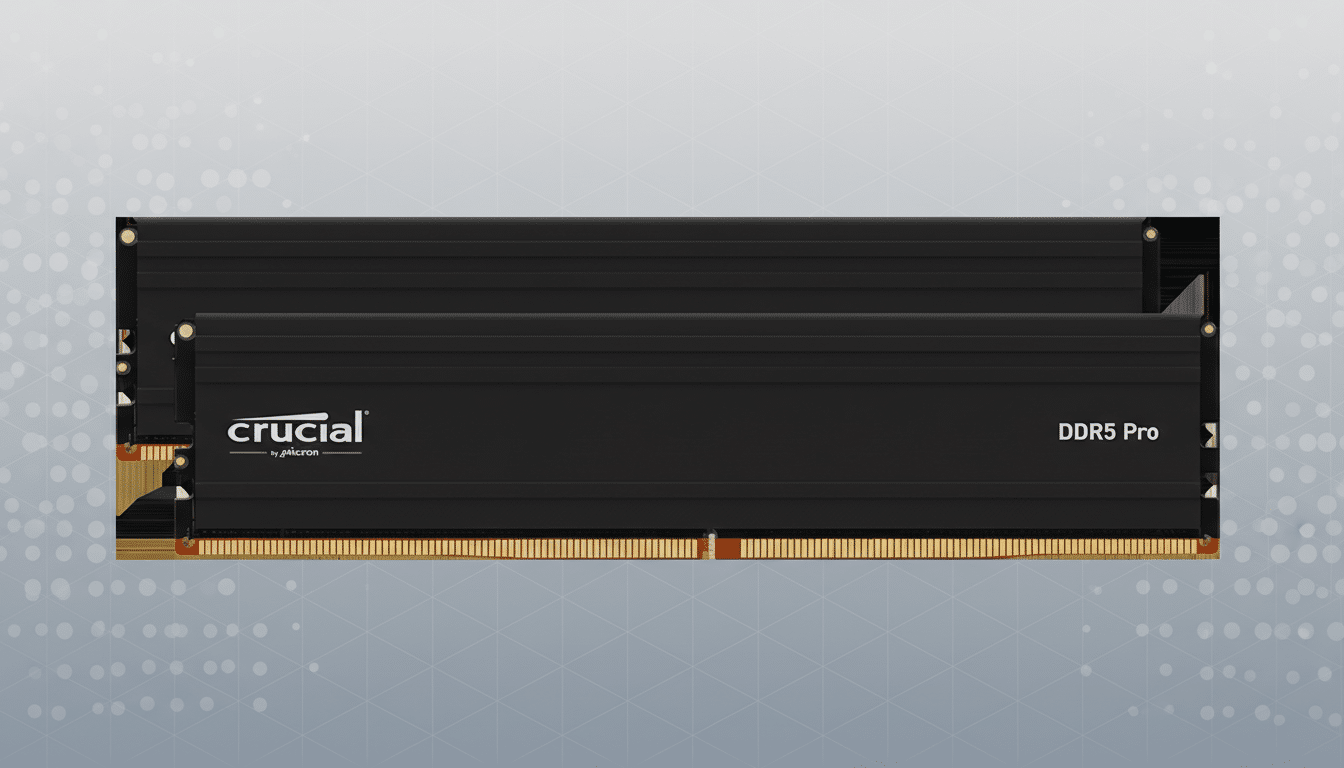
There are still plenty of retail choices—Kingston, Corsair, G.Skill, and others—but they depend on the same upstream suppliers. When margins on HBM are high and capacity is scarce, it’s rational for chipmakers to favor AI-bound products. That rationality is exactly what rankles enthusiasts who see DIY memory prices jump while hyperscale customers soak up capacity. The pushback online has been sharp, and the optics are hard to ignore.
Does the Strategy Help Consumers Now or Later?
In the short term, not really for tinkerers. DIY builders lose a familiar brand and may face higher street prices as distributors ration inventory. For mainstream buyers, the calculus is different: prioritizing OEMs can keep laptops and desktops on shelves with stable configurations, which arguably helps the wider market more than preserving a retail label during a crunch.
Longer term, there is a plausible consumer upside. As AI demand funds rapid transitions to denser, lower-power DRAM and advanced packaging, those capabilities tend to migrate into consumer modules. TrendForce expects DRAM bit supply growth to outpace demand once new capacity and nodes mature, historically a setup for price declines. If HBM margins accelerate DRAM R&D and node migration, consumers could benefit later with faster, cheaper DIMMs.
What to Watch Next for DRAM, HBM, and PC Markets
Keep an eye on DDR5 adoption rates in new CPU platforms, HBM ramp progress at all three DRAM vendors, and signals from IDC and Gartner on PC unit growth. If AI server builds plateau while new lines come online, retail memory prices often fall quickly—by 10–20% in past down-cycles. Until then, Micron’s bet is clear: serve the biggest pipelines first and ask consumers to be patient. Whether that feels “good” depends on which part of the market you sit in.
