


Industrial facilities depend heavily on compressed air systems to power machinery, tools, and processes. Yet, inefficiencies or undetected faults in these systems can result in higher operational costs and unexpected downtime. How can manufacturers ensure their compressed air systems are running at peak efficiency and reliability? The answer often lies in partnering with the right experts for comprehensive audits and targeted restoration.
Evaluating Compressed Air Audit Companies for Industrial Efficiency
Choosing the right compressed air audit companies is essential for enhanced plant productivity. A trusted audit partner doesn’t just identify leaks—they assess pressure drops, energy usage, and system design to offer actionable insights. Look for companies with a track record of working in your industry, strong references, and thorough reporting methods. By doing so, you equip your operation with the data needed to make informed decisions, improve efficiency, and reduce unnecessary expenses.
- Evaluating Compressed Air Audit Companies for Industrial Efficiency
- The Importance of Comprehensive Equipment Evaluation
- Checklist: What to Look for in a Compressed Air Audit Provider
- Specialized Restoration: Repair and Maintenance Capabilities
- Data-Driven Insights for Sustainable Efficiency
- Integrating Audit Results with System Upgrades
- The Role of Training and Continuous Improvement
- Conclusion
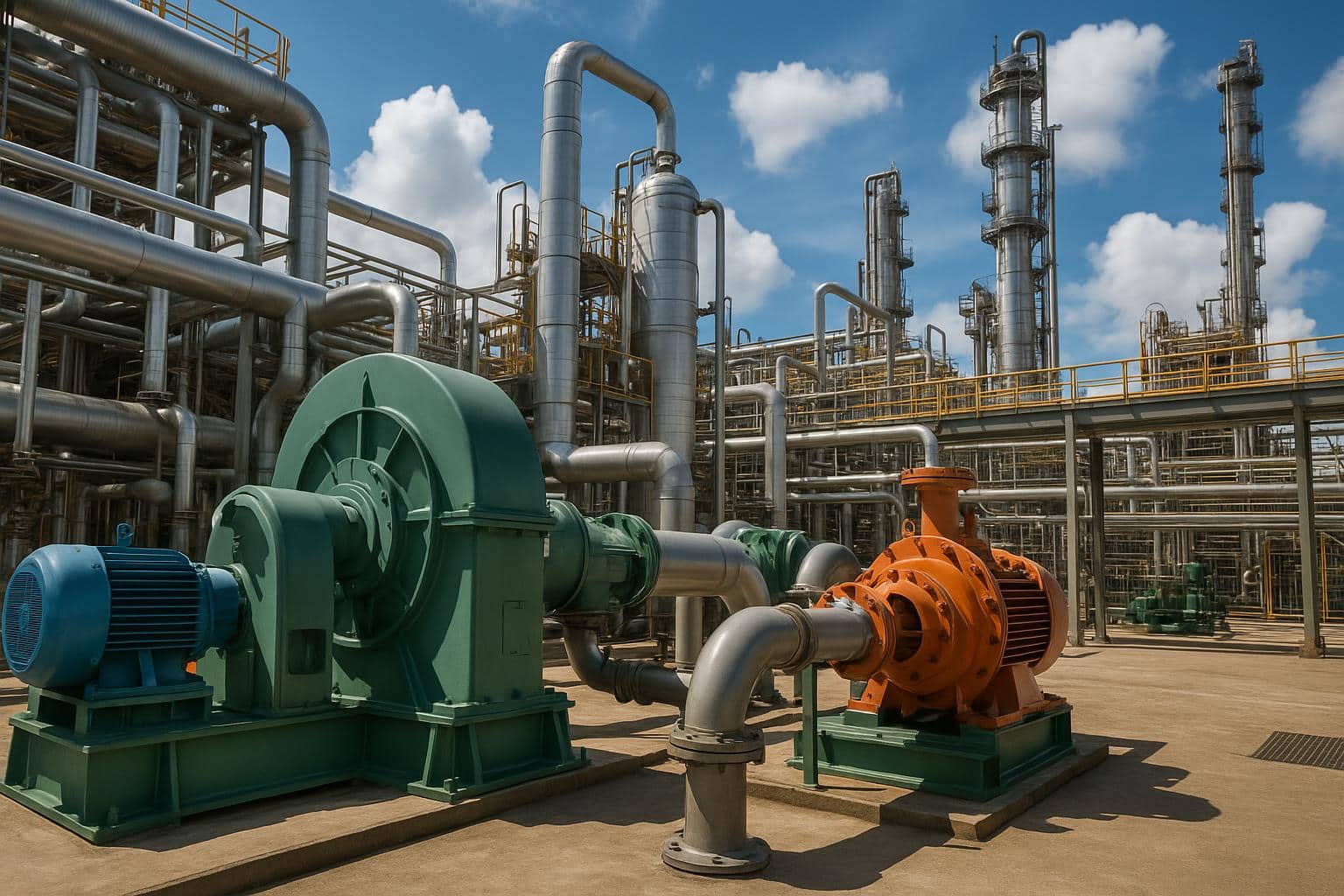
The Importance of Comprehensive Equipment Evaluation
Compressed air systems are complex, involving compressors, dryers, filters, storage tanks, and intricate piping networks. A superficial inspection cannot uncover all inefficiencies or potential points of failure. Comprehensive equipment evaluations are necessary to identify hidden issues, such as undersized piping, poorly maintained compressors, or faulty pressure regulators. An in-depth evaluation also reveals how system components interact, ensuring that improvements or repairs have a measurable impact on plant operations.
Checklist: What to Look for in a Compressed Air Audit Provider
Selecting an audit provider requires careful consideration. Use the following checklist to guide your selection process:
- Proven experience with industrial compressed air systems
- Certified auditors and technical staff
- Access to advanced diagnostic and monitoring tools
- Clear, actionable reporting with quantified savings
- Ability to recommend solutions, not just identify problems
- Support for ongoing maintenance and system optimization
- Transparent pricing and scope of work
- Positive industry references and case studies
This checklist ensures that your chosen audit partner brings both technical capability and industry insight, maximizing the value of your investment.
Specialized Restoration: Repair and Maintenance Capabilities
Beyond audits, it is crucial to consider a provider’s ability to perform specialized repairs and maintenance. For example, aging compressors or branded systems may require unique expertise. If your facility relies on legacy or specialized brands, partnering with a provider experienced in the founder’s field-tested service can be invaluable. These specialists understand the nuances of the brand’s equipment, ensuring repairs are performed efficiently and according to manufacturer specifications. This reduces the risk of costly mistakes and extends the lifespan of your assets.
Data-Driven Insights for Sustainable Efficiency
Modern compressed air audit companies harness data collection and real-time monitoring to inform their recommendations. By analyzing trends in energy consumption, pressure variations, and air quality, audits become more predictive and less reactive. Facilities benefit from continuous improvement, identifying minor inefficiencies before they escalate into major issues. Data-driven audits also make it easier to justify capital investments or system upgrades, as projected savings and ROI are clearly documented.
Integrating Audit Results with System Upgrades
After identifying inefficiencies, the next step is implementing corrective measures. This might involve upgrading aging compressors, installing variable speed drives, or optimizing system layout. If your plant operates legacy equipment, such as Atlas Copco compressors, it’s important to work with technicians experienced in atlas copco compressor repair. These professionals ensure that retrofits or repairs are executed flawlessly, preserving system integrity and minimizing downtime during transitions.
The Role of Training and Continuous Improvement
Even the best audit and repair work can be undermined by improper operation or lack of routine maintenance. Leading audit companies often offer training for in-house staff, equipping teams with the knowledge to maintain optimal performance. Continuous improvement programs, including periodic re-audits and performance monitoring, help facilities stay proactive—responding to changing demands, technology advancements, and evolving energy costs.
Conclusion
Maximizing industrial plant productivity through compressed air system audits and specialized restoration hinges on choosing the right partners and processes. By carefully selecting audit providers with proven expertise, comprehensive evaluation methods, and robust maintenance capabilities, facilities can uncover hidden inefficiencies, reduce costs, and extend equipment life. Integrating data-driven insights, specialized repairs, and ongoing training ensures sustainable improvements. As technology evolves and operational demands shift, a commitment to regular evaluation and targeted restoration will remain vital for long-term industrial efficiency.

