Buildings in Central London often incorporate residential, commercial, retail, and hospitality sectors. Several inhabitants may be impacted by drainage incidents in such buildings, necessitating coordination for access, hygienic practices, and business continuation. While guaranteeing that technical activity is founded on a precise diagnosis, a workable reaction strategy can help to minimise uncertainty.
When researching blocked drains central London, property owners should ask how a contractor identifies the location and cause of a restriction. A useful service combines practical response with evidence about what has been found.
A Realistic Property Scenario
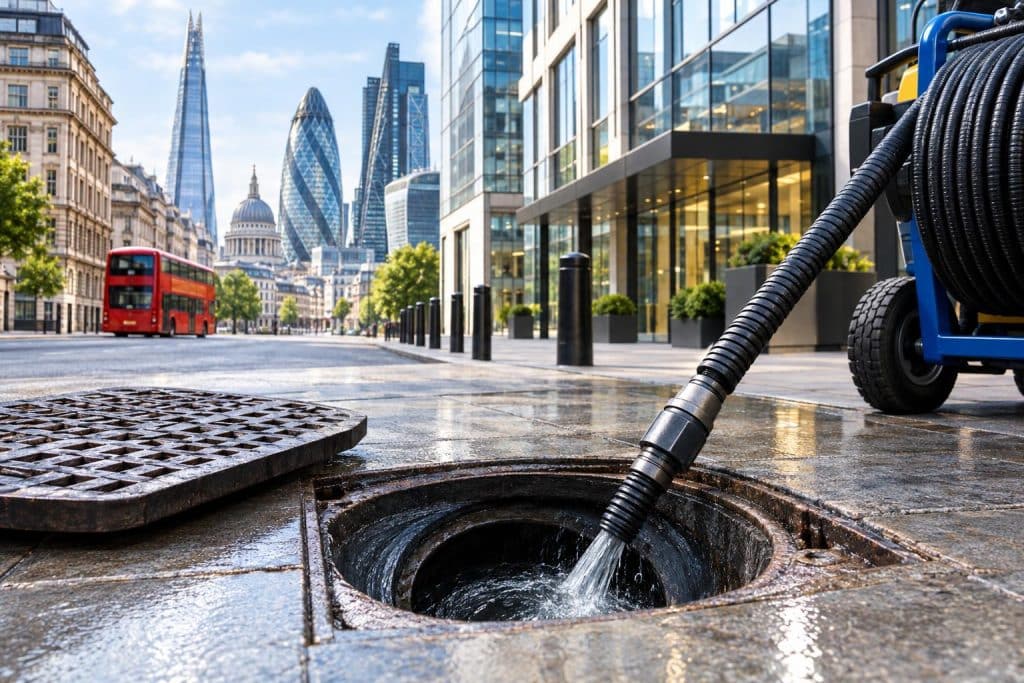
An overflowing basement gully during business hours has been reported by a mixed-use building. Tenants are informed, access to the impacted area is restricted, and an expert evaluation is scheduled by the facilities manager. They also determine which companies could require short-term adjustments to water usage while the connection is being examined.
Spotting the First Warning Signs
The safest clearing method depends on the pipe’s diameter, bends, materials, and current state. For delicate older pieces, a powerful approach that succeeds in one contemporary installation might not be suitable. Contractors should verify easily accessible inspection locations and provide an explanation for the preferred approach. Steer clear of homemade equipment and powerful chemicals that could pose more risks. Clear communication can help avoid recurrent water use during a backup in situations when several tenants or businesses share facilities. A manager should determine whether a common drainage section is involved, who needs to be informed, and who can grant access. Conflicting instructions can be avoided with the aid of documentation. Instead of making assumptions based on where symptoms manifest, responsibilities should be investigated.
Immediate Safety Precautions
Examining the impacted line, evaluating flow, and inspecting inspection chambers are all possible components of a professional examination. When obstructions persist or a structural flaw is detected, a CCTV survey can be warranted. Since not all irregularities need to be immediately excavated, camera images must be interpreted carefully. A helpful report reveals circumstances that have been seen and separates verified problems from potential ones. Attendance, the inquiry, and the labour involved should all be explained in a concise quotation. Repairs, specialised access, and additional surveys may incur additional expenses. Before approving significant additional work, the customer should be informed if new issues are found. When disruption puts pressure on a quick fix, transparency helps make well-informed judgements.
Identifying Affected Fixtures
When used by skilled personnel, high-pressure water jetting can eliminate some silt and grease deposits. Access, pressure, and nozzle selection must all be suitable for the state of the pipe. For other obstacles, mechanical tools may be appropriate. Restoring flow should not be mistaken with finishing a structural repair because neither approach automatically cures a cracked or collapsed portion. Following clearance, the contractor should verify that the impacted area drains normally and address any remaining issues. Maintain documentation of symptoms, results, and suggested follow-up. Instead of a never-ending string of band-aid solutions, recurring issues should be investigated more thoroughly. Later diagnosis is more effective when maintenance data are useful.
Understanding Pipe Layouts
Clear communication can help avoid recurrent water use during a backup in situations when several tenants or businesses share facilities. A manager should determine whether a common drainage section is involved, who needs to be informed, and who can grant access. Conflicting instructions can be avoided with the aid of documentation. Instead of making assumptions based on where symptoms manifest, responsibilities should be investigated. Regular garbage disposal practices are the first step toward prevention. Wipes and sanitary products should not be flushed, and cooking oil should not be thrown down sinks. It is possible to search accessible outdoor slopes for leaves and trash without going into small areas. These practices lessen unnecessary constraints, however they are unable to fix improper drainage gradients or faulty pipes.
Common Materials Behind Blockages
Attendance, the inquiry, and the labour involved should all be explained in a concise quotation. Repairs, specialised access, and additional surveys may incur additional expenses. Before approving significant additional work, the customer should be informed if new issues are found. When disruption puts pressure on a quick fix, transparency helps make well-informed judgements. Symptoms of drainage should be taken into account collectively rather than separately. While multiple fixtures backing up simultaneously may signal an issue further along the drainage system, a single sluggish washbasin may indicate a local trap constraint. Note the time, the rooms that are impacted, and any strange smells. Without treating every circumstance as the same issue, these observations assist the technician in determining probable causes.
Why Older Pipes Need Care
Following clearance, the contractor should verify that the impacted area drains normally and address any remaining issues. Maintain documentation of symptoms, results, and suggested follow-up. Instead of a never-ending string of band-aid solutions, recurring issues should be investigated more thoroughly. Later diagnosis is more effective when maintenance data are useful. Convenience must be restored after occupant protection. Avoid direct touch and keep kids and guests away from contaminated places since wastewater may contain dangerous germs. When sewage reaches residential or working areas, stop using fixtures that cause overflow and get professional help. When handling electrical equipment near standing water, take the necessary safety precautions.
Access Points and Inspection Chambers
Regular garbage disposal practices are the first step toward prevention. Wipes and sanitary products should not be flushed, and cooking oil should not be thrown down sinks. It is possible to search accessible outdoor slopes for leaves and trash without going into small areas. These practices lessen unnecessary constraints, however they are unable to fix improper drainage gradients or faulty pipes. Common causes of limits include grease, food remnants, wipes, and accumulated debris. Silt, misplaced joints, and root incursion can also affect outdoor lines. A single obstruction does not indicate that the pipe as a whole is damaged. The diagnosis should differentiate between structural flaws that might need independent correction and material that can be removed.
How Technicians Determine the Problem
Symptoms of drainage should be taken into account collectively rather than separately. While multiple fixtures backing up simultaneously may signal an issue further along the drainage system, a single sluggish washbasin may indicate a local trap constraint. Note the time, the rooms that are impacted, and any strange smells. Without treating every circumstance as the same issue, these observations assist the technician in determining probable causes. The safest clearing method depends on the pipe’s diameter, bends, materials, and current state. For delicate older pieces, a powerful approach that succeeds in one contemporary installation might not be suitable. Contractors should verify easily accessible inspection locations and provide an explanation for the preferred approach. Steer clear of homemade equipment and powerful chemicals that could pose more risks.
Methods of Mechanical Clearance
Convenience must be restored after occupant protection. Avoid direct touch and keep kids and guests away from contaminated places since wastewater may contain dangerous germs. When sewage reaches residential or working areas, stop using fixtures that cause overflow and get professional help. When handling electrical equipment near standing water, take the necessary safety precautions. Examining the impacted line, evaluating flow, and inspecting inspection chambers are all possible components of a professional examination. When obstructions persist or a structural flaw is detected, a CCTV survey can be warranted. Since not all irregularities need to be immediately excavated, camera images must be interpreted carefully. A helpful report reveals circumstances that have been seen and separates verified problems from potential ones.
The Boundaries of Water Jetting
Common causes of limits include grease, food remnants, wipes, and accumulated debris. Silt, misplaced joints, and root incursion can also affect outdoor lines. A single obstruction does not indicate that the pipe as a whole is damaged. The diagnosis should differentiate between structural flaws that might need independent correction and material that can be removed. When used by skilled personnel, high-pressure water jetting can eliminate some silt and grease deposits. Access, pressure, and nozzle selection must all be suitable for the state of the pipe. For other obstacles, mechanical tools may be appropriate. Restoring flow should not be mistaken with finishing a structural repair because neither approach automatically cures a cracked or collapsed portion.
When CCTV Evidence Is Beneficial
The safest clearing method depends on the pipe’s diameter, bends, materials, and current state. For delicate older pieces, a powerful approach that succeeds in one contemporary installation might not be suitable. Contractors should verify easily accessible inspection locations and provide an explanation for the preferred approach. Steer clear of homemade equipment and powerful chemicals that could pose more risks. Clear communication can help avoid recurrent water use during a backup in situations when several tenants or businesses share facilities. A manager should determine whether a common drainage section is involved, who needs to be informed, and who can grant access. Conflicting instructions can be avoided with the aid of documentation. Instead of making assumptions based on where symptoms manifest, responsibilities should be investigated.
Differentiating Between Damage and Blockage
Examining the impacted line, evaluating flow, and inspecting inspection chambers are all possible components of a professional examination. When obstructions persist or a structural flaw is detected, a CCTV survey can be warranted. Since not all irregularities need to be immediately excavated, camera images must be interpreted carefully. A helpful report reveals circumstances that have been seen and separates verified problems from potential ones. Attendance, the inquiry, and the labour involved should all be explained in a concise quotation. Repairs, specialised access, and additional surveys may incur additional expenses. Before approving significant additional work, the customer should be informed if new issues are found. When disruption puts pressure on a quick fix, transparency helps make well-informed judgements.
Organising Contractors and Occupants
When used by skilled personnel, high-pressure water jetting can eliminate some silt and grease deposits. Access, pressure, and nozzle selection must all be suitable for the state of the pipe. For other obstacles, mechanical tools may be appropriate. Restoring flow should not be mistaken with finishing a structural repair because neither approach automatically cures a cracked or collapsed portion. Following clearance, the contractor should verify that the impacted area drains normally and address any remaining issues. Maintain documentation of symptoms, results, and suggested follow-up. Instead of a never-ending string of band-aid solutions, recurring issues should be investigated more thoroughly. Later diagnosis is more effective when maintenance data are useful.
Recognising Expenses and Scope
Clear communication can help avoid recurrent water use during a backup in situations when several tenants or businesses share facilities. A manager should determine whether a common drainage section is involved, who needs to be informed, and who can grant access. Conflicting instructions can be avoided with the aid of documentation. Instead of making assumptions based on where symptoms manifest, responsibilities should be investigated. Regular garbage disposal practices are the first step toward prevention. Wipes and sanitary products should not be flushed, and cooking oil should not be thrown down sinks. It is possible to search accessible outdoor slopes for leaves and trash without going into small areas. These practices lessen unnecessary constraints, however they are unable to fix improper drainage gradients or faulty pipes.
Documenting the Completed Work
Attendance, the inquiry, and the labour involved should all be explained in a concise quotation. Repairs, specialised access, and additional surveys may incur additional expenses. Before approving significant additional work, the customer should be informed if new issues are found. When disruption puts pressure on a quick fix, transparency helps make well-informed judgements. Symptoms of drainage should be taken into account collectively rather than separately. While multiple fixtures backing up simultaneously may signal an issue further along the drainage system, a single sluggish washbasin may indicate a local trap constraint. Note the time, the rooms that are impacted, and any strange smells. Without treating every circumstance as the same issue, these observations assist the technician in determining probable causes.
Examining Drainage Following Clearance
Following clearance, the contractor should verify that the impacted area drains normally and address any remaining issues. Maintain documentation of symptoms, results, and suggested follow-up. Instead of a never-ending string of band-aid solutions, recurring issues should be investigated more thoroughly. Later diagnosis is more effective when maintenance data are useful. Convenience must be restored after occupant protection. Avoid direct touch and keep kids and guests away from contaminated places since wastewater may contain dangerous germs. When sewage reaches residential or working areas, stop using fixtures that cause overflow and get professional help. When handling electrical equipment near standing water, take the necessary safety precautions.
Avoiding the Buildup of Kitchen Grease
Regular garbage disposal practices are the first step toward prevention. Wipes and sanitary products should not be flushed, and cooking oil should not be thrown down sinks. It is possible to search accessible outdoor slopes for leaves and trash without going into small areas. These practices lessen unnecessary constraints, however they are unable to fix improper drainage gradients or faulty pipes. Common causes of limits include grease, food remnants, wipes, and accumulated debris. Silt, misplaced joints, and root incursion can also affect outdoor lines. A single obstruction does not indicate that the pipe as a whole is damaged. The diagnosis should differentiate between structural flaws that might need independent correction and material that can be removed.
Waste and Flushing Practices in the Bathroom
Symptoms of drainage should be taken into account collectively rather than separately. While multiple fixtures backing up simultaneously may signal an issue further along the drainage system, a single sluggish washbasin may indicate a local trap constraint. Note the time, the rooms that are impacted, and any strange smells. Without treating every circumstance as the same issue, these observations assist the technician in determining probable causes. The safest clearing method depends on the pipe’s diameter, bends, materials, and current state. For delicate older pieces, a powerful approach that succeeds in one contemporary installation might not be suitable. Contractors should verify easily accessible inspection locations and provide an explanation for the preferred approach. Steer clear of homemade equipment and powerful chemicals that could pose more risks.
Surface Water and Outdoor Gullies
Convenience must be restored after occupant protection. Avoid direct touch and keep kids and guests away from contaminated places since wastewater may contain dangerous germs. When sewage reaches residential or working areas, stop using fixtures that cause overflow and get professional help. When handling electrical equipment near standing water, take the necessary safety precautions. Examining the impacted line, evaluating flow, and inspecting inspection chambers are all possible components of a professional examination. When obstructions persist or a structural flaw is detected, a CCTV survey can be warranted. Since not all irregularities need to be immediately excavated, camera images must be interpreted carefully. A helpful report reveals circumstances that have been seen and separates verified problems from potential ones.
Handling Recurring Incidents
Common causes of limits include grease, food remnants, wipes, and accumulated debris. Silt, misplaced joints, and root incursion can also affect outdoor lines. A single obstruction does not indicate that the pipe as a whole is damaged. The diagnosis should differentiate between structural flaws that might need independent correction and material that can be removed. When used by skilled personnel, high-pressure water jetting can eliminate some silt and grease deposits. Access, pressure, and nozzle selection must all be suitable for the state of the pipe. For other obstacles, mechanical tools may be appropriate. Restoring flow should not be mistaken with finishing a structural repair because neither approach automatically cures a cracked or collapsed portion.
Making Future Maintenance Plans
The safest clearing method depends on the pipe’s diameter, bends, materials, and current state. For delicate older pieces, a powerful approach that succeeds in one contemporary installation might not be suitable. Contractors should verify easily accessible inspection locations and provide an explanation for the preferred approach. Steer clear of homemade equipment and powerful chemicals that could pose more risks. Clear communication can help avoid recurrent water use during a backup in situations when several tenants or businesses share facilities. A manager should determine whether a common drainage section is involved, who needs to be informed, and who can grant access. Conflicting instructions can be avoided with the aid of documentation. Instead of making assumptions based on where symptoms manifest, responsibilities should be investigated.
Choosing Professional Help
When considering Quick Clear Drainage drain clearance, ask about assessment, clearing methods, the likely disruption and any further repair that might be necessary. A clear explanation is more useful than a guarantee offered before inspection.
Final Perspective
Reliable drainage depends on appropriate investigation, safe clearance and realistic prevention. When a problem returns, the next step should be informed by evidence from the system rather than repeated assumptions.