Quick Summary
- A temperature pyrometer reads hot steel surfaces without touching them.
- Good readings help you control how billets and slabs heat up before rolling.
- The right instrument keeps processing steady and cuts down on unnecessary reheating.
- Clean lenses and regular checks keep the readings dependable.
A billet can look ready for rolling and still have uneven surface temperatures. For steel plants in Malaysia, that difference matters. If steel leaves a reheating furnace too cold, rolling conditions can suffer. Overheat it, and you get extra oxidation and scale, which means you’re losing material you’ve already paid to heat.
Furnace monitoring helps operators catch these problems early. But a reading of the furnace atmosphere doesn’t tell you how hot the steel surface really is. Those are two different numbers answering two different questions. A reliable temperature pyrometer lets your team check the steel itself and adjust the furnace based on what they actually see.
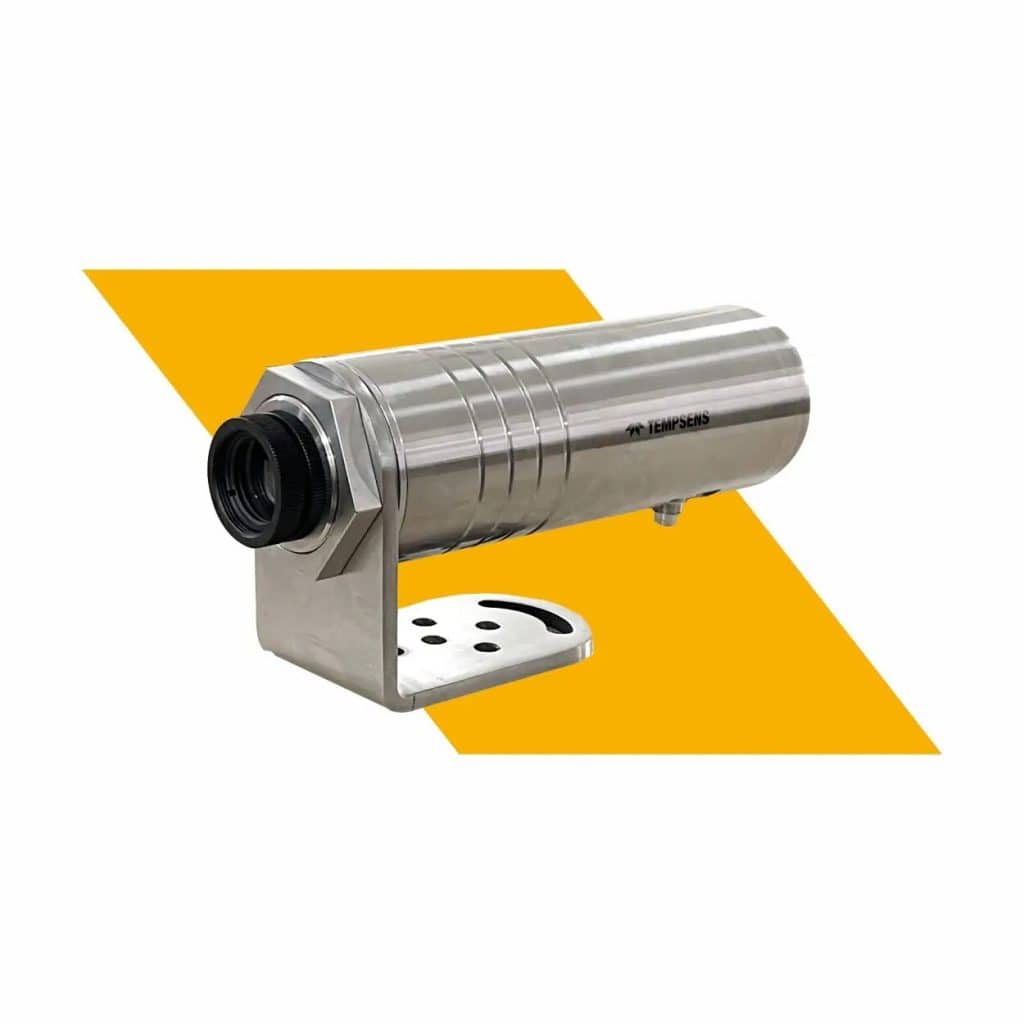
How a Temperature Pyrometer Measures Furnace Heat Without Contact
An infrared pyrometer picks up the thermal radiation a surface gives off and turns that signal into a temperature. It never touches the steel.
That’s handy for billets and slabs on the move, where a contact probe just isn’t practical in a hot production area.
Fixed pyrometers keep an eye on chosen points all day, while portable ones suit inspections and troubleshooting. Which one you need depends on the job.
Accuracy isn’t automatic. Surface emissivity, viewing angle, background radiation and target size all change the reading, so engineers have to think about them at installation. Skip that step and a number that looks precise might say very little about the real surface temperature.
Where Pyrometers Improve Temperature Control in Steel Production
A pyrometer earns its place wherever the steel’s temperature decides what happens next.
- Reheating furnace exits- check billet or slab temperature just before it heads into the rolling mill.
- Hot rolling mills- readings between stages show whether the steel is still inside the range it needs.
- Heat treatment lines- watch the surface temperature through a controlled heating cycle.
- Continuous production lines- fixed units feed readings into monitoring systems, so operators spot drift quickly.
Consider a furnace where billets repeatedly leave one section hotter than another. Engineers can compare temperature readings across the discharge area and investigate burner distribution, billet positioning or airflow. The readings help narrow the problem instead of relying entirely on furnace settings.
That distinction matters. A furnace control setting shows what the system is trying to achieve, not necessarily the temperature of every steel surface.
Choosing the Right Pyrometer for Malaysian Steel Furnace Conditions
The best temperature pyrometer depends on the material, operating temperature and installation environment. Buying an instrument solely because its temperature range looks suitable can lead to measurement problems.
Before choosing a model, plant engineers should check a few things:
- Temperature range- does it cover what the furnace really runs at?
- Optical resolution- the measurement spot has to sit fully on the target surface.
- Wavelength- think about the steel surface and the radiation bouncing around the furnace.
- Installation conditions- dust, vibration, heat and tight sightlines all play a part.
- Signal output- it needs to work with the controllers and monitoring gear you already have.
Single-colour and two-colour pyrometers do different jobs. A two-colour unit can help when the signal is partly blocked, but whether it works depends on the instrument design and what’s causing the obstruction.
Practical Steps to Improve Furnace Monitoring Accuracy
Even a well-suited instrument will give bad readings if the optical path is dirty or the setup’s off.
Maintenance and instrumentation teams should clean the lenses and viewing ports, check alignment, and confirm the emissivity settings suit the application. Follow the manufacturer’s calibration guidance. And write down any deviation that keeps coming back.
Trending readings over time helps too. If a temperature gap shows up at the same furnace position again and again, you’ve got a clear starting point for hunting down the cause.
Final Words
Better furnace monitoring starts with knowing the temperature of the steel, not just the furnace around it. Tempsens, a manufacturer of industrial temperature measurement solutions, offers pyrometer options for demanding high-temperature work. Get the right instrument, install it properly, look after it, and Malaysian steel plants can make better process decisions.
FAQs
1. What is a temperature pyrometer used for in a steel plant?
It measures the surface temperature of hot steel without touching it. Plants use it for furnace monitoring, rolling operations and heat treatment.
2. Can a pyrometer measure billet temperature at a furnace exit?
Yes. The instrument just has to suit the billet’s temperature, surface, target size and viewing conditions.
3. What affects pyrometer accuracy in a steel furnace?
Emissivity, background radiation, dust, optical alignment and measurement spot size can all shift the readings.
4. How often should industrial pyrometers be calibrated?
It varies. Operating conditions, quality requirements, the manufacturer’s advice and your plant’s own calibration procedures all feed into it.