


My brand-new Mac Studio with an M3 Ultra and 96GB RAM; the screen went black within minutes of having approved the macOS 26 Tahoe update. What had been a clean installation became a black screen that would not yield. Here’s precisely what went wrong, and the journey to recovery that eventually saw Big Sur return — and just what every pro working with Apple Silicon needs virtually to sit through before they click Upgrade.
What happened during the upgrade on an M3 Ultra Mac Studio
The installer was done with its first pass and the computer restarted, but it became stuck at a black screen. No login window. No recovery mode. Power cycling didn’t help. The pattern lines up with reports from Apple Support Communities and developer channels of a driver check being performed at installation time — specifically around the Apple Neural Engine (ANE) in some M3 Ultra setups — that was causing the installer to give up in an inelegant fashion.
- What happened during the upgrade on an M3 Ultra Mac Studio
- The only fix that worked: DFU Revive or DFU Restore
- Why some M3 Ultra systems are getting stuck
- What to do before you upgrade to macOS 26 Tahoe
- If your Mac Studio is already a brick, try this first
- Bottom line for pro users upgrading to macOS 26 Tahoe
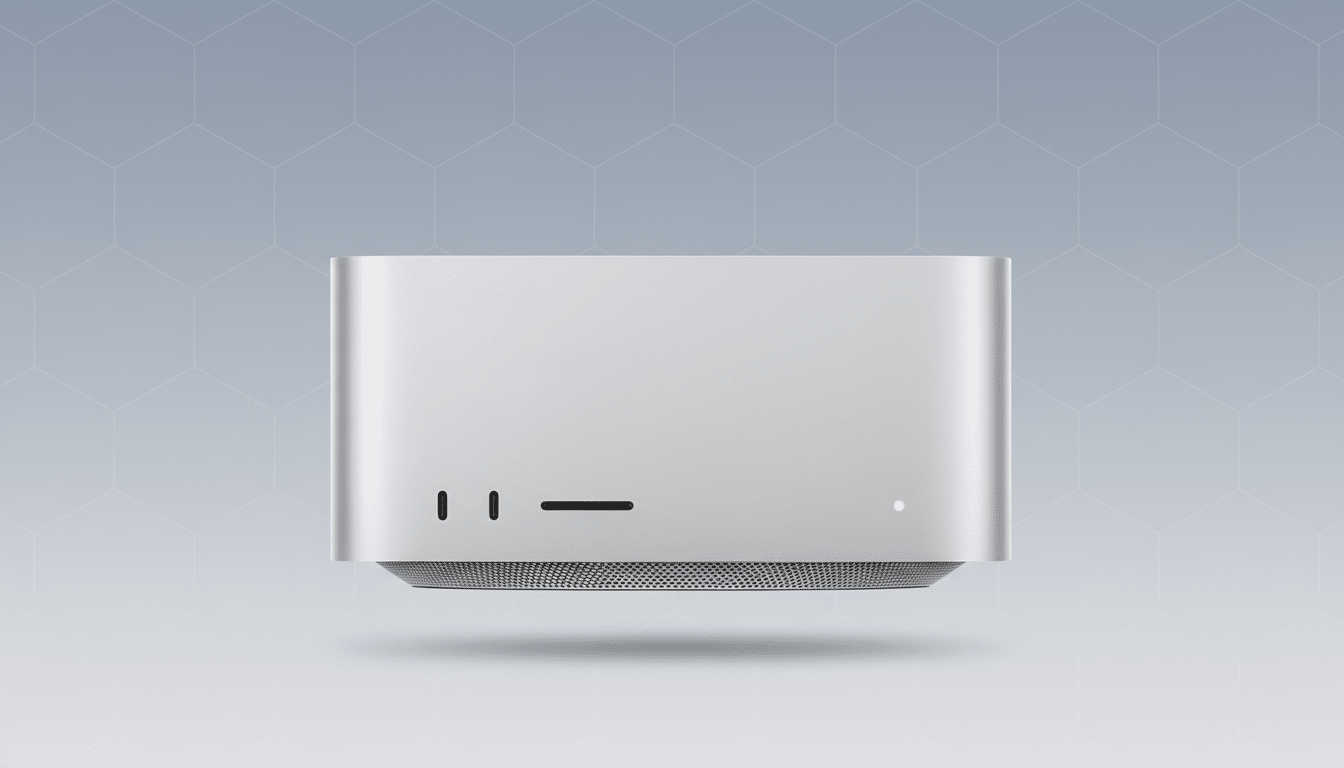
In some cases, the upgrade reverts to the former macOS version (it did not for me). The machine appeared bricked. Not even Apple Silicon’s normal recovery options like standard recovery mode were accessible. That’s when the more profound, firmware-level rescue became the one option of a practical nature left on the table.
The only fix that worked: DFU Revive or DFU Restore
Apple’s official response for a dead Apple Silicon Mac is to do a DFU Revive or DFU Restore with another Mac and a USB‑C cable. This isn’t the same as Internet Recovery, but rather lower-level firmware remediation through Apple Configurator.
What you will need: a second Mac running Apple Configurator, a known-good USB‑C data cable (not a Thunderbolt-only cable), and access to the proper DFU port on the impacted Mac Studio.
Note: according to Apple’s documentation, use the appropriate DFU port for your model and disconnect other USB devices to minimize variables.
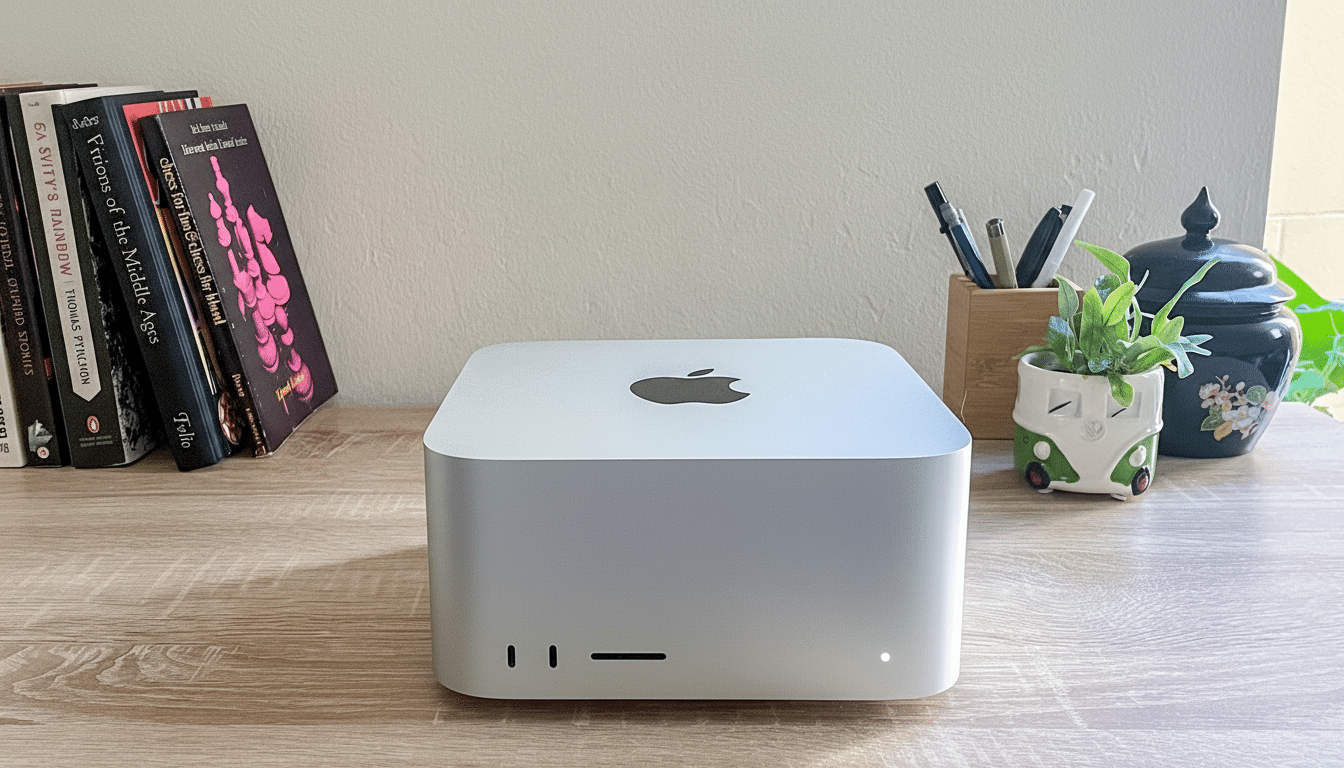
The sequence that ultimately brought an answer:
- Shut down the bricked Mac Studio and unplug power.
- Plug one end of the USB‑C cable into the DFU port on your Mac Studio, and the other end to your working Mac.
- Launch Apple Configurator on the working Mac.
- Press and hold the power button on your Mac Studio, plug in power while holding it down, and continue holding until your Mac shows up in Apple Configurator as a DFU device.
- Do Revive first (this tries to fix the firmware and recovery OS without deleting your data). If that doesn’t work, try Restore (reinstalls the firmware and OS; data loss is possible).
Revive ran for over an hour in my case and then failed. Restore also did not work on the first try. But after a pull-the-plug, wait-a-bit reset and power on again, I was greeted with a login screen — proof that the firmware manipulations had taken even if Apple Configurator wasn’t declaring victory. YMMV (your mileage may vary), but it’s a nudge to retry power and cable steps over the top of DFU operations.
Why some M3 Ultra systems are getting stuck
Apple’s system volume, if not your disk or drive, is sealed and has a hardware security pipeline designed to make sure it won’t accept anything but integrity-tested kernels and components — no driver or component in a major upgrade should be able to pass unchecked. So whenever a hardware-specific thing (such as the ANE driver on some particular M‑series variant) doesn’t pass verification or initialize correctly halfway through an upgrade, macOS ought to roll back. The problem comes when that rollback fails to finish, and the machine can’t boot either the new or old system snapshot. That’s when DFU becomes essential.
Apple has noted fixes for the impacted configurations, but user reports indicate that edge cases linger. IT administrators in enterprises I’ve spoken with wait for early point updates to knock these corner cases out before launching a major macOS release on mission-critical hardware.
What to do before you upgrade to macOS 26 Tahoe
- Perform a full verified backup. Time Machine is great; a bootable clone gives you another line of defense. Test a small file flash recovery to check the consistency.
- On production machines, wait for the first or second point release. This is pretty standard in pro studios and enterprise fleets.
- Hunt the upgrade blockers relevant to your chip and config on Apple Support Communities, the Apple Developer site, and key admin forums.
- Disconnect secondary peripherals or drives during installation to reduce the likelihood of driver conflicts.
- If you depend on apps that lean on the ANE or GPU acceleration (your video editors, ML tools), scan vendor notes for confirmed Tahoe compatibility.
If your Mac Studio is already a brick, try this first
- Attempt a normal reboot and an extended wait sequence. Some “black screen” states dismiss once other stages of installs finish.
- Try recovery mode or safe mode. If you see neither of these, continue to DFU.
- Require a DFU Revive before Restore for the highest chance of successful data preservation. Restore will delete the system volume, so get ready for that.
- If DFU fails repeatedly, switch cables and ports, have no USB devices plugged in and try again. Cable quality matters.
- When in doubt, trust the Genius Bar. Apple can reflash firmware on site and report hardware health.
Bottom line for pro users upgrading to macOS 26 Tahoe
A $3,700 Mac Studio that bricks on a reasonably routine major upgrade? That’s the nightmare scenario for creators and engineers working under deadlines. Good news: Apple’s DFU tooling can often save the day, provided you have the right cable and a second Mac, and that you’re patient. A smarter play, however, is to treat Tahoe as any major platform release: stage it, shake it, and not until then roll it out to your working-day workstation.
