


Lutron is applying a dose of common sense to window coverings with new Caseta smart wood blinds that automatically tilt to cut the glare but avoid turning rooms into dark caves. Launched at CES, the thing’s “NLO” (Natural Light Optimization) tech purports to tilt slats based on time of day and season, opening at dawn and closing up at dusk while also making changes depending on which way your window is facing. The goal is straightforward yet effective: let natural light in all you want, while preventing the harsh rays from ruining your screens and furnishings or causing your eyeballs to melt.
How Sun-Aware Automation Works to Manage Glare
Natural Light Optimization, instead of using light sensors to gauge the sun’s position and trajectory at any given moment, computes it in advance based on astronomical data and the compass direction your window is facing. The slats in a south-facing living room will be angled differently than those for an east-facing home office — and the angles are updated as the sun’s path moves with the seasons. Think of it as a rolling, location-sensitive schedule; it quietly shuffles slats to save daylight while dashing the direct beams that result in reflections, eye strain and heat gain.
- How Sun-Aware Automation Works to Manage Glare
- Why Effective Glare Control Matters for Your Home
- Controls, Compatibility, and Notable Feature Limits
- DIY Installation and Battery Life Expectations
- Price Positioning in a Crowded Smart Shades Market
- Real Homes, Real Benefits from Sun-Aware Blinds
- Availability and Who Should Buy These Smart Blinds
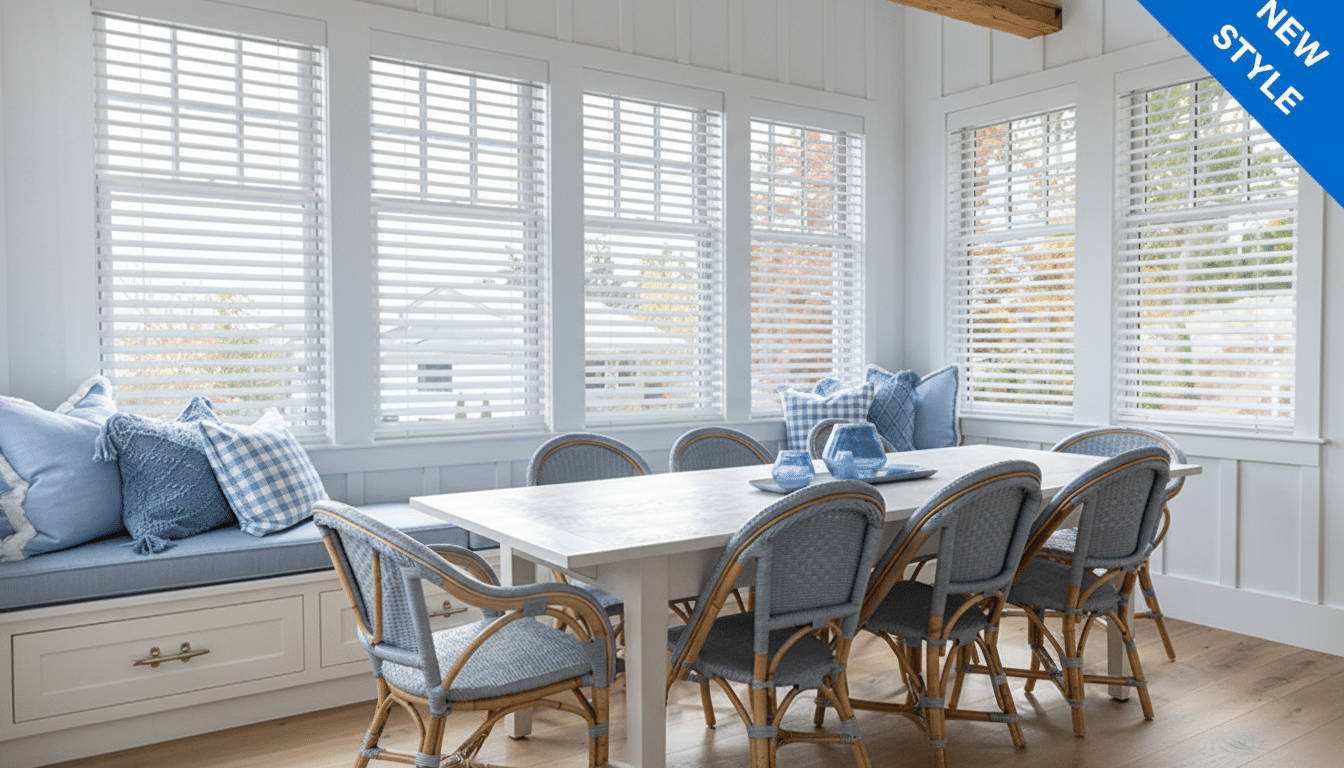
That design choice comes with upsides — no finicky sensors to calibrate, no wired power — and a trade-off. In cloudy weather, the blinds could still tilt to shut out the sun that wouldn’t appear. Lutron provides manual control through the included remote, a mobile app and voice assistants so you can override automation when the weather is in your favor.
Why Effective Glare Control Matters for Your Home
It doesn’t just come down to comfort. The U.S. Department of Energy says windows can represent up to 30 percent of a home’s heating energy losses, and as much as 76% of sunlight that strikes standard windows becomes unwanted heat in summer. Automated window shading that follows the position of the sun can help to reduce cooling loads and keep rooms more stable without using blackout tactics.
Good daylight is also a performance matter. A Cornell University ergonomics study associated better daylighting with a 51% decrease in eye strain and a 63% reduction in headaches for employees working inside. Sun-aware blinds can help find that balance; they spread the direct rays, but bring ambience up to a brightness level conducive to feeling comfortable and alert.
Controls, Compatibility, and Notable Feature Limits
You can schedule the Caseta smart wood blinds to open and close, use the included remote control to move them on demand, or do it in the app. Lutron is also compatible with voice control across major platforms, including Amazon Alexa and Google Assistant, making it handy to give quick commands such as “open the blinds” or “tilt to 50%.”
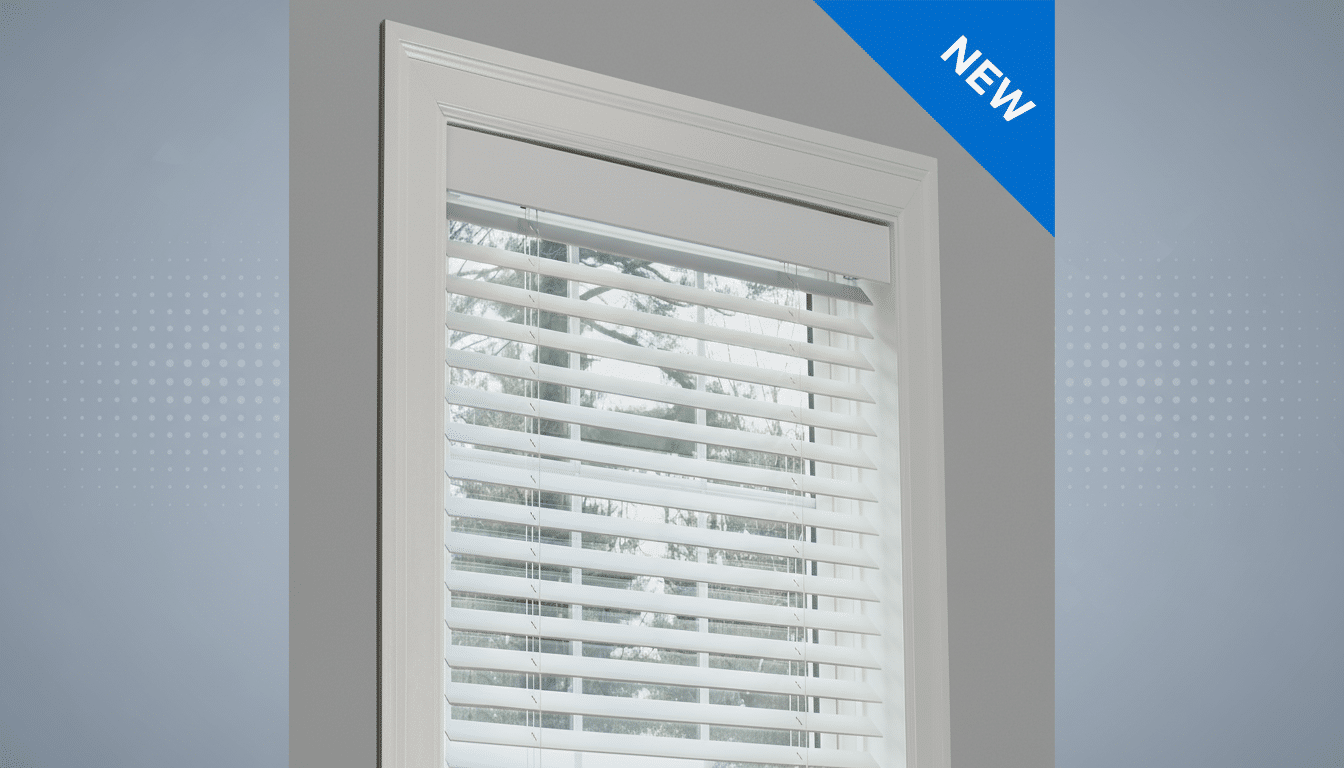
It’s important to note what these blinds don’t do: they can’t measure real-time brightness. If you want automation that kicks in when a cloud goes by or a glare smacks against your monitor, you’ll have to set up time-based scenes or just nudge the slats with a tap or voice command. A set-and-forget schedule based on the position of the sun will be close enough for many people most days.
DIY Installation and Battery Life Expectations
Lutron markets these as a DIY product. The company says installation is simple and that power comes from replaceable batteries located behind a front panel on the headrail; replacements provide easy swaps. The exact battery type varies by shade size, but longevity is the headline: Lutron says you can go three to five years between replacements under normal use, a whole lot longer than many motorized shade systems that will require charging more frequently.
Price Positioning in a Crowded Smart Shades Market
Beginning at $429, the Caseta smart wood blinds fall into a middle lane for motorized window treatments. Low-priced smart shades — such as roller styles from popular mass-market companies — are available for under $200, but don’t offer the exacting light control of tilting slats. On the high end, custom systems from fancy manufacturers with installation averaging north of $1,000 a window isn’t uncommon. With the aesthetics of a wood blind, sun-aware automation and DIY installation combined, Lutron’s pricing will appeal to buyers who want more than basic up/down motors but don’t need full bespoke solutions.
Real Homes, Real Benefits from Sun-Aware Blinds
Imagine an east-facing home office: these blinds raise and then automatically tilt downward at dawn to beat the glare creeping across the desk as the sun is coming up, while still retaining that ambient daylight that makes working in the morning bearable. In a family room facing west, late-day angles can block low sun that will wash out TV screens while keeping the room bright enough to avoid overhead lights. During those hours, bedrooms, say, might default to a privacy tilt at night and gradually open in the morning for a more natural wake-up.
Availability and Who Should Buy These Smart Blinds
The Caseta smart wood blinds are available for order starting today. They are best suited to homes that appreciate natural light but don’t like dealing with glare, especially in rooms that have direct morning or afternoon sun. It’s why a more intelligent form of light control that requires minimal micromanagement — sun-aware automation that subtly tilts slats up and down during the day to follow the sunlight — makes good sense, and it actually could pay dividends in terms of comfort, productivity and energy savings.
