


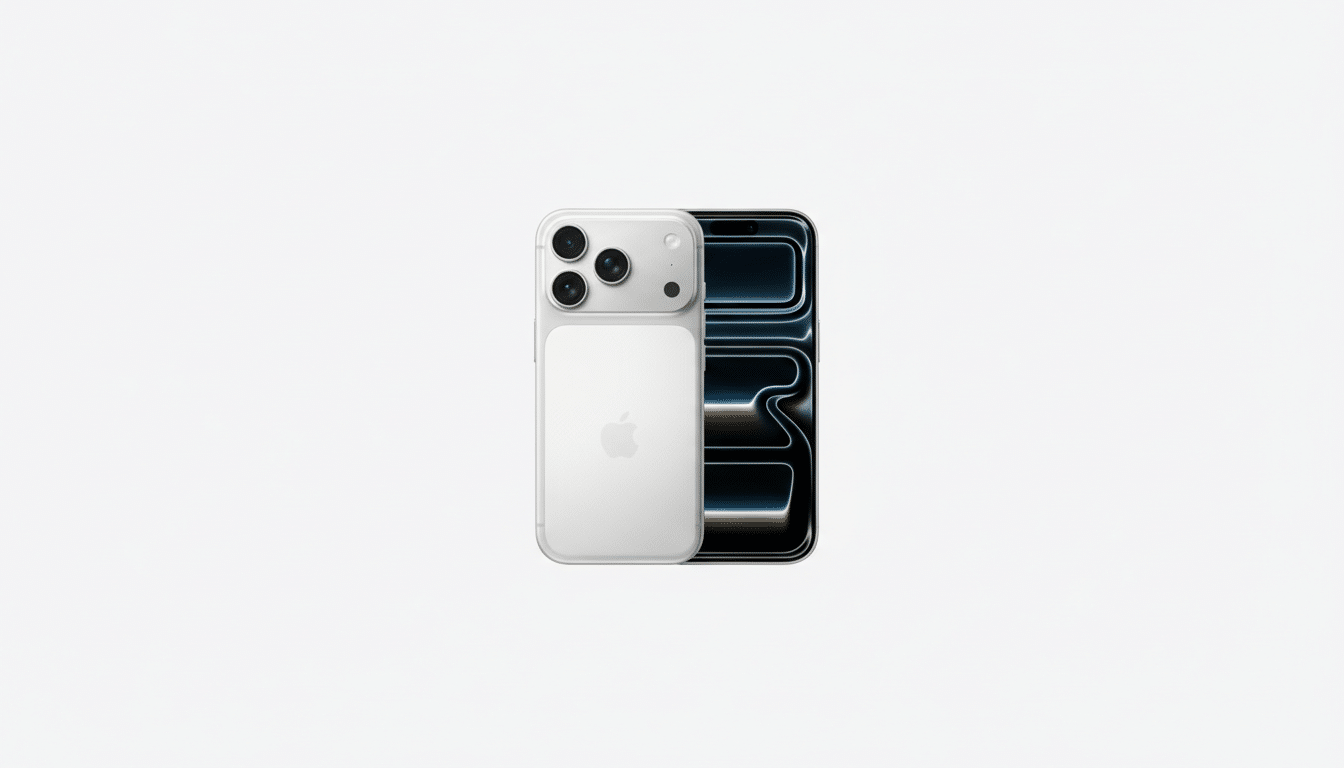
Apple is expected to carry over the iPhone 17 Pro’s industrial design to the iPhone 18 Pro, according to a claim from the Weibo account Fixed Focus Digital, surfaced by MacRumors. The leaker asserts that strong market reception for the current lineup has reduced the urgency for another visual overhaul, with Apple instead prioritizing performance and silicon upgrades.
Why Apple May Stick With the iPhone 17 Look
The iPhone 17 Pro family marked Apple’s first major Pro redesign since iPhone 12 Pro, introducing a broader camera plateau, a two-tone back, and bolder finishes. While reactions were mixed among enthusiasts, early indicators suggest the redesign helped spark demand, aligning with Apple’s recent report of record iPhone momentum and an installed base surpassing 2.5 billion active devices, per company disclosures.

Design continuity also brings practical advantages. Keeping the chassis architecture steady for a second year can improve manufacturing yields, stabilize accessory ecosystems, and let Apple concentrate resources on components that move the needle for speed, battery life, and on-device intelligence. It’s a playbook Apple has used before during so-called “S-year” cycles that emphasize internal gains over external changes.
Performance Takes the Spotlight in iPhone 18 Pro
The report points to Apple’s A20 and A20 Pro as the centerpiece upgrades for iPhone 18 Pro. These chips are widely expected to be Apple’s first on TSMC’s 2nm process, which the foundry has touted as delivering roughly 10–15% better speed at the same power or 25–30% lower power at the same performance versus its 3nm generation. In real terms, that could translate to faster sustained performance, cooler thermals, and longer battery life under heavy workloads.
Expect Apple to channel those gains into areas where it’s been investing heavily: camera processing, graphics efficiency for high-refresh gaming, and neural network acceleration. The company’s recent software direction underscores the importance of fast, private on-device AI, and a 2nm jump would give Apple headroom for more ambitious features without compromising runtime.
Front Camera and Face ID Rumors Point to Changes
Interestingly, staying the course on the rear design doesn’t rule out notable front-facing changes. YouTuber Jon Prosser has tipped a left-aligned punch-hole camera and under-display Face ID hardware, a move that would shrink the camera cutout and potentially push the Dynamic Island toward a more minimal presence. If accurate, Apple could refine the viewing area without altering the overall silhouette or materials.
Under-display components are notoriously tricky, often battling light transmission and color uniformity issues. Apple’s track record suggests it will prioritize consistent display quality and low-light selfie performance, so any transition here would likely indicate that panel and sensor yields have reached acceptable levels.
What It Means for Buyers and the Premium Market
For upgraders, the takeaway is simple: don’t expect a radically different-looking iPhone 18 Pro from the back. Do expect a focus on speed, efficiency, and computational photography—areas that tend to outlast aesthetic trends. Historically, Apple’s biggest year-over-year user benefits often come from silicon and camera systems rather than external tweaks.
Market-wise, a steady design could help Apple maintain accessory compatibility and scale production as it navigates a premium segment that research firms like Counterpoint and IDC say it continues to grow. Separate supply chain chatter has also floated the possibility of a foldable iPhone arriving in the same window, while other leakers suggest component cost pressures—such as memory—may be manageable without pushing prices higher. As always with pre-launch rumors, details can change, but the broad theme is clear: Apple appears content with the iPhone 17 blueprint and ready to pour its energy into making the iPhone 18 Pro measurably faster and smarter.
