


Bridgerton creator Julia Quinn is embracing the show’s boldest turns, championing the fan-favorite Benophie pairing while backing the decision to gender flip Michael Stirling to Michaela for Francesca’s arc. In a wide-ranging conversation about class, consent, and the so-called “yearnaissance,” Quinn argues the core of her stories—joy, guilt, and hard-won happy endings—remains intact even as the Netflix juggernaut expands who gets to see themselves at the center of a Regency romance.
Why Benophie Still Works in a Cross-Class Regency Romance
The third Bridgerton novel, An Offer from a Gentleman, hinges on the impossibility of Benedict Bridgerton falling for Sophie Beckett, a woman trapped by class and circumstance. Quinn stresses that for a true Regency reader, the stakes are enormous: cross-class marriages among the British nobility were rare and reputationally perilous. That’s precisely why the conflict lands—Benedict must choose not a loophole but a life-altering leap.
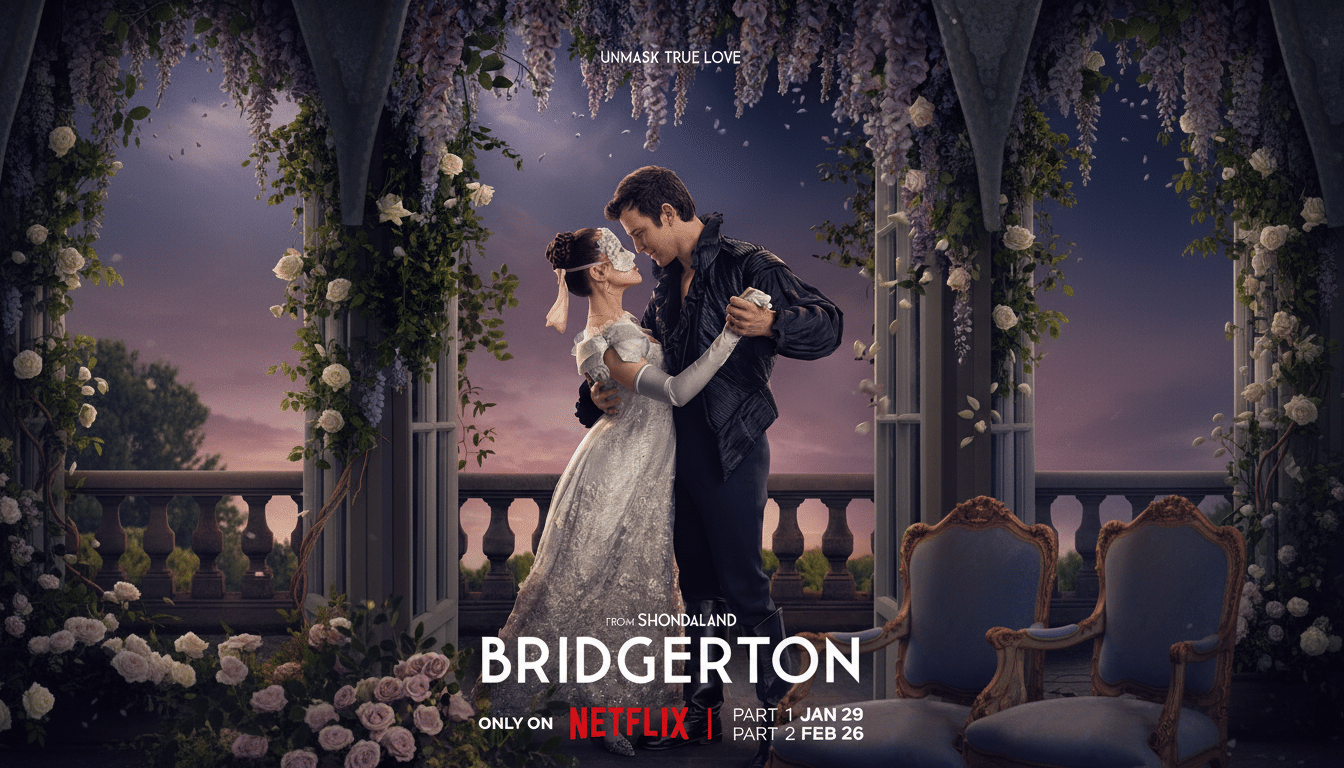
Modern viewers sometimes read Benedict’s early “solution” as predatory; Quinn sees it as a man of his time trying, and failing, to reconcile desire with rigid norms. The nuance matters: for Sophie, domestic service is exposure to precarity; employment in a powerful household can be genuine protection. The story’s momentum is Benedict learning that love demands more than benevolence—it demands dismantling his own privilege.
Gender Flipping and Queer Inclusion in Bridgerton’s Story
In the screen adaptation of When He Was Wicked, Michael becomes Michaela, setting up Bridgerton’s first leading queer love story. Quinn’s priority is thematic fidelity: Francesca’s grief, and the searing guilt shared by two people falling in love in the long shadow of a beloved husband and best friend, remains the spine of the tale. Change the gender; keep the moral weight, the longing, and the cost.
The move widens representation without rewriting the original novels, which continue to exist for readers who cherish them. Industry context supports the shift: GLAAD’s Where We Are on TV reports have tracked uneven but meaningful gains in LGBTQ characters across mainstream series, yet period dramas rarely center queer romance with unambiguous happy endings. Bridgerton putting a queer couple at the heart of a future season is not only culturally resonant; it’s historically significant for the genre.
Shipping Wars and a Durable Fandom Across Bridgerton Pairings
Quinn watches the fandom fray—Benophie versus Kanthony versus Polin—with affectionate bemusement. The passion is proof of resonance: each pairing taps a different fantasy—Cinderella uplift, enemies-to-lovers bite, wallflower’s glow-up. Her evergreen reminder is simple: in this universe, everyone earns a happy ending. Shipping is sport; the destination is guaranteed.
Inside the Yearnaissance and the Slow-Burn Regency Appeal
The “yearnaissance” isn’t marketing spin; it’s a structural feature of Regency romance. Distance, propriety, and duty engineer slow-burn friction. Quinn jokes about characters seeking literal cold water when temptation spikes—a wry nod to the way historical constraints intensify emotion. No texts, no shortcuts; desire has to travel the long way round.
Data tracks the appetite. NPD BookScan reported a 52% jump in U.S. print romance sales year over year during the recent boom, with BookTok-fueled discovery lifting both contemporary and historical titles. Independent romance-focused bookstores have opened in major cities, and library systems report sustained holds for historical romance backlists. In other words, yearning scales.
Quinn argues the era’s “sweet spot” helps. It’s distant enough to feel fairy-tale, yet modern enough that characters’ ambitions and insecurities read as familiar. Benedict’s frustration at being “second son first,” or Penelope’s struggle to align inner confidence with public voice, feel contemporary even in corsets and cravats.
Author as Curator: Julia Quinn’s Reading and Editions
Quinn’s fandom bona fides extend beyond Bridgerton. Her subscription project, JQ Editions, leans into instinctive curation—she picks books because she loves them, period. It’s a reminder that the person who helped ignite a global craze is also a voracious reader chasing the same dopamine hit as the rest of us.
Meanwhile, newly released collector’s editions of the first three Bridgerton novels give fresh readers a tactile on-ramp to the source material while the series moves ahead. As the show prepares to spotlight Francesca’s reimagined love story, Quinn’s stance is clear: expanding the tent doesn’t dim the candlelight. It lets more people find their way to it.
For a franchise built on ballroom glances and stolen breaths, that’s not just on-trend; it’s the heart of the matter—love that feels impossible until it isn’t.

