


Analyzing biometric evidence is now a normal part of criminal investigations and good case management. It gives police an objective way to find people by looking at their unique biological traits. Investigators can connect a suspect to a certain place or object with scientific certainty by adding biometric data to case files. This lessens the need for eyewitness accounts, which can be wrong. Case management systems use this information to put together evidence, keep an eye on suspects in different areas, and make stronger cases for prosecution.
The Problem of Latent Prints
Fingerprints are the most common type of biometric evidence. There are some prints that you can see with your eyes, but many are “latent.” A latent print is an impression that can’t be seen because it was made by the natural oils and sweat on the skin. A latent print is an impression that is not visible that is left by the natural oils and sweat on the skin’s ridges. These are often left on surfaces like glass, metal, or plastic.
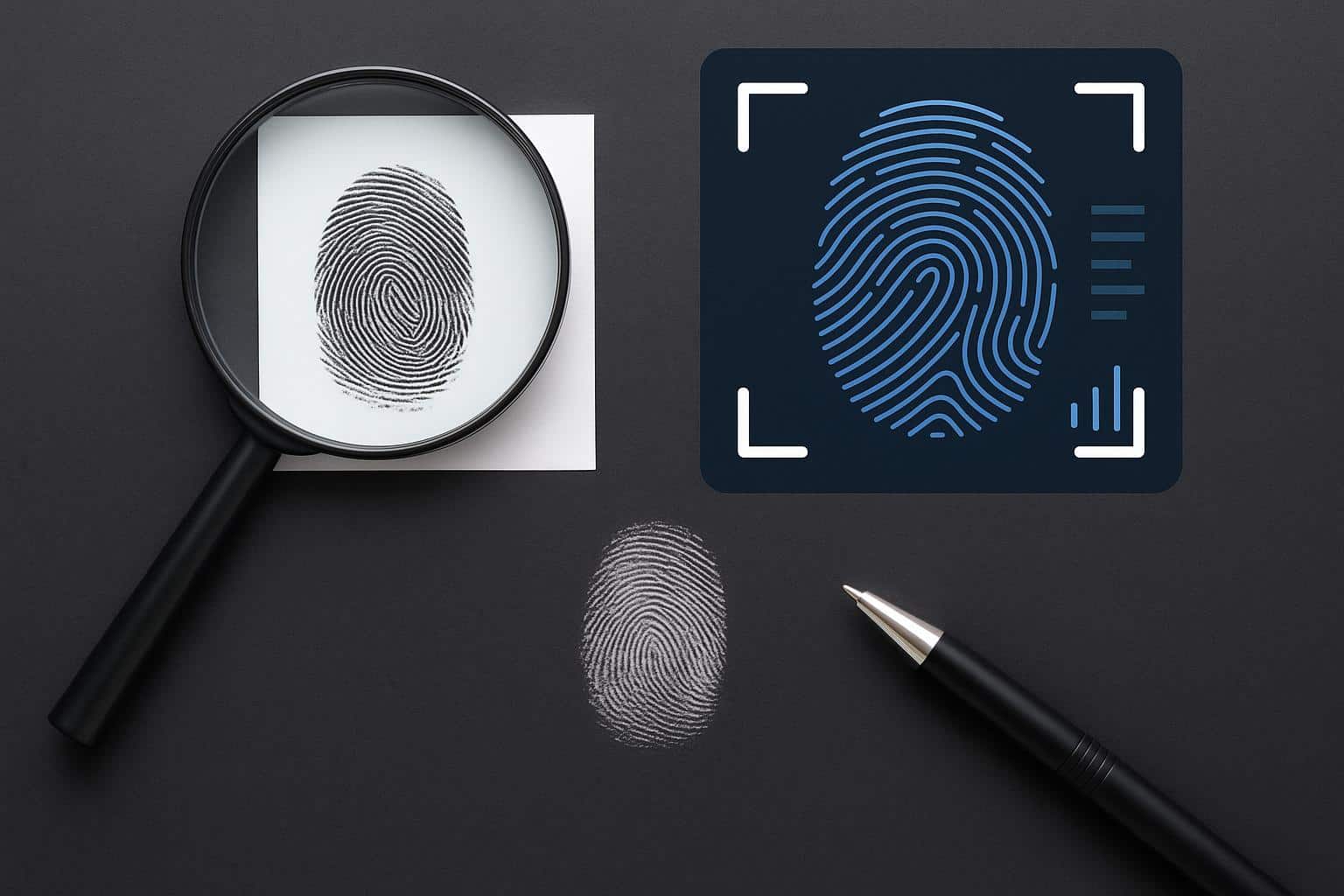
You need to use physical or chemical processing methods to find these prints. To show the ridge detail, investigators might use powders, lasers, or chemical reagents. This process is very sensitive. A latent print is often not very good. It could be blurry, smudged, or mixed up with other prints. You can learn more about the specific problems that examiners have to deal with by reading about latent print analysis and how forensic teams handle these tough samples.
Digital Improvement and Identification
It is necessary to analyze a latent print after it has been found. This is where advanced software tools like MegaMatcher come in handy. A raw latent print from a crime scene is not often perfect. It often has “noise” from the dirt or the way the surface feels.
Before the identification phase tries to find a match, software tools are used to improve the image. The technology works by getting rid of background noise and putting the broken ridge flow back together. It makes the ridge endings and bifurcations that make a print unique stand out more clearly and with more contrast. The software makes it easier to compare the digital image to biometric databases by cleaning it up. This step of pre-processing is very important. It makes sure that the search algorithms are looking at clean data instead of a smudge.
Beyond the Fingertip
Other friction ridge regions are also subject to biometric analysis. The value of palm prints in investigations is growing. Perpetrators frequently use their entire hand to touch large objects, windowsills, or walls. Numerous unique pieces of information, frequently more than one fingertip, can be found in palm prints.
The same ridgeological principles apply to toe prints and even footprints. Although they are less frequent, comparable digital workflows are used to process and improve them. In order to make sure that no physical trace is missed during an investigation, modern case management techniques seek to record and examine all of these types of ridge detail.
