


Fashion moves fast. Trends appear and disappear in weeks. Customer expectations keep rising every year. Old ways of working just cannot keep up. Paper trails and guesswork lead to trouble. They create waste and missed opportunities. Technology steps in to fix these problems. It brings speed and accuracy to the chaos. Smart brands use digital tools to stay ahead. They make better products and serve customers well. The whole industry is changing because of this shift. Let us look at how it happens.
Building a Single Source of Truth
Fashion companies deal with huge amounts of information. There are sketches and fabric specs. There are supplier details and cost sheets. In the past, this lived in many places. Someone had a file on their desktop. Someone else kept notes in a drawer. Finding the right version was a nightmare. This confusion slowed everything down. A unified system changes the game completely. Think about how PLM for apparel industry businesses works. It brings every piece of data into one view. Designers see the latest tech pack. Merchants see current costs. Factories get accurate instructions. No more guessing which file is correct. Everyone moves forward together.
Designing in Three Dimensions
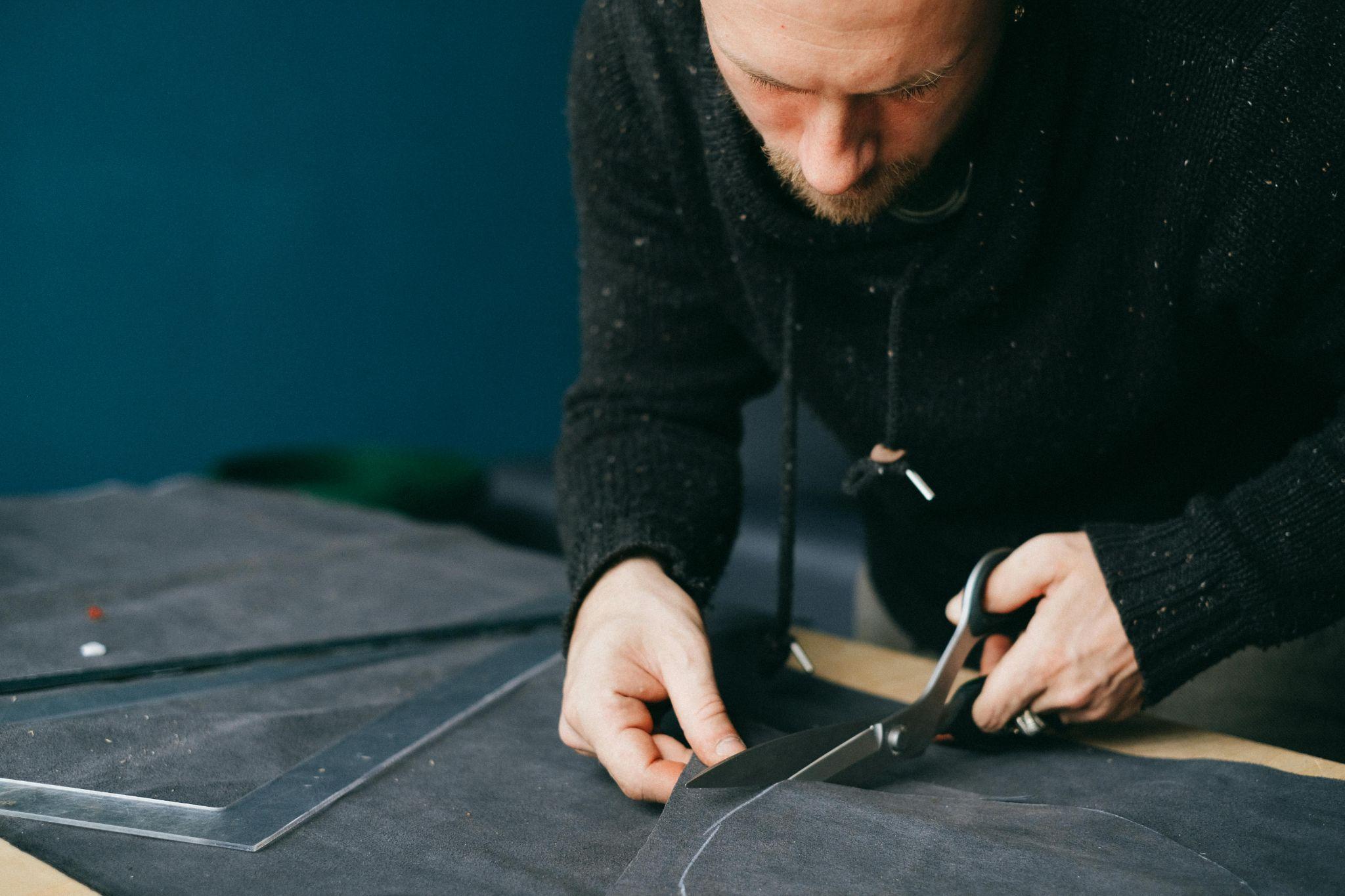
Sketching on paper has limits. You cannot see how fabric will move. You cannot tell if a proportion looks wrong. Samples fix this, but they cost time and money. Each sample takes weeks to arrive. If it is wrong, you start over. 3D design tools change this process. Designers create virtual samples on screen. They see how colors look together. They watch garments move on digital models. Changes happen in minutes, not weeks. You only cut fabric for designs that work. This saves thousands of dollars each season. It also speeds up the whole development cycle.
Tracking Inventory with Precision
Inventory problems plague fashion brands. Overstock sits in warehouses losing value. Stockouts frustrate customers who want to buy. Both situations cost money and damage reputation. Manual tracking cannot prevent these issues. You need real-time visibility into every item. Modern inventory systems provide exactly that. They know what is in each store and warehouse. They track what sells fast and what sits still. Reorders happen automatically at the right time. Markdowns get planned before things pile up. Cash stops being trapped in unsold goods. The business runs leaner and healthier.
Connecting with Factories Digitally
Factories used to feel like black boxes. You sent instructions and hoped for the best. Communication happened through emails and phone calls. Things got lost in translation constantly. A wrong measurement meant a bad sample. A misunderstood deadline meant late delivery. Digital platforms fix this disconnect. You share tech packs through secure systems. Factories ask questions that everyone can see. Progress updates come automatically at each stage. Problems get spotted before they become disasters. Your suppliers become true partners. They understand exactly what you need and when.
Selling Through New Channels
The way people buy clothes keeps changing. Social media sells products directly now. Live shopping events happen on phones. Customers expect to buy anywhere at any time. Fashion operations must support all these channels. Your inventory needs to be visible everywhere. If someone buys on Instagram, the system knows. That item comes off the shelf immediately. No overselling and no disappointed customers. Orders flow to the right warehouse automatically. Technology ties all these pieces together. You sell wherever customers want to shop. The complexity happens behind the scenes where nobody sees it.
Making Factories Smarter
Factories themselves are getting a tech upgrade. It is not just about design anymore. Sewing machines now have sensors and screens. They guide workers through each step. They stop if something goes wrong. This reduces errors and improves quality. Cutting rooms use automated systems now. They arrange patterns to waste less fabric. Every yard of material gets used efficiently. These improvements might seem small. They add up to huge savings over time. Lower costs mean better prices or higher profits. Everyone benefits from smarter manufacturing.
Personalizing the Customer Experience
Customers want clothes that feel made for them. They want recommendations based on their style. They want to feel understood by brands. Technology makes this possible at scale. Data tracks what each person buys and likes. It notices when someone prefers certain colors. It remembers sizes and fit preferences. Next time they visit, suggestions feel personal. Emails show items they might actually want. This connection builds loyalty over time. People keep coming back to brands that get them. Technology turns a big business into a personal stylist.
Moving Toward Sustainability
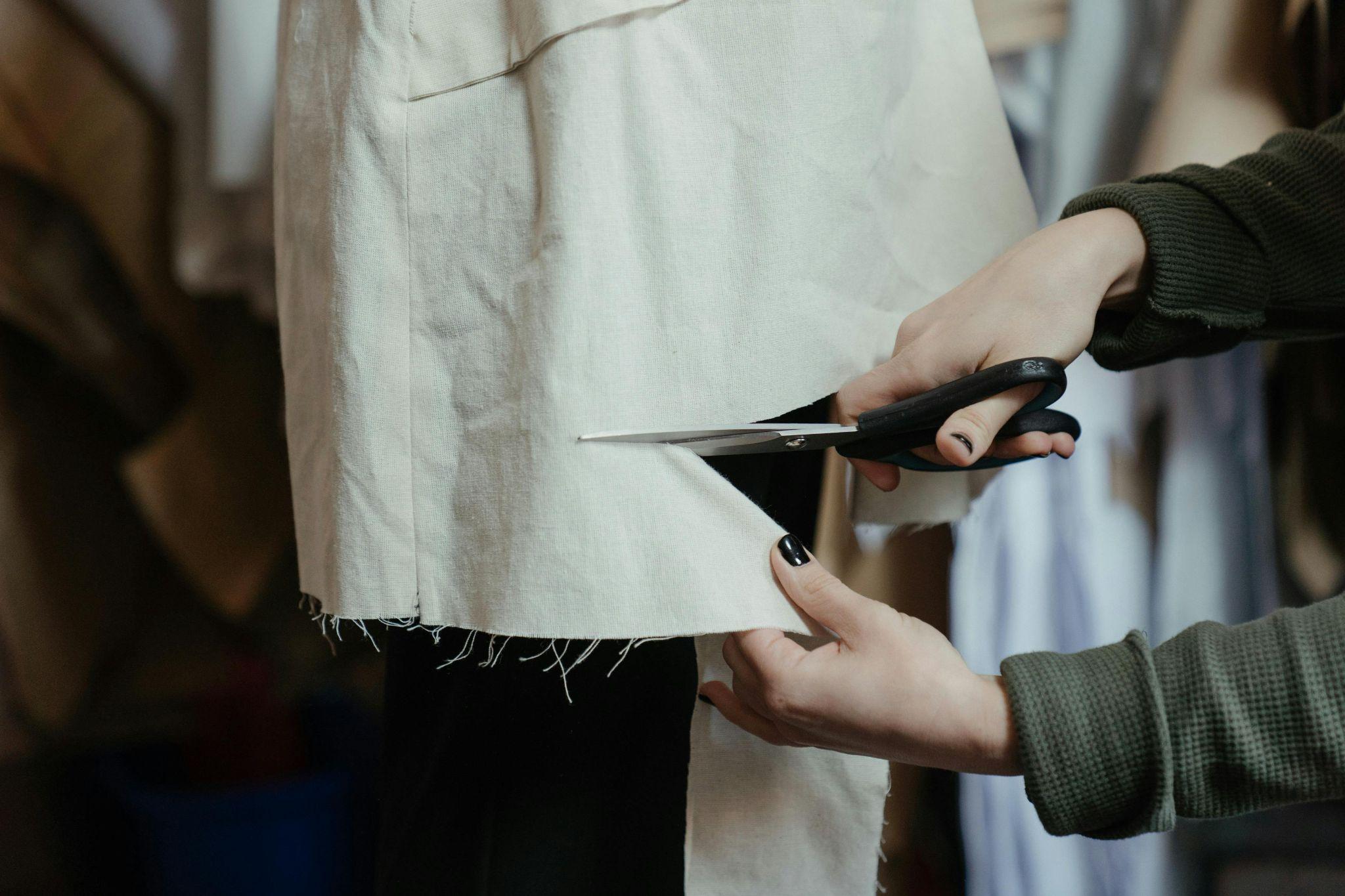
Waste is fashion's biggest problem. Clothes end up in landfills everywhere. Water gets used in massive amounts. Chemicals pollute communities near factories. Technology offers a path forward. Digital samples reduce physical waste. Better inventory tools mean less overproduction. Blockchain tracks materials from source to store. Customers can see where things came from. They choose brands that match their values. Efficiency and sustainability go hand in hand. Saving money often means saving resources too. The planet benefits alongside the bottom line.

