


Seasonal changes affect everyone to some degree, but in northern climates, the mental health impact of winter can be profound. Seasonal Affective Disorder, often referred to as SAD, is a form of depression that follows a predictable seasonal pattern, most commonly emerging during fall and winter. In regions with long, dark winters, the condition can disrupt daily functioning, emotional well-being, and overall quality of life.
In states like Vermont, where daylight hours drop significantly and winter weather limits outdoor activity, many individuals seek support through resources such as a Vermont mental health clinic to better understand seasonal mood changes and develop strategies for managing them effectively.
- What Seasonal Affective Disorder Looks Like
- Why Northern Regions Face Higher Risk
- Emotional and Behavioral Effects of SAD
- How Mental Health Care Supports Seasonal Wellness
- Light Exposure and Daily Structure
- The Importance of Early and Preventive Care
- Who Is Most Affected by Seasonal Depression
- Community Connection as a Protective Factor
- Reducing Stigma Around Seasonal Mental Health
- Planning for Long-Term Seasonal Balance
- Navigating Winter With Understanding and Support
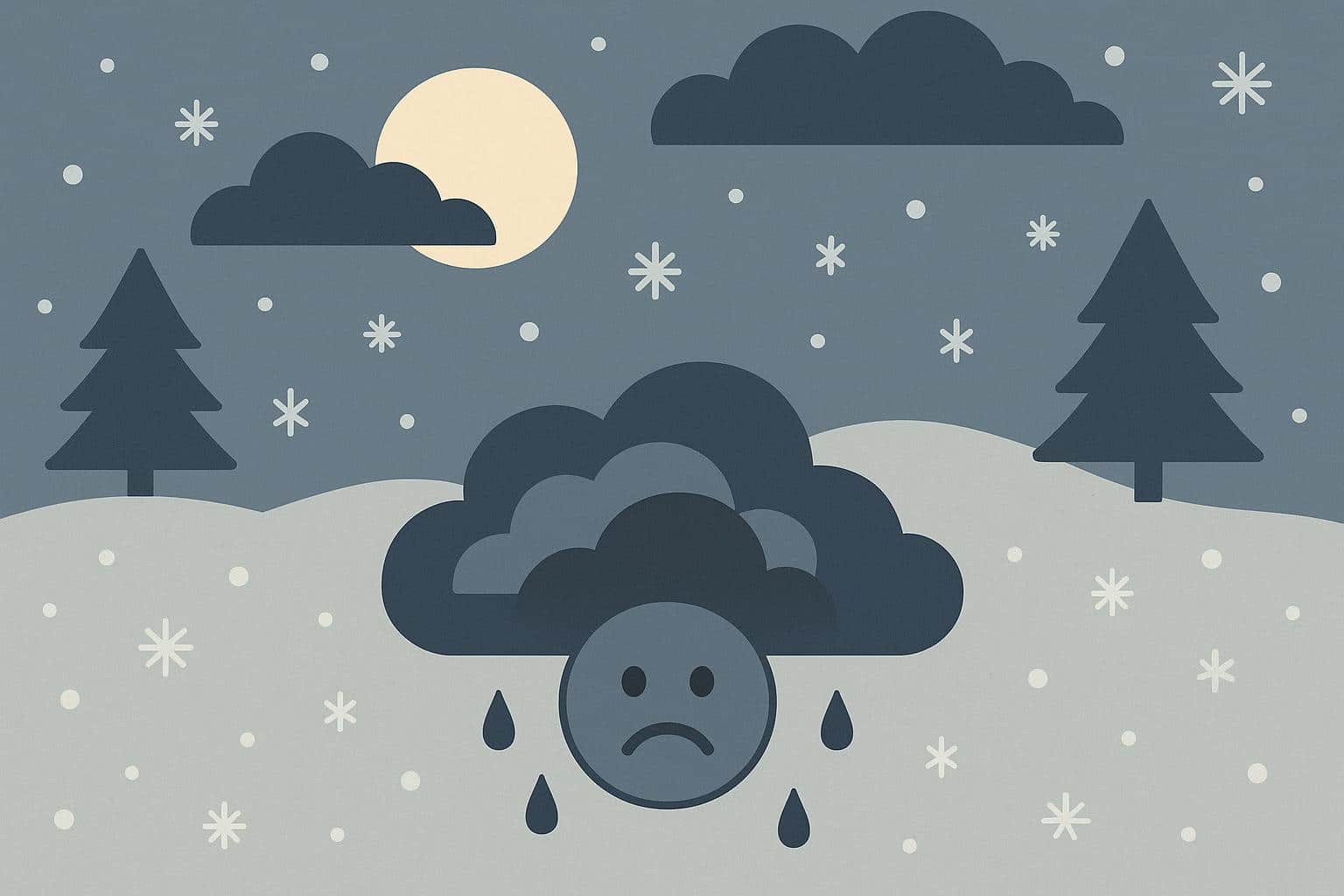
What Seasonal Affective Disorder Looks Like
Seasonal Affective Disorder is more than feeling sluggish during the winter months. It is a clinically recognized form of depression with symptoms that recur at the same time each year.
Common symptoms include persistent sadness, low energy, difficulty concentrating, increased sleep, changes in appetite, and loss of interest in activities that once felt enjoyable. These symptoms can interfere with work, relationships, and self-care routines.
Unlike short-lived mood shifts, SAD symptoms often last for several months and return annually if left untreated.
Why Northern Regions Face Higher Risk
Geographic location plays a significant role in the prevalence of Seasonal Affective Disorder. Northern regions experience shorter days, reduced sunlight, and extended periods of cold weather, all of which affect the body’s internal rhythms.
Sunlight plays a key role in regulating serotonin and melatonin, chemicals that influence mood and sleep. Reduced exposure can disrupt these systems, leading to depressive symptoms and altered sleep patterns.
In Vermont and similar climates, winter conditions can also increase isolation. Snow and cold temperatures limit social activity, reduce physical movement, and make it harder to maintain routines that support mental health.
Emotional and Behavioral Effects of SAD
Seasonal Affective Disorder affects more than mood alone. It can shape how individuals think, behave, and interact with others.
Fatigue and Reduced Motivation
People with SAD often feel persistently tired, even after long periods of sleep. This exhaustion can make everyday responsibilities feel overwhelming and lead to withdrawal from activities that previously provided fulfillment.
Cognitive Changes
Difficulty concentrating and slowed thinking are common during depressive episodes. These cognitive effects can impact work performance and increase feelings of frustration or self-doubt.
Social Withdrawal
As energy and motivation decline, individuals may pull away from social connections. Isolation can deepen depressive symptoms, creating a cycle that becomes harder to break as winter progresses.
How Mental Health Care Supports Seasonal Wellness
Seasonal Affective Disorder is highly treatable, especially when individuals receive support early. Mental health care provides tools for understanding patterns, managing symptoms, and building resilience during challenging seasons.
Therapy often focuses on identifying negative thought patterns, strengthening coping skills, and establishing routines that promote stability. Behavioral strategies may include increasing exposure to light, scheduling regular activity, and setting realistic expectations during low-energy periods.
According to information on Seasonal Affective Disorder from the National Institute of Mental Health, treatments such as psychotherapy, light therapy, and lifestyle adjustments can significantly reduce symptoms when tailored to individual needs.
Light Exposure and Daily Structure
In northern climates, intentional light exposure is one of the most effective tools for managing SAD. Light therapy uses specialized lamps that mimic natural sunlight and help regulate circadian rhythms.
Beyond light therapy, daily structure plays a critical role. Maintaining consistent sleep schedules, meal times, and activity levels supports mood regulation when natural cues are limited.
Even small changes, such as morning routines near windows or brief outdoor walks during daylight hours, can contribute to symptom relief.
The Importance of Early and Preventive Care
Many people only recognize Seasonal Affective Disorder after experiencing repeated cycles of winter depression. Early identification allows individuals to prepare proactively rather than reactively.
Beginning treatment or supportive practices in early fall can reduce symptom severity before winter peaks. Preventive care may include therapy check-ins, light exposure routines, and planning for social connection during colder months.
This forward-looking approach is especially valuable in regions where winter conditions are predictable and prolonged.
Who Is Most Affected by Seasonal Depression
While SAD can affect anyone, certain groups may be more vulnerable. Individuals with a history of depression, those who spend most of their time indoors, and people living alone may experience more pronounced symptoms.
Young adults and people balancing high stress levels may also be at increased risk, particularly when seasonal changes compound existing emotional challenges.
Recognizing vulnerability does not imply weakness. It simply helps individuals seek appropriate support and avoid self-blame.
Community Connection as a Protective Factor
Social connection is one of the strongest protective factors against seasonal depression. In northern climates, maintaining community engagement can be challenging but deeply beneficial.
Mental health clinics often encourage participation in group activities, support networks, or shared wellness practices. These connections reduce isolation and provide emotional reinforcement during the winter months.
Staying connected does not require constant socializing. Regular check-ins, shared routines, and intentional communication can help sustain emotional well-being.
Reducing Stigma Around Seasonal Mental Health
Seasonal mood changes are sometimes dismissed as a normal inconvenience rather than a legitimate mental health concern. This mindset can prevent individuals from seeking care.
Acknowledging Seasonal Affective Disorder as a real and treatable condition helps normalize support-seeking behavior. Education and open conversations reduce stigma and empower people to prioritize mental health during seasonal transitions.
Mental health providers in northern regions play a key role in validating these experiences and offering compassionate care.
Planning for Long-Term Seasonal Balance
Managing SAD often involves ongoing awareness rather than one-time treatment. Many individuals benefit from creating seasonal wellness plans that include therapy, routine adjustments, and proactive coping strategies.
Over time, these plans help individuals move through winter with greater confidence and stability. Seasonal awareness becomes a tool for self-care rather than a source of dread.
Navigating Winter With Understanding and Support
Seasonal Affective Disorder highlights how closely mental health is tied to environment. In northern climates, where winter is an unavoidable part of life, understanding this connection is essential. With early recognition, structured support, and compassionate care, individuals can navigate seasonal changes without losing a sense of balance or hope. By addressing SAD proactively, winter becomes a season that can be managed rather than endured.
