


From a vacant lot awaiting development to a bustling commercial complex, a property’s value and usefulness depend on how ready it is. Property managers are the key people who make sure a site is prepared for what it’s meant for, safe from hazards, and kept up for the long haul.
This takes a complex mix of looking ahead, smart planning, and quick action. Good site management goes way beyond just simple upkeep; it’s about being proactive, anticipating needs, reducing risks, and making sure every part of a property is safe, works well, and is ready for tenants, construction crews, or daily business.
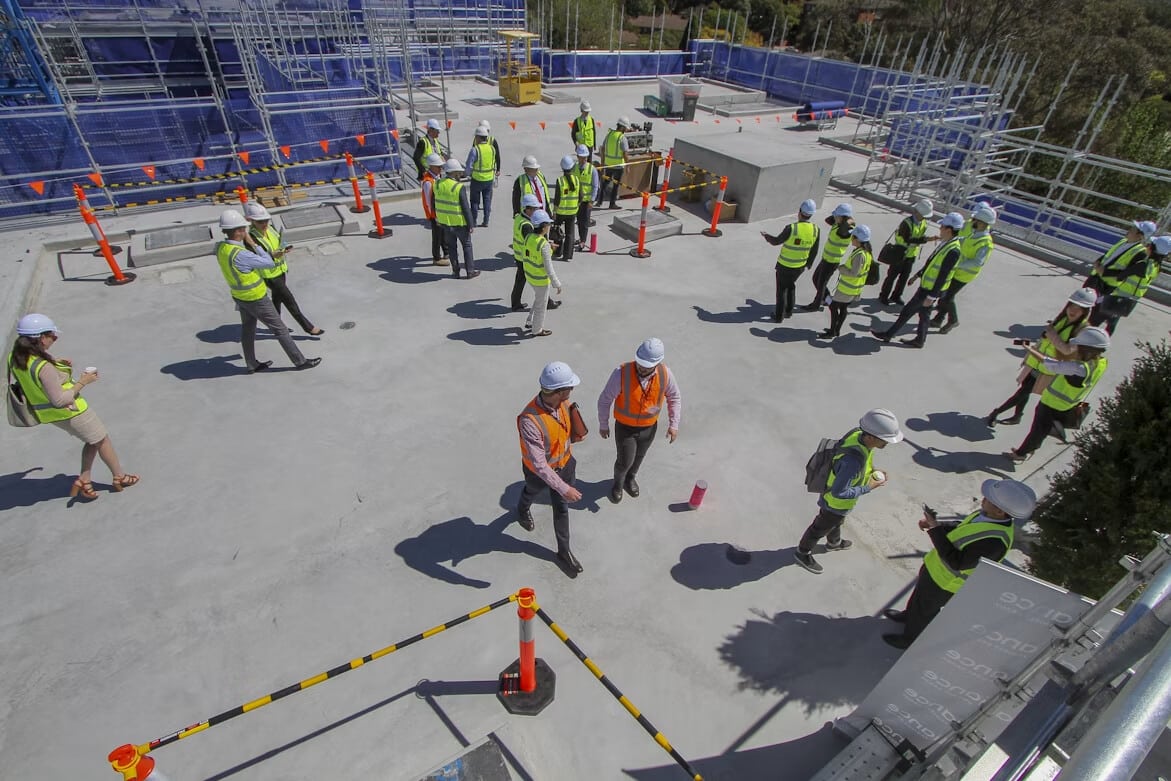
To successfully manage a property, you need to deeply understand its entire life. From the moment a site is bought, a manager has to think about clearing, security, ongoing maintenance, and even potential emergencies. This big-picture view helps avoid expensive delays, protects assets, and lets the site smoothly move from one phase to the next, whether that’s starting a new building or dealing with a sudden power outage.
Prepping Sites for Development
Before the first shovel even touches the ground, a lot of work goes into getting a site ready for development. This initial stage is crucial for setting a project up for success and avoiding unexpected problems. A property manager’s job here is to oversee a series of essential tasks that turn a raw piece of land into a canvas ready for building. This process starts with a thorough check of the site’s current condition.
Key preparation steps often include:
- Clearing and Grading the Site: This means removing any existing trash, plants, or old structures. After clearing, the land is graded to create the right slope and height needed for the construction plans. Proper grading is vital for good drainage and a stable foundation.
- Securing the Perimeter: A development site needs to be secured to prevent people from getting in without permission, stop materials from being stolen, and keep the public safe. This usually involves putting up fencing, clear signs, and sometimes security lighting or patrols.
- Utility and Surveying Work: Property managers work with surveyors to mark property lines, easements, and the exact spots for the new structure. They also coordinate with utility companies to find, cap, or reroute existing services like water, gas, and electricity.
- Environmental and Geotechnical Assessments: Before construction, it’s important to know what’s under the surface. Geotechnical engineers are brought in to test the soil’s makeup and stability, which helps with foundation design. Environmental assessments check for contaminants that might need to be cleaned up.
By carefully managing these early stages, property managers help ensure construction can start on time and on budget. Missing even one of these steps can cause significant delays, showing how property managers remain ready to deliver value long before a building is ever occupied.
Accessing Specialized Equipment Quickly
Property managers rarely own all the heavy machinery and specialized tools needed for every possible task. It just doesn’t make financial sense to own, store, and maintain a fleet of boom lifts, excavators, and industrial generators. Instead, the best managers build strong relationships with reliable suppliers who can provide the right tool for the job quickly. This strategic outsourcing is fundamental to efficient site management.
When a task needs specific machinery, whether for routine maintenance or a big project, speed and availability are critical. For instance, inspecting a high-rise building’s facade requires an aerial lift, clearing land for a new parking lot needs a bulldozer, and responding to a water main break might require an industrial pump.
Having a trusted partner for equipment rentals lets a property manager access these tools without the huge upfront cost and logistical headache of owning them. This partnership ensures work isn’t delayed waiting for machinery and that the equipment is professionally maintained and meets all safety standards.
This on-demand access is crucial for both planned projects and unexpected events. A project manager can schedule a scissor lift for a lighting installation weeks in advance or get a light tower delivered overnight to secure a site after a security system failure. This flexibility allows them to be highly responsive and cost-effective, deploying resources exactly when and where they are needed.
Managing Ongoing Maintenance Needs
Once a property is developed and occupied, the focus shifts from preparing it to preserving it. Proactive maintenance is arguably the most important job of a property manager, as it directly affects tenant satisfaction, operating costs, and the property’s long-term value. A reactive approach, waiting for something to break before fixing it, leads to more expensive emergency repairs, tenant complaints, and potential safety hazards.
A successful maintenance strategy is built on prevention. This means creating and sticking to a detailed schedule for inspecting and servicing all major systems within a property. This includes:
- HVAC Systems: Regular filter changes, coil cleaning, and system checks to ensure efficient operation and prevent unexpected breakdowns, especially during busy seasons.
- Plumbing and Electrical: Routine checks of pipes, fixtures, and electrical panels to find leaks, corrosion, or faulty wiring before they become big problems.
- Roofs and Exteriors: Scheduled inspections to check for damage to roofing materials, seals around windows and doors, and the condition of the building’s outside.
- Safety Systems: Regular testing of fire alarms, sprinkler systems, and emergency lighting to make sure they work and meet local codes.
Effective maintenance defines success for property managers because it keeps small issues from becoming large, costly emergencies. Modern property managers often use special software to track maintenance schedules, manage work orders, and document repairs, creating a complete history of the building’s health and ensuring no task is missed.
Emergency Preparedness and Power Solutions
Even with the best preventive maintenance, emergencies can and do happen. A skilled property manager is defined by how well they can respond when the unexpected occurs. This requires having a solid emergency preparedness plan in place long before it’s needed. These plans are comprehensive documents that outline procedures for various scenarios, including fires, natural disasters, major utility failures, and security breaches.
A key part of any emergency plan is communication. The property manager acts as the central point of contact, responsible for alerting tenants, coordinating with first responders, and keeping everyone informed. The role of property managers in emergency situations is to lead with clarity and control, minimizing panic and ensuring an orderly response. This includes establishing evacuation routes, designated meeting points, and clear protocols for action.
Power outages are a particularly common and disruptive challenge. For commercial buildings, data centers, and residential properties with elevators or essential medical equipment, losing power can be more than an inconvenience; it can be a critical failure.
Therefore, a core part of navigating disaster preparedness in property management involves power solutions. This often means having backup generators installed and regularly tested. The property manager is responsible for ensuring these generators have fuel, are serviced, and will automatically kick in when grid power is lost, maintaining power to critical systems like emergency lighting, fire pumps, elevators, and security systems.
Ultimately, a property manager’s role is to be ready for anything. From the initial groundwork of a new development to the ongoing care of an established building, they ensure that a site is always ready, safe, and operational. This constant vigilance protects the investment, serves the tenants, and creates a resilient and reliable environment.

