


Your home is likely your most significant investment. But beneath the surface, silent destroyers could be eating away at that investment right now. Termites cause over $5 billion in damage to American homes annually, and here’s the kicker—most homeowners’ insurance policies won’t cover a penny of it.
If you’re thinking you can handle termite problems with a can of spray from the hardware store, think again. The difference between professional termite treatment and DIY attempts often comes down to thousands of dollars in repair costs and years of structural integrity.
Let’s talk about why calling in the experts isn’t just smart—it’s essential.
Hidden Cost of Termite Damage
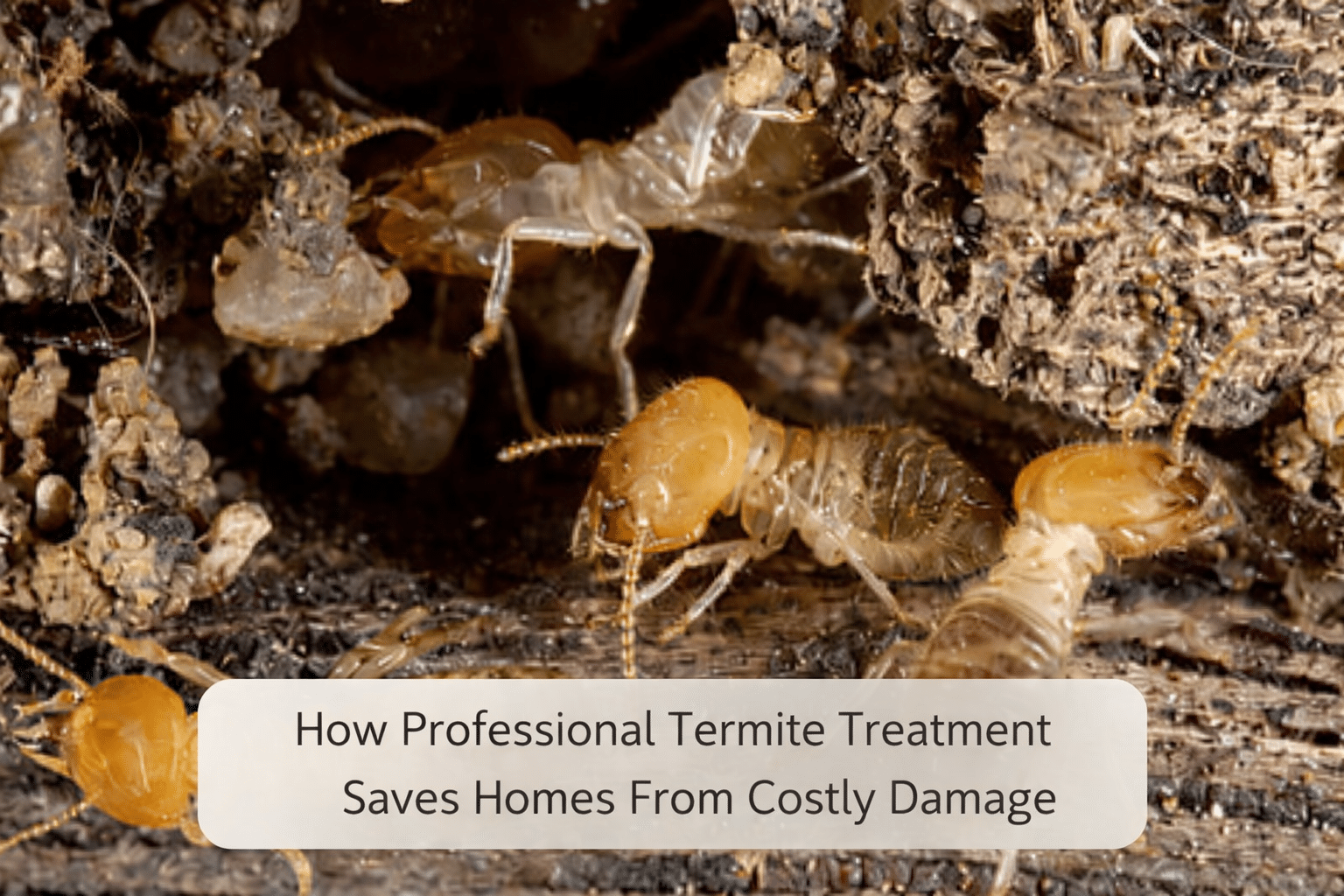
Termites do not scream themselves praises. They operate silently, systematically, and destructively. According to statistics, termites destroy about 600,000 homes in the United States each year. That is not a minor issue; it is an epidemic.
The typical homeowner who discovers a termite infestation will pay approximately $3,000 to repair the damaged areas. But that’s just the average. Severe cases cost up to 7.5k or more, and in severe cases, houses become unsustainable or even uninhabitable.
What is so frustrating is that insurance companies treat termite damage as preventable. And when you are looking at buckled floors, sinking ceilings, or rotting support beams, you are picking up the whole tab yourself.
Why DIY Termite Treatment Usually Fails?
We understand it is not cheap to hire professionals to control pests, and the termite treatment kits available at the shop look alluring. However, what often happens is that you spray for visible termites or set up bait stations, then move on. Meanwhile, the colony itself that can accommodate hundreds of thousands of termites remains alive in the areas where you cannot see it.
Effectiveness is not the only problem. It’s expertise. Are you aware of whether you are dealing with subterranean, drywood, or dampwood termites? Every species requires different treatment strategies.
This is why homeowners are moving toward professional termite treatment in Gilbert and other regions where termites are prevalent: experience and the ability make all the difference between short-term and long-term solutions.

How Professional Termite Treatment Saves Homes From Costly Damage
1. Advanced Detection Methods You Don’t Have Access To
When professionals are inspecting your home, they are not simply looking around with a flashlight. In modern termite inspections, experts use moisture meters to identify dry environments termites prefer, thermal imaging cameras to detect heat signatures behind walls, and trained termite-sniffing dogs.
A licensed inspector knows precisely where to inspect the areas that most homeowners overlook. They will bang on wood to detect hollow areas, inspect crawl spaces for mud tubes, inspect cracks in the foundation, and look for frass (termite droppings) that, to the untrained eye, appears as sawdust. Such rigorousness is just not possible with DIY techniques.

2. Treatment That Actually Works
As soon as professionals detect an infestation, they can recommend treatment options that homeowners can afford. Professional-grade termiticides are significantly more potent than retail products, and more importantly, they’re applied correctly.
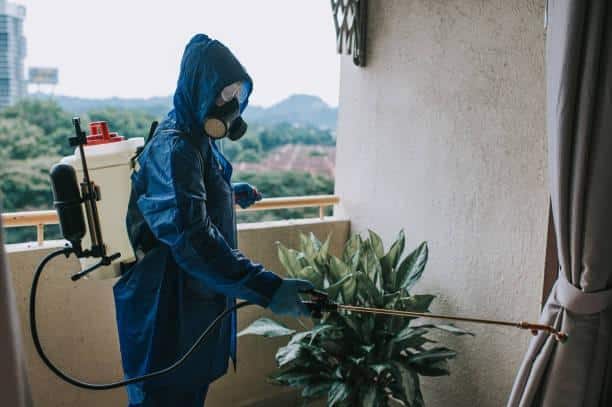
For subterranean termites, the most destructive, professionals develop an all-around chemical barrier around your house’s foundation by trenching, drilling, and applying the appropriate soil treatment. For drywood termites, treatment can be performed through fumigation, heat, or targeted chemical applications.
Several services also offer baiting systems, such as Sentricon, which uses slow-acting insecticides that termites carry back to the colony, ultimately killing the entire colony.
3. Long-Term Protection and Peace of Mind
Professional services don’t just address existing problems, but also prevent future ones. Most reputable companies have ongoing monitoring and maintenance programs with regular inspections to catch new activity early. Most of them offer warranties that guarantee their performance; if the termites return within the warranty period, they will be replaced at no additional cost.
For homeowners in high-termite-infested regions, such as the Southwest, professional termite treatment in Gilbert and other areas has become a necessity. The climate provides ideal conditions for colonies, making professional prevention mandatory rather than optional.
4. Real Estate Factor
Professional termite treatment is a selling point if you plan to sell it. Most home sales require termite inspection, and buyers want documentation from licensed professionals.
Even after rectification, homes with termite damage can lose 3-5% of their property value. Professional treatment develops inspection reports, treatment records, and warranties that instil confidence in buyers; documentation that can actually pay itself when the time to sell comes.
The Bottom Line
Professional termite treatment isn’t an expense; it’s an investment in protecting your home’s value and structural integrity. The cost of professional service is minimal compared to the potential damage from untreated infestations.
Yes, hiring professionals costs more upfront than buying a DIY kit. But when you factor in effective professional-grade treatments, expert detection, warranty protection, and peace of mind knowing the job was done right, the choice becomes obvious.
Don’t gamble with DIY solutions when professional termite treatment offers proven results and long-term protection. The smartest time to invest in professional termite protection is before you have a problem. But if you’re seeing signs, don’t wait—the longer termites work, the more expensive repairs become.
