


Unplanned downtime remains one of the most expensive challenges across industrial operations. When critical equipment fails without warning, production schedules are disrupted, safety risks increase, and maintenance costs escalate quickly. Traditional time-based maintenance approaches often struggle to prevent these interruptions because they rely on fixed schedules rather than real operating conditions.
In response, many organizations are shifting their maintenance strategies toward condition-based maintenance as a more reliable and data-driven approach. This shift transforms maintenance from a reactive task into a controlled, predictive process that supports operational continuity and long-term reliability.
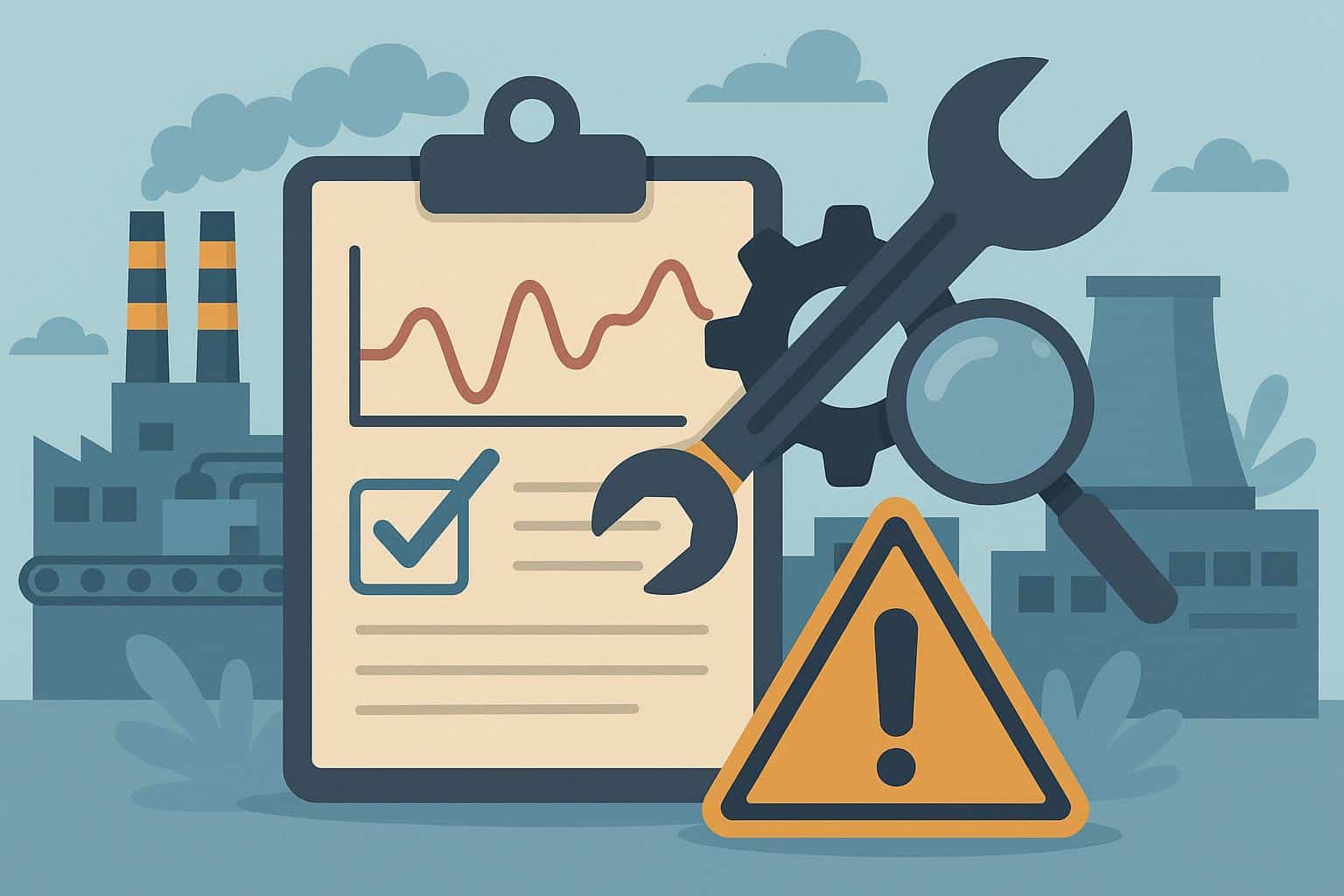
Let’s understand how condition-based maintenance helps reduce unplanned downtime across industrial environments.
Understanding Condition-based Maintenance
Condition-based maintenance is a strategy that focuses on servicing assets based on their real-time operating condition rather than preset intervals. Sensors and monitoring tools track parameters such as vibration, temperature, pressure, current, and lubrication quality. This data often supports Failure Modes and Effects Analysis (FMEA), a structured method for identifying potential failure points and assessing their impact before breakdowns occur. These indicators reveal early signs of wear or abnormal behavior.
When maintenance teams employ condition-based maintenance, decisions are driven by measurable data instead of assumptions. Electrical instruments and connected devices continuously report asset performance, allowing engineers to pinpoint issues early. This approach reduces unnecessary maintenance while ensuring that critical equipment receives attention exactly when required.
Why Unplanned Downtime Happens
Unplanned downtime usually occurs due to hidden degradation within equipment. Bearings wear out gradually, insulation weakens over time, and alignment issues worsen with continuous operation. In many cases, these changes remain undetected until failure occurs.
Traditional preventive maintenance may replace parts too early or too late. Early replacement increases costs, while late intervention leads to breakdowns. Condition-based maintenance addresses this gap by identifying deterioration patterns before they disrupt operations. By incorporating condition monitoring into maintenance planning, organizations gain visibility into issues that would otherwise remain unnoticed.
How Condition-based Maintenance Prevents Unexpected Failures?
Unexpected failures rarely occur without warning. This is how condition-based maintenance prevents unexpected failures:
- Continuous Monitoring of Equipment Health
Condition-based maintenance relies on continuous or periodic monitoring of critical assets. Sensors attached to motors, transformers, and rotating equipment capture performance data during normal operation. This data reflects the true condition of the equipment rather than estimated wear.
When anomalies appear, maintenance teams can deploy corrective actions immediately. This proactive response prevents minor deviations from escalating into severe failures, which significantly reduces unplanned downtime.
- Early Fault Detection and Diagnosis
Subtle changes in vibration or temperature often signal early-stage faults. Condition-based maintenance systems analyze these variations and flag abnormal trends. Maintenance engineers can then diagnose root causes before damage spreads to connected components.
Early fault detection allows teams to schedule repairs during planned shutdowns. This minimizes disruption and ensures that production continues without sudden interruptions.
- Smarter Maintenance Scheduling
Instead of relying on fixed calendars, condition-based maintenance enables dynamic scheduling. Maintenance activities are planned based on asset condition, workload, and operational priorities.
This approach optimizes labor utilization and spare parts management. Equipment receives maintenance only when necessary, reducing unnecessary interventions and supporting consistent system availability.
Role of Data and Technology in Condition-based Maintenance
Modern condition-based maintenance strategies depend heavily on data accuracy and system integration. Sensors, monitoring software, and analytics platforms work together to transform raw data into actionable insights. Maintenance teams employ these insights to make informed decisions with confidence.
Data-driven maintenance also supports continuous improvement. Historical performance data helps refine maintenance thresholds, improve failure prediction accuracy, and strengthen long-term asset management strategies.
Building Long-term Reliability Through Condition-based Maintenance
Condition-based maintenance has become a critical strategy for organizations seeking to reduce unplanned downtime and improve operational resilience. By focusing on real-time equipment condition, maintenance teams can anticipate failures, plan interventions effectively, and protect production continuity.
When supported by accurate data and skilled personnel, condition-based maintenance delivers lasting reliability, cost control, and operational confidence across industrial environments.
Working with a trusted electrical brand also supports long-term scalability. As operations expand or equipment portfolios evolve, expert guidance helps incorporate advanced monitoring technologies without compromising reliability. This collaboration strengthens maintenance strategies and supports sustained reductions in unplanned downtime.

