


The product decides the payment terms. Two hemp companies can hold identical licenses and banking and still get different answers from a processor, because one sells lotion and the other sells gummies. Card networks read a CBD catalog by what goes into the body and how it is used. Treating every SKU as one risk category misjudges which products a processor will approve and which will end the account.
Topicals and Cosmetics
Topical CBD brands face the lightest scrutiny. Creams and cosmetics are absorbed through the skin rather than swallowed, so they fall outside most of the FDA’s food and supplement concerns. That gap is why some mainstream platforms draw their line here. Square approves topical CBD but excludes ingestibles, and even then requires an application.
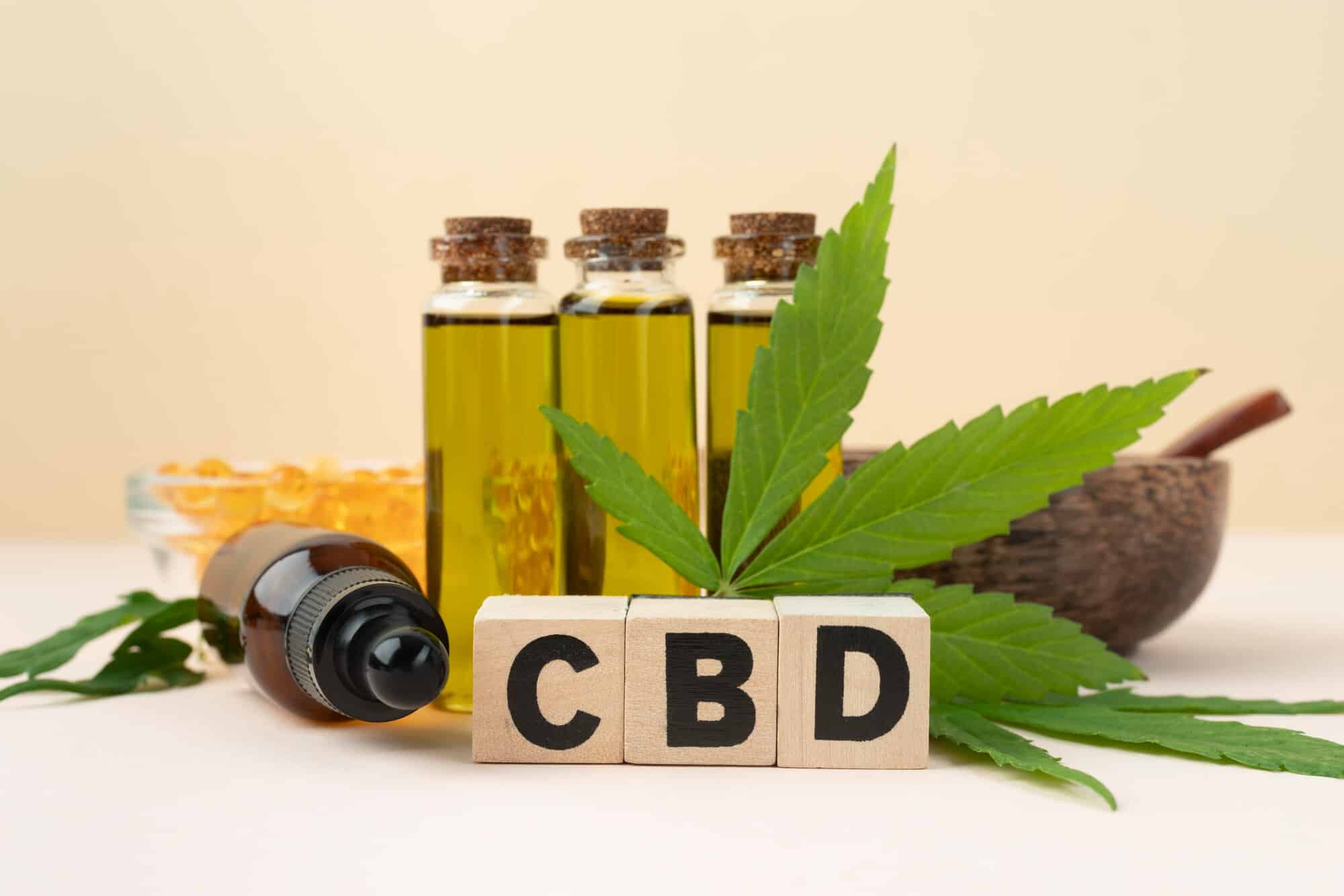
For a processor, a topical-only catalog is close to ordinary retail. A topical catalog still needs certificates of analysis and honest labeling, but the underwriting is shorter and the reserves are usually smaller. A topical account can sometimes run on close to standard terms, which means lower reserves and faster settlement, and that difference compounds across a year of sales.
Ingestibles and Tinctures
Oils, tinctures, capsules, and gummies change the calculation. Anything meant to be swallowed falls under the FDA’s authority over food and supplements, and the agency has not approved CBD as either. Underwriters know this, so ingestible products draw closer review at onboarding and tighter monitoring afterward.
That scrutiny shows up as higher cost and less tolerance. High-risk placement shows up in the rate, where ingestible sellers often pay 3% to 6% per transaction against the 1.5% to 2.5% a low-risk retailer sees, and that spread widens when chargebacks climb. Health claims are the fastest way to lose the account, because an ingestible marketed as treatment invites both an FDA letter and a processor exit.
Matching a Processor to the Catalog
A processor that handles payments for CBD businesses prices the whole catalog at once. A brand that sells lotion, oil, and a vape line under one roof is underwritten on its riskiest item, the same way a store that sells groceries and fireworks is judged on the fireworks. The mix sets the terms, and the riskiest item drives the mix.
Product planning and payment planning belong in the same conversation. Adding an intoxicating SKU to a compliant topical line moves the account into a higher-risk band without notice, and the approval that covered the lotion may not survive the addition.
Inhalables and Vape Products
Vapes add a second layer of risk. Inhaled CBD moves through hardware that regulators treat as a tobacco-adjacent category, and it uses its own merchant code, MCC 5993, separate from food or cosmetics. Listing vape products under a food code creates the mismatch that ends accounts.
Age verification also enters here. Card networks expect inhalable sellers to gate purchases by age, and a checkout that skips this step gives an auditor a reason to act. Processors apply enhanced identity checks to these accounts as well, matching the business and its owners against the products sold before approval.
Hemp Beverages
Beverages fall into an odd middle ground. When Congress moved to restrict intoxicating hemp in 2025, the change carried a narrow exception for certain beverages, which left drink makers under different rules than edibles sold in the same store. Processors treat a hemp seltzer and a hemp gummy as separate risks even when the cannabinoid content looks similar. The wider THC drink market grew fast after 2020, reaching an estimated $1.375 billion in annual sales for hemp beverages by 2025, which is part of why processors watch the category closely as the rules move. State legislatures have moved against the category too, and a Texas bill that would have banned many THC-infused products was stopped only by a last-step veto.
For a beverage brand, documenting the specific legal basis for each product is what keeps it bankable. General “hemp-derived” language is not enough when one category has an exception and the next does not.
Intoxicating Hemp Products
Delta-8 and delta-9 hemp products are the hardest to place. Card networks classify intoxicating hemp as high-risk and generally block it on standard rails. Consumers can use Visa or Mastercard on sites selling non-intoxicating CBD below the 0.3% delta-9 limit, but not on delta-8 or delta-9 edibles and drinks, unless the processor is explicitly high-risk and compliant. The mainstream gateways that already ban CBD ban delta-8 as well, and using them usually ends in frozen funds.
Blending compliant CBD with intoxicating SKUs on one account risks the entire operation. The compliant products give no protection here, and the intoxicating ones set the ceiling for the whole account.
Pet Products
CBD for dogs and cats is its own line. Pet products avoid human-food rules but face questions about veterinary claims, and processors underwrite them separately from the human catalog. A pet tincture and its human counterpart can get opposite answers from the same underwriter, one approved and one declined. The claims are the pressure point, since a pet oil sold for calm during storms looks different to an underwriter than one sold to treat a diagnosed condition. The second framing invites the same scrutiny a human health claim would.
State Rules on Top of Product Rules
Federal law is only the first filter, and even that floor is tightening under a new federal ban set to take effect in late 2026. A product that stays under the 0.3% delta-9 threshold can still be restricted at the state level, and the conditions vary by category. States set their own requirements for manufacturing licenses, lab testing, and labeling, down to QR codes and batch identifiers on the package. Vapes and edibles draw the most state-specific attention, while topicals often move with fewer conditions. For a national brand, underwriting follows the strictest state it ships to, so a single tightly regulated market can shape the terms for the whole account. Mapping the shipping list against state rules before launch avoids accounts that pass in one market and get flagged in another.
Category-Specific Documentation
Every product type needs a certificate of analysis, but the supporting paperwork changes with the category. Beverages and edibles need exact THC math per container under the newer total-THC standard. Vapes need age-gating records. Topicals need accurate ingredient labeling. Asking for category-specific documents at onboarding is the work that keeps the account open later. A category-specific request at signup also marks a processor that has approved products like these before, which lowers the odds of a surprise review months into the relationship.
Building the Catalog Around the Rails
Plan the product line and the payment setup together. Sort the catalog by how each product is used, confirm which items a processor will approve before launch, and keep the riskiest SKUs on an account built to hold them. Handled that way, the differences between categories become a plan the business controls instead of a surprise it meets the day a freeze arrives.

