


Personal health technology has quietly shifted from clinical environments into everyday life. Devices and tools that were once limited to specialist settings are now designed for home use, allowing people to build routines around consistency rather than appointments. This change hasn’t been driven by a desire for complexity, but by the opposite: solutions that fit into daily schedules without requiring major disruption.
One area where this is especially visible is personal care. Instead of treating skin, recovery, or maintenance as occasional interventions, many people now approach them as ongoing habits. Tools designed for targeted use, such as red light therapy neck treatments, often become part of evening or downtime routines in the same way stretching, reading, or skincare does. They’re not framed as dramatic fixes, but as supportive technologies that align with the broader trend toward low-effort, repeatable care.

This evolution reflects a larger shift in how people think about health technology. The emphasis is less on novelty and more on integration. If something can’t realistically be used over time, it rarely becomes part of a lasting routine.
Nutrition as a Supporting System, Not a Spotlight
While visible technologies tend to attract attention, nutrition continues to function as the quiet infrastructure beneath most health outcomes. Energy levels, recovery, and long-term resilience depend heavily on whether nutritional needs are met consistently, especially when bodies are adapting to change.
For individuals with specific medical or physiological requirements, convenience becomes a key factor. In those contexts, options like protein drinks for bariatric patients are often used not as lifestyle products, but as practical tools that make daily nutrition more manageable. Their role is functional rather than aspirational: ensuring protein intake stays consistent without adding complexity to already structured eating plans.
What’s notable is how this mirrors trends in personal tech. Just as at-home devices aim to reduce friction in care routines, structured nutritional options aim to reduce friction in daily intake. Both prioritize reliability over experimentation.
Guidance from the National Institutes of Health consistently underscores the importance of adequate protein and micronutrient intake for maintaining muscle mass, metabolic health, and recovery, particularly in populations with altered nutritional absorption or intake patterns. The emphasis is on sustained adequacy rather than short-term optimization.
The Appeal of Low-Maintenance Health Tools
One of the strongest predictors of whether a health habit sticks is how much effort it requires. Tools and routines that demand setup, monitoring, or frequent decision-making tend to be abandoned over time. In contrast, low-maintenance systems often become invisible parts of daily life.
This applies equally to technology and nutrition. A routine that fits seamlessly into existing habits, whether that’s an evening care practice or a scheduled nutritional supplement, requires less motivation to maintain. Over time, the routine becomes automatic.
Designers of modern health tools increasingly account for this reality. Interfaces are simplified, usage times shortened, and instructions streamlined. The goal isn’t to impress users with complexity, but to make adherence easier.
From Intervention to Infrastructure
Another important shift is how people frame health practices psychologically. Interventions are reactive; infrastructure is supportive. When a routine feels like infrastructure, it’s something people rely on quietly rather than actively manage.
At-home health technologies increasingly fall into this category. They don’t signal illness or treatment; they signal maintenance. This framing reduces mental resistance and makes it easier for people to commit long term.
Nutrition follows the same pattern. When intake is structured and predictable, it stops feeling like a daily problem to solve and starts feeling like part of the background. That predictability is especially valuable for people managing complex health considerations.
Personalization Without Over-Customization
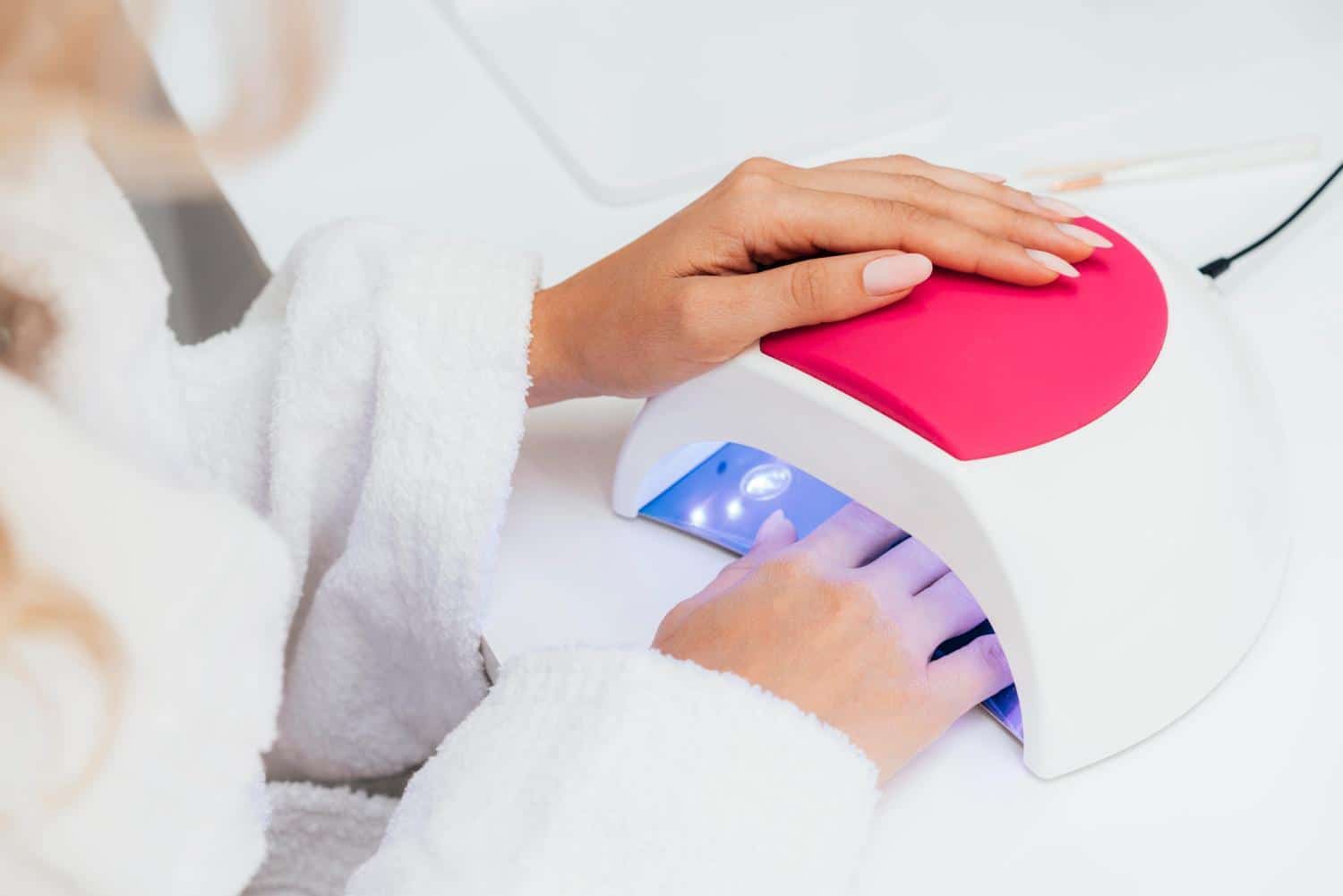
Modern health culture often emphasizes personalization, but there’s a growing recognition that too much customization can become counterproductive. Endless adjustments, tracking, and optimization can create fatigue rather than progress.
The most effective routines tend to strike a balance. They’re tailored enough to meet individual needs, but simple enough to remain stable over time. This balance is evident in both home-use technologies and structured nutritional solutions, where the focus is on meeting core requirements consistently rather than chasing marginal gains.
This approach also makes routines more resilient. When life becomes busy or unpredictable, simple systems are more likely to survive intact.
The Role of Habit Formation
Behavioral research consistently shows that habits are formed through repetition, not intensity. Small actions repeated regularly have a greater impact than large actions performed sporadically. Health tools that respect this principle tend to see better long-term engagement.
By reducing setup time and minimizing required decisions, modern personal health technologies align well with how habits actually form. The same is true for nutritional strategies that remove daily guesswork.
Over time, these habits compound. Improvements may be subtle day to day, but meaningful over months and years.
Health Technology Without the Performance Layer
Another quiet trend is the move away from performative wellness. Many people are less interested in sharing routines publicly and more interested in whether those routines genuinely improve how they feel.
This shift has encouraged the adoption of private, at-home solutions that don’t require external validation. Success is measured internally, by comfort, energy, or ease, rather than by visibility.
This change also reduces pressure. Without the need to present progress, people can focus on consistency and adjust routines honestly based on how their body responds.
Building Systems That Endure
The future of personal health technology isn’t about more features or more data. It’s about durability, systems that can be used repeatedly without becoming burdensome. Tools that integrate quietly into life, rather than competing with it, are the ones most likely to endure.
As health practices continue to move into the home, the line between technology and routine will blur further. Devices and nutritional systems will be judged less by innovation headlines and more by whether they support daily life without friction.
In that environment, success looks ordinary. Routines hold. Energy stabilizes. Care happens without constant attention. And over time, that quiet consistency becomes the most meaningful form of progress.
