


HBO Max and Paramount+ will be folded into a single streaming platform, executives said, setting up one of the biggest consolidations in the subscription video market. The companies point to a combined direct-to-consumer footprint topping 200 million subscribers across 100+ countries, and pitch the tie-up as a way to compete at scale against Netflix, Disney, and Amazon while simplifying overlapping tech and marketing costs.
What the Combined Service Promises for Viewers
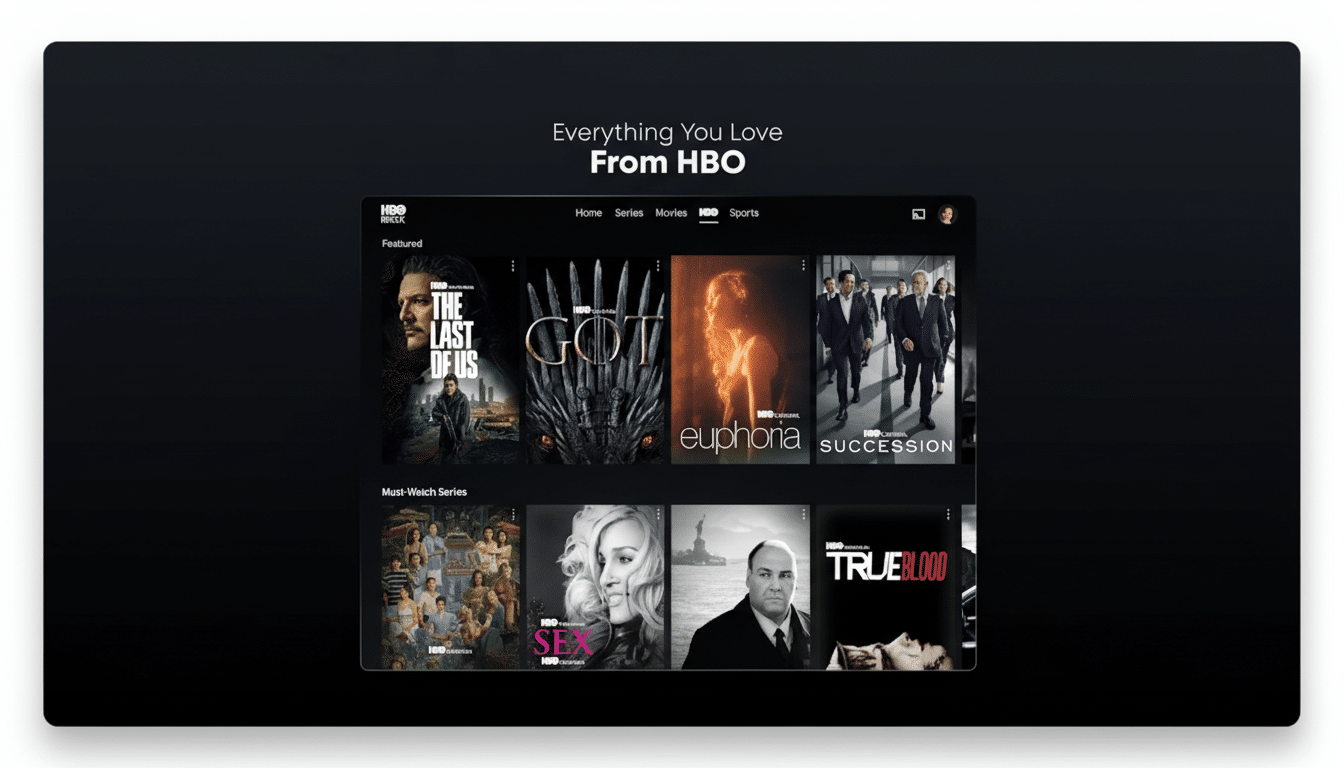
Paramount leadership signaled that HBO’s creative engine will remain autonomous even as product and distribution merge. That’s an important pledge: HBO remains one of TV’s most reliable quality signals, and brand dilution has real downside. Expect the new app to position HBO as a prominent hub within a broader service, similar to how premium tiles have been elevated inside other mega-apps.
On paper, the consolidated catalog is formidable: franchises from Harry Potter and Game of Thrones to Top Gun, Star Trek, and Looney Tunes, plus a deep bench of kids, reality, and library TV. The companies have also touted Yellowstone; however, some legacy licensing deals could limit availability in certain regions, a common complication when merging libraries.
Pricing and Tiers to Watch as Plans Take Shape
Pricing is not final. For now, the best guide is current rates. HBO Max’s entry ad-supported plan starts around $10.99 per month, while Paramount+ begins lower with an ad tier near $8.99 and an ad-free option near $13.99. A unified service will likely keep an ad-supported base, a premium ad-free tier, and possibly a sports-inclusive bundle to lift average revenue per user without scaring off price-sensitive viewers.
Industry data supports this trajectory. Antenna’s subscription tracking has shown that ad-supported plans meaningfully reduce churn versus premium-only lineups, and company disclosures across the sector indicate ad tiers now represent a sizable share of new sign-ups. Nielsen’s The Gauge has also highlighted the growing time-share of FAST and ad-light streaming, underscoring why a merged platform will lean into advertising for growth.
A Deal of Massive Scale and Regulatory Hurdles
The transaction is pegged at roughly $111 billion, with Paramount set to own Warner Bros. Discovery outright after unanimous board approvals. Final closing will require sign-off from U.S. and European regulators. While streaming remains a fiercely competitive field with numerous large players, authorities will scrutinize whether consolidation could squeeze rivals in content licensing or advertising. For context, the Disney–Fox combination cleared after targeted divestitures; analysts at MoffettNathanson and Ampere Analysis have noted similar remedies are common in media mergers to address overlaps.
Technology Integration and Customer Migration
Paramount says it is already consolidating its own streaming products under a single tech stack, a playbook it plans to repeat with the combined service. That groundwork matters. Merging identity systems, profiles, watchlists, billing, and recommendation engines is where many integrations stumble, and small missteps can spike churn. Deloitte’s media outlook has warned that account migrations and app relaunches are high-risk moments; proactive communication, one-click upgrades, and transparent pricing are key to smoothing the switch.
Expect phased rollouts: initial cross-promotions and bundling, then account linking, followed by a unified app. Regions with simpler rights will likely move first. Customers should see familiar brands and tiles rather than a single monolithic feed, an approach that keeps the prestige of HBO intact while showcasing Paramount’s breadth.
Sports and the Live Edge in a Unified Streaming App
Live rights complicate—and elevate—the proposition. Paramount+ has leaned on soccer and the NFL via its broadcast sibling, while Warner Bros. Discovery has made sports a pillar in its portfolio. A combined service could knit these into clearer bundles, though rights windows and competitive renewals will shape what’s included at various tiers. For viewers, the upside is fewer apps to chase a marquee match or a prestige drama; for the company, sports can anchor retention between tentpole series.
What Viewers Should Expect Next as Services Combine
In the near term, nothing changes for existing subscribers beyond more aggressive cross-promotions. The companies have telegraphed a multiyear path to a single service, pending regulatory approvals. When the unified platform launches, look for introductory bundles, migration credits, and prominent content launches designed to convert holdouts quickly.
The strategic bet is clear: one bigger service can spend smarter, advertise more effectively, and cut duplication, improving margins without losing the creative edge that makes HBO indispensable. If the execution matches the ambition, the merged platform could reset the streaming balance of power—and give subscribers a simpler, richer home screen.

