


Hachette Book Group has halted publication of the horror novel Shy Girl in the United States and is discontinuing the title in the United Kingdom after determining the manuscript raised concerns about artificial intelligence. The rare withdrawal by a major publisher underscores the industry’s growing unease over AI-tainted prose and the difficulty of policing authorship at scale.
What Triggered the Withdrawal of Shy Girl
Shy Girl had been slated for a U.S. release this spring, while the U.K. edition was already in circulation. Hachette said it reached its decision after a review of the text, following a burst of online scrutiny from readers who flagged passages they believed revealed machine-generated patterns.
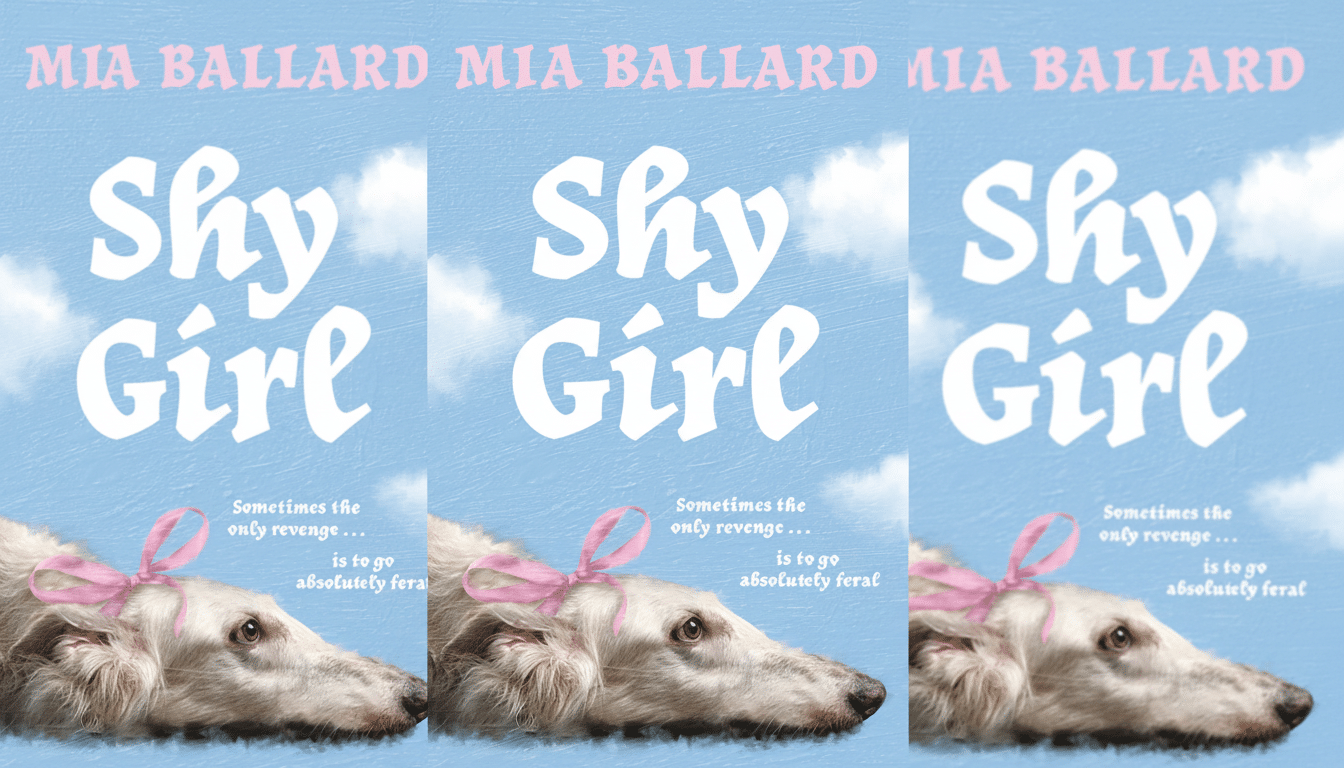
Speculation began on Goodreads and YouTube, where reviewers dissected style tics they associated with AI tools—repetitive sentence structures, vague metaphors, and continuity slips. The New York Times said it contacted Hachette about the growing concerns the day before the announcement, suggesting the publisher moved quickly once questions became public.
Author Response and Broader Editorial Context
Author Mia Ballard has denied using AI to write the novel, telling The New York Times that an acquaintance hired to edit an earlier self-published version may have introduced AI-generated material. She said she is pursuing legal action related to the dispute and described the controversy as personally and professionally damaging.
Publishing observers noted that when major houses acquire works that previously appeared in other forms, the subsequent in-house edit is often light. Writer Lincoln Michel and others have pointed out that such practices can allow earlier text choices—good or bad—to persist into the final edition. If AI-derived phrases entered during a prior round of editing, that history can be difficult to unwind later.
Spotting AI and the Limits of Detection Tools
Readers often cite telltale signs when they suspect AI involvement: generic phrasing, circular descriptions, abrupt tonal shifts, and plot logic that drifts without clear motivation. Those signals drew attention to Shy Girl, but experts caution that no single red flag is definitive.
Academic research has also cast doubt on automated detectors. Stanford University researchers reported that widely used AI detection tools frequently misclassify human-written text, particularly from non-native English writers, producing high false-positive rates. That reality puts more weight on publishers’ editorial reviews and documentation rather than on detection software alone.

An Industry on Guard as Generative AI Proliferates
Traditional houses are rewriting playbooks for the generative AI era. Many are adding warranties to contracts requiring authors to disclose any use of AI tools and to guarantee that submitted manuscripts are original. The Authors Guild in the U.S. and the Society of Authors in the U.K. have urged clear labeling, fair compensation, and tighter contract language as baseline safeguards.
Elsewhere in the ecosystem, stress fractures have already appeared. In 2023, the science fiction magazine Clarkesworld temporarily closed submissions after receiving hundreds of suspected AI-generated stories within days. Amazon’s Kindle Direct Publishing subsequently introduced an author disclosure requirement for AI-generated or AI-assisted content and capped how many books a single account can upload daily to curb spammy output. These measures show how quickly AI can overwhelm editorial workflows without robust controls.
Implications for Retailers and Readers After Withdrawal
When a publisher discontinues a title, retailers typically halt sales and adjust listings, though copies already sold may remain in circulation and libraries. For readers, the episode raises a practical question: how to trust the provenance of a book when supply chains include self-publishing, freelance editing, and rapid digital distribution. For publishers, it’s a reminder that provenance checks and chain-of-custody documentation are becoming as critical as copyedits.
What to Watch Next in the Publishing Response to AI
Hachette’s move will likely accelerate calls for transparent AI disclosures, clearer contractual warranties, and better editorial forensics—especially when acquiring previously released works. Whether the industry coalesces around standardized labels or audit trails for manuscripts could determine how quickly confidence is restored after high-profile flare-ups like Shy Girl.
For authors and editors, the immediate lesson is pragmatic: document the creative process, retain version histories, and be explicit about any tool use. For readers, expect more publishers to publicly explain their review steps—because in the new authorship economy, trust is part of the product.

