


One of the world’s largest trade publishers has halted the US release of the horror novel Shy Girl following mounting claims that the book’s prose shows signs of AI generation. The title disappeared from the publisher’s site and major retailers after questions from reporters, with The New York Times noting it may be the first commercial novel from a major house withdrawn over suspected AI use.
Before the move, Shy Girl had drawn significant early attention online, earning nearly 5,000 Goodreads ratings and selling just under 2,000 copies in the UK, according to industry figures cited in news reports. The decision underscores a new fault line for big publishing: how to verify authorship and maintain reader trust as AI writing tools proliferate.
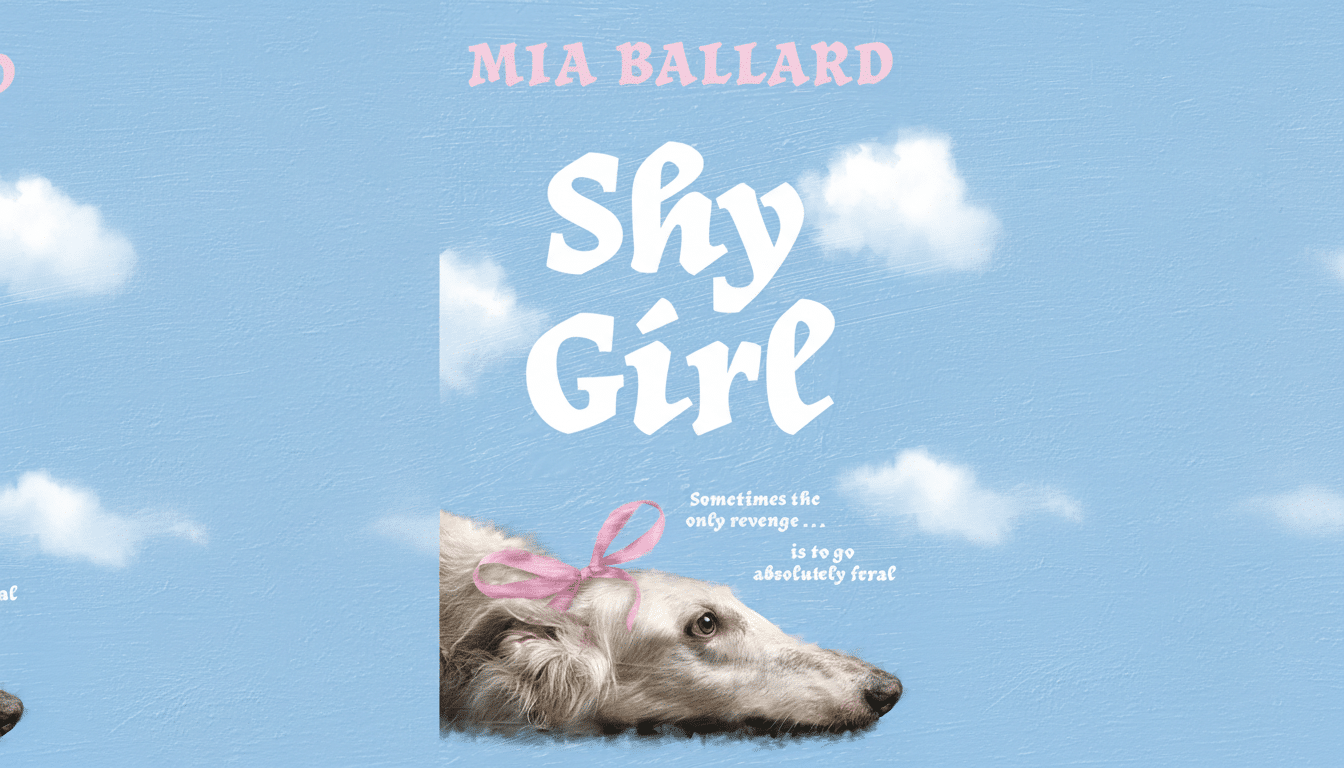
What Sparked the Backlash Against Shy Girl’s Release
Suspicion coalesced after months of crowdsourced sleuthing on Reddit, YouTube, and book forums, where readers flagged patterns commonly associated with machine-written text. Examples included heavily adjectival phrasing, a repetitive cadence, and recurring metaphor clusters—especially weather-related similes—that critics said felt algorithmic rather than authored.
Such telltale tics aren’t definitive on their own, but they have become familiar to editors and educators confronting a flood of AI-assisted writing. The conversation around Shy Girl became a test case for whether large publishers would act on community-driven concerns rather than wait for a confirmed technical determination.
Author Denies AI Use and Points to Editorial Process
Author Mia Ballard has rejected the accusation that she used AI to write the book, saying any unusual phrasing could have originated in the editorial pipeline without her consent. She described the episode as personally devastating and said the public scrutiny has had serious effects on her well-being.
That defense raises a thorny question for the industry: even if an author writes a manuscript without AI assistance, what obligations do publishers and freelancers have to disclose if automated tools were used during editing, copyedits, or line-level rewrites? Contracts typically require authors to warrant originality and noninfringement, but few legacy agreements explicitly contemplate generative AI in the workflow.
A First for Big Publishing but Not for Gatekeepers
While this appears to be the most prominent Big Five withdrawal tied to AI suspicions, smaller gatekeepers have been grappling with the problem for some time. Clarkesworld Magazine, a leading sci-fi outlet, temporarily closed submissions after being inundated with AI-generated stories, reporting a surge of hundreds of spam entries within weeks. Other journals tightened verification steps or introduced waiting periods to slow automated floods.
Complicating matters, AI detectors have proven unreliable. OpenAI discontinued its own text classifier, citing low accuracy, and academic researchers have documented false positives and bias—particularly against non-native English writing. That mixed track record makes publishers wary of treating automated detection as dispositive evidence, pushing them toward holistic evaluations that include stylistic analysis, timeline checks, and source verification.

How Publishers and Retailers Are Responding
Trade publishers are experimenting with new playbooks: disclosure requirements for any AI assistance, stricter authorship warranties, and indemnities that address generative tools explicitly. The Authors Guild has circulated model contract language, and the Association of American Publishers has urged transparency and consent in AI training and use. Academic imprints, including major science publishers, already require authors to detail if and how AI tools were used, a framework trade houses are beginning to mirror.
Retail platforms are also adapting. Amazon’s self-publishing arm instituted title-upload limits and requires authors to disclose AI-generated content. Booksellers and distributors are quietly piloting provenance checks—ranging from manuscript version controls to editor attestations—to reduce the risk of releasing machine-produced work labeled as original human fiction.
Legal and Ethical Stakes for AI in Publishing
The US Copyright Office has clarified that protections extend only to human-authored expression; creators must identify AI-generated portions when seeking registration. For commercial publishers, that means failing to disclose AI use can jeopardize a book’s rights status and raise liability concerns, even before reputational fallout is considered.
Ethically, readers expect clarity. Surveys by organizations tracking media trust show that disclosure—what tools were used, and to what extent—can preserve confidence even when automation assists in limited ways. The challenge is operational: setting disclosure thresholds that are practical, auditable, and fair to authors who collaborate with editors using everyday AI-enabled tools.
Why This Case Matters for Authors and Publishers
Shy Girl’s removal signals a new enforcement posture at the top of trade publishing, one that prioritizes brand integrity and reader trust over the risks of pulling a promising title. It also exposes gray areas—where does acceptable assistance end and authorship blur—that will need clearer policy and better tools to adjudicate.
Until detection technology matures, publishers are likely to combine community scrutiny, editorial verification, and contractual disclosure to police the line. For authors, the safest path is proactive transparency around drafting and editing practices; for readers, episodes like this may accelerate calls for standardized labels indicating when and how AI entered the creative process.

