


Android 17 is shaping up to be more than cosmetic polish. Hidden strings in the latest beta point to a new capability called Priority Charging, designed to speed up top-ups by temporarily pausing nonessential background activity and actively managing heat. The feature even recommends pairing your phone with a 30W+ adapter, underscoring that this is a cooperation between software smarts and capable hardware rather than a simple toggle.
What Priority Charging Does to Speed Up Top-Ups
Priority Charging appears to be a “focus mode” for power delivery. When enabled, Android would defer tasks like app updates, photo backups, and indexing so more energy can flow directly into the battery. Crucially, time-sensitive communications such as calls and texts are expected to continue, so you don’t sacrifice availability while your phone races to recover charge.
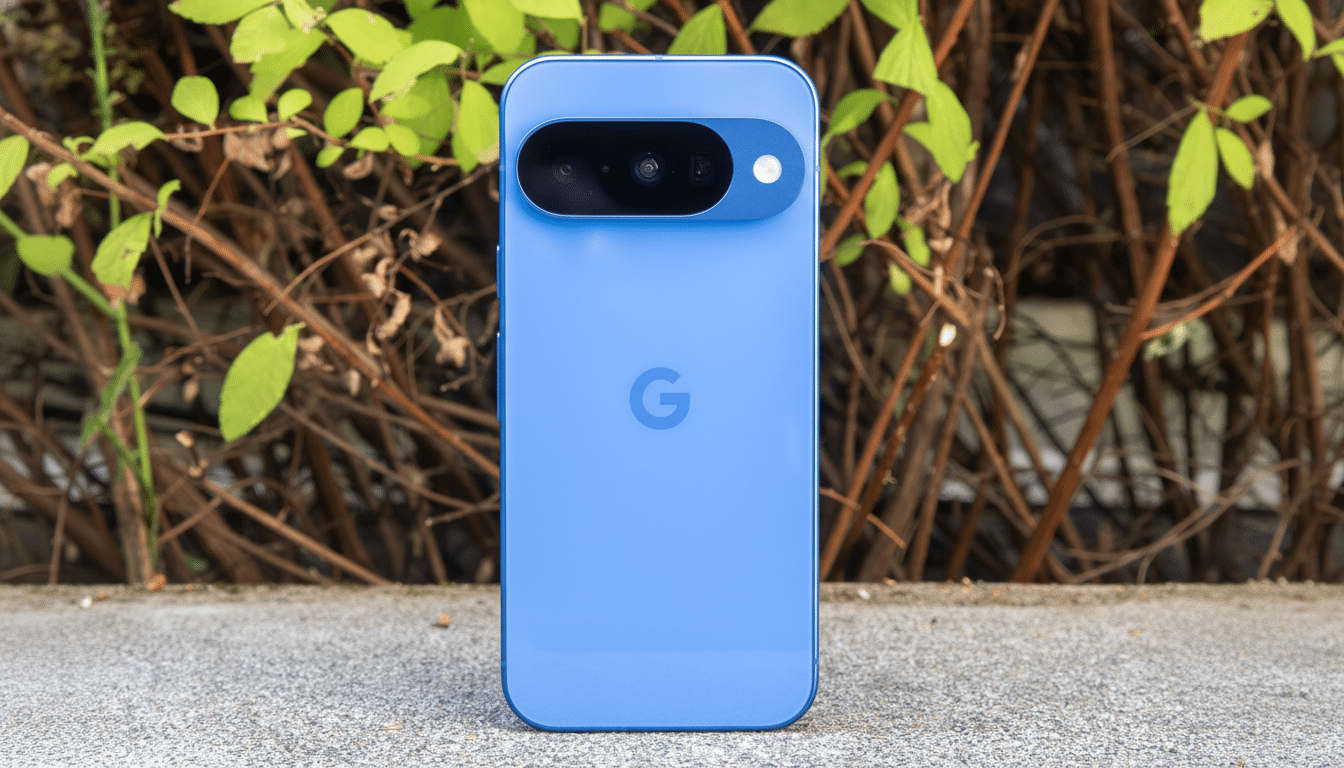
System prompts referenced in beta code suggest users will see guidance to use a 30W or higher charger. That tracks with recent Pixel hardware, which typically peaks near 30W over USB Power Delivery with PPS. By keeping the device cooler and cutting CPU and network chatter, the system can preserve higher charging rates for longer—especially helpful for 0–50% “splash-and-go” top-ups.
Just as important, Android would proactively supervise temperature, a key factor in both safety and battery longevity. Fast charging generates heat, and lithium-ion cells degrade faster when they’re both hot and near full. Prioritizing charge while holding temperatures in a safe band reduces wasted energy and the throttling that can erase the gains of a higher-wattage brick.
How It Likely Works Under the Hood in Android 17
While Google hasn’t detailed implementation, the behavior hinted in the beta aligns with Android’s existing plumbing. Expect the system to defer JobScheduler and WorkManager tasks, temporarily throttle automatic app updates, quiet background syncs, and clamp down on wake locks that keep the CPU active. That reduces the device’s own power draw so the charger’s current can preferentially refill the battery.
On the thermal side, Android’s power and thermal HALs can coordinate with the charging controller to balance current, voltage, and device temperature. This dynamic management is common in phones that support USB PD PPS, allowing the system to adjust in fine-grained steps to stay within safe thermal envelopes while maintaining the fastest sustainable rate.
Why It Matters More Than a Bigger Watt Number
Some manufacturers tout 80W–150W wired charging, but the day-to-day experience depends as much on efficiency and heat as it does on peak numbers. Independent battery research highlighted by engineering groups such as IEEE and long-running references like Battery University consistently show that higher temperatures and high states of charge accelerate capacity fade. Smarter power allocation can therefore shave minutes off a quick refill without paying a long-term penalty.
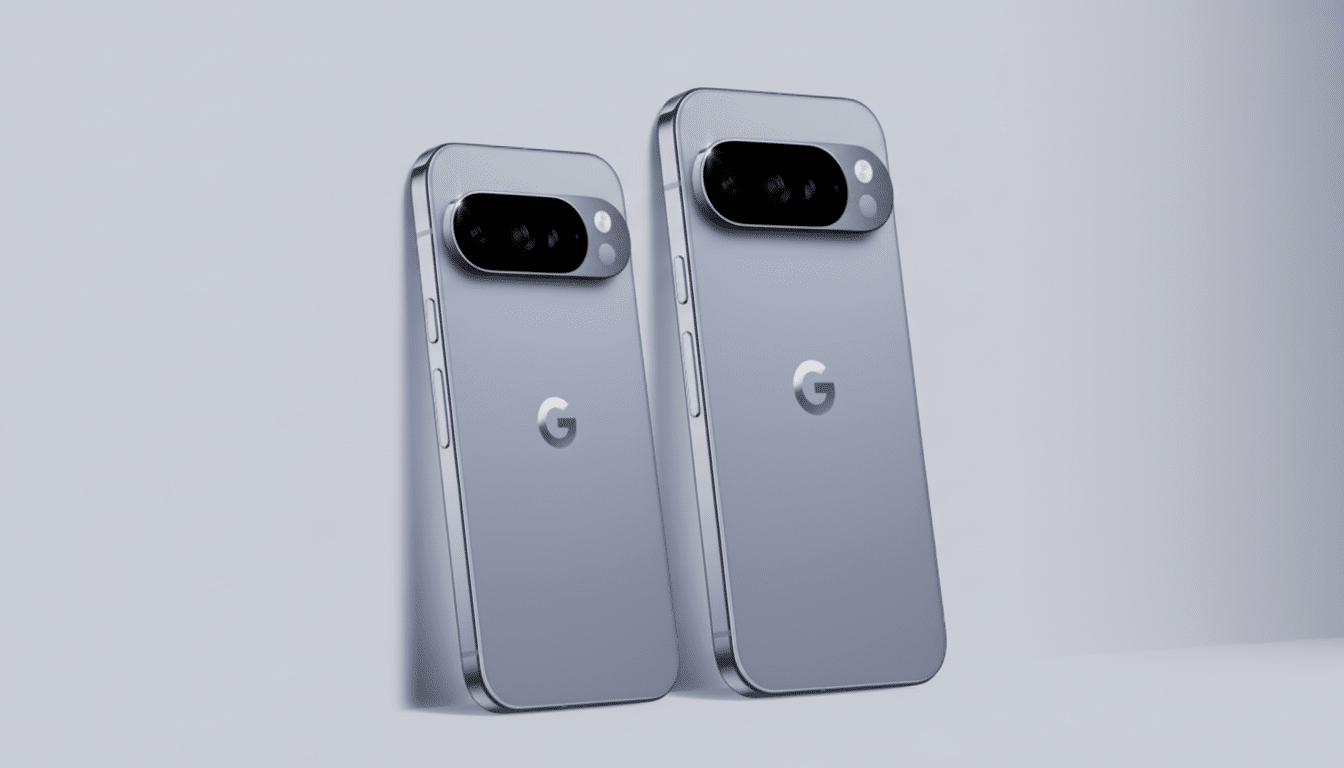
Consider a common scenario: you plug in at an airport with 18 minutes before boarding. If your phone isn’t juggling app updates or cloud restores, the charging controller can hold a higher rate longer, making that short window more productive. For users already in the habit of topping up in brief bursts, Priority Charging could deliver a tangible improvement with zero new accessories beyond a capable 30W+ adapter.
How It Differs From Adaptive Charging and Saver Features
Android and many OEM skins already include Adaptive Charging, which slows charging overnight to reach 100% near wake time, and Battery Saver modes that limit performance to extend run time. Priority Charging flips the script: it accelerates when you’re short on time and transparently pauses background chores that usually kick in the moment a charger is connected. It’s less about adding raw speed and more about putting the system on your schedule.
The approach also complements existing app standby buckets and restricted modes. Rather than permanently penalizing background apps, Priority Charging would apply a temporary, scenario-based limit, then restore normal operations once you’re unplugged or sufficiently charged.
Availability and What to Watch Next for Android 17
There’s no user-facing switch in Android 17 Beta 3 yet, which implies the feature is under active development. If it ships, it will likely debut on Pixel devices first, then spread as OEMs adopt Android 17. Watch for a Quick Settings tile, automation hooks, or a context-aware prompt when the system detects a high-wattage charger—possibly extending to Qi2 pads that can sustain cooler, consistent wireless output.
The broader signal is clear: Google is prioritizing sustainable speed. Rather than chasing headline wattage, Priority Charging aims to extract more from the hardware you already own, with less heat and fewer trade-offs. If execution matches intent, a simple toggle could become one of Android 17’s most useful quality-of-life upgrades.

