


Leaked CAD-based renders point to a Galaxy Z Fold 8 Wide with a stouter cover screen and a broader inner canvas, and that single design move might finally tip me from curious observer to first-time foldable buyer. I’ve passed on earlier book-style folds despite the allure, but this rumored Wide variant appears to fix the two pain points that always held me back: aspect ratio and price positioning.
Why A Wider Foldable Design Finally Makes Sense
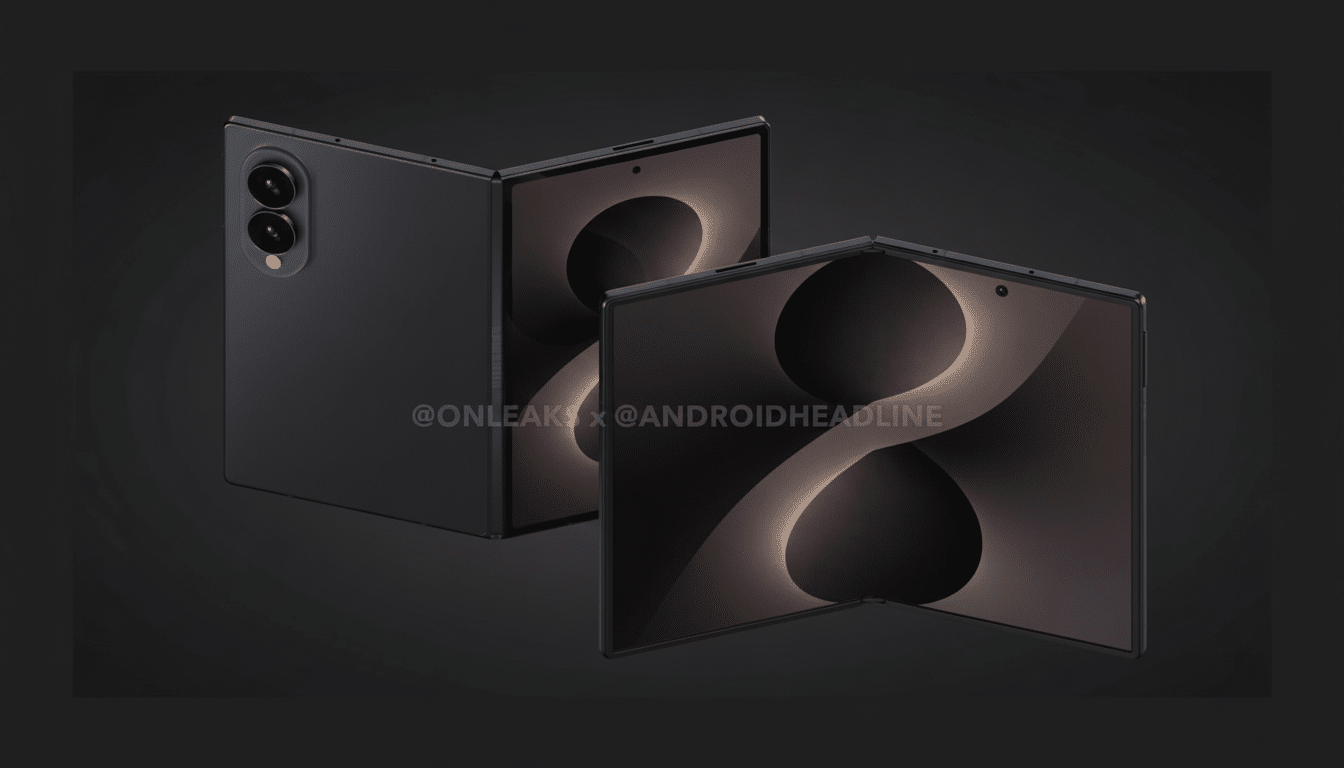
The key change is the shape, not just the size. Renders suggest a 5.4-inch outer display and a 7.6-inch inner panel with a noticeably wider aspect ratio than the near-square layouts used by many big-screen foldables. That matters in daily use. A wider inner display reduces the heavy letterboxing I see with 16:9 video in apps like YouTube and Netflix, while giving productivity apps room to breathe.
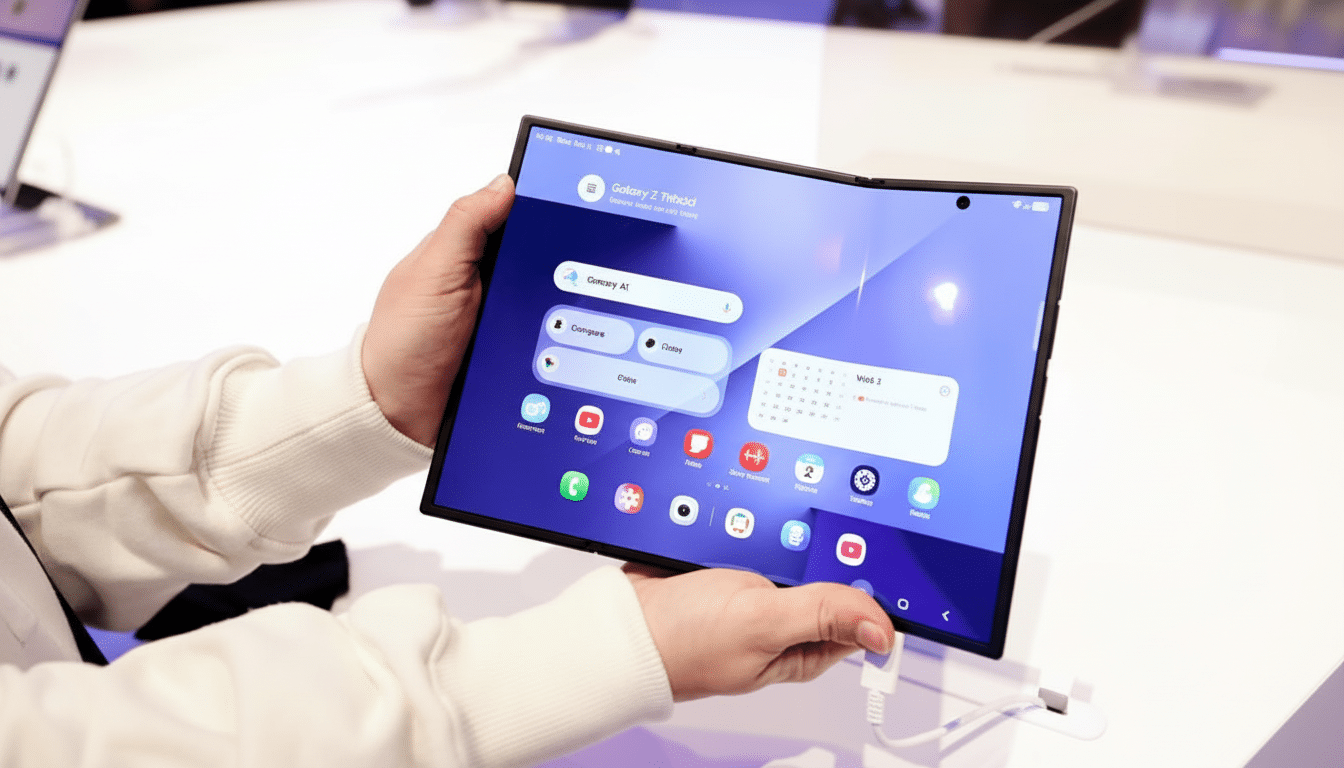
Android’s large-screen improvements in recent versions, especially the dual-pane patterns encouraged since Android 12L, make email, calendar, and chat apps more powerful on a landscape-friendly canvas. Gmail, Google Calendar, Slack, and Docs all work better when panes aren’t cramped. A wider UI also means the on-screen keyboard and app toolbars feel less like compromises.
The rumored shorter, broader cover screen is equally compelling. One-handed usability improves when a phone’s width stays in the sweet spot for thumb reach. Past tall-and-narrow covers often felt like remote controls; this looks more like a normal phone when closed, which is crucial because I still use the outer display most of the time on buses, in lines, and between meetings.
Pricing Strategy And The Two-Camera Trade-Off
Renders also show two rear cameras instead of the usual triple array. That choice could be strategic. Telephoto modules are among the pricier components in modern phones, and eliminating one gives Samsung room to sharpen its pricing or reallocate budget to a brighter panel, a better hinge, or a bigger battery. Teardowns and bill-of-materials analyses from firms like TechInsights routinely show camera stacks as a significant cost driver, so simplifying the system is a logical lever.
Industry trackers such as Counterpoint Research and IDC have reported that foldable shipments keep climbing while average selling prices gradually trend down. That dynamic, combined with aggressive trade-in credits and carrier promos that can cut real-world ownership costs by 30–50% early in a product cycle, could bring the Wide into a zone where it feels like smart spending, not a splurge. If the MSRP undercuts the standard Fold or if the promo stack is generous, I’m listening.
Two cameras don’t automatically equal worse photos. A strong main sensor with larger pixels, competent in-sensor zoom up to 2–3x, and modern multi-frame processing can outshoot older triple-camera systems in many conditions. For my use—people, pets, and documents—reliable main-camera quality and fast shutter speeds matter more than a dedicated long tele.
Real-World Gains I Actually Care About Most
Durability is no longer the anxiety trigger it once was. Panel suppliers tracked by Display Supply Chain Consultants have steadily improved ultra-thin glass, adhesives, and crease management. Most modern foldables are rated for hundreds of thousands of folds, and water resistance is becoming table stakes. If Samsung keeps that trajectory and trims weight while maintaining an “all-day plus” battery, the Wide could cross my personal confidence threshold.
Software polish is another make-or-break. The best foldable experiences nail continuity: open a message on the cover, continue seamlessly inside; drag-and-drop between two or three apps; and quickly launch split-screen presets. Samsung’s multitasking staples—edge panels, pop-up windows, and desktop-style taskbars—already lead the category. A wider layout would make those tools feel less fiddly and more like a mini-tablet.
The S Pen question matters, too. I’m not an every-day stylus user, but a stiffer inner panel and lower-latency inking turn the device into a credible notepad in meetings. If the Wide supports an S Pen with robust palm rejection and a flatter crease, that’s a quiet productivity win.
What Would Truly Seal The Deal For This Fold
My personal checklist is simple.
- First, a price strategy that undercuts the regular Fold or delivers stand-out trade-in value.
- Second, a wider inner display that meaningfully reduces video letterboxing and gives dual-pane apps room to shine.
- Third, a cover screen that’s comfortable for one-handed use and thumb typing.
- Fourth, battery endurance that can survive a heavy day of multitasking and streaming without anxiety.
If those boxes are ticked—and the two-camera system proves solid—I can live without a periscope zoom or extreme macro. I’m more excited by practical wins like a stronger hinge, less glare on the inner panel, and haptics that don’t feel like afterthoughts.
Why This Could Finally Be My First Foldable Phone
Foldables are still a small slice of the market, hovering below 2% of global shipments by most analyst counts, but the category is maturing fast. A wider Galaxy Z Fold 8 Wide aligns with how I actually use a phone—short bursts on the cover, deep work and video on the inside. If Samsung pairs that smarter shape with sensible pricing and the usual software edge, this might be the year I stop window-shopping and finally fold.

