


New entries in the Wireless Power Consortium database point to a meaningful, if measured, upgrade for Samsung’s upcoming Galaxy S26 lineup. The filings indicate support for the Qi 2.2.1 standard, but they also lack the Magnetic Power Profile designation that would confirm built-in magnets. In short, the charging tech looks smarter and more compatible than before, yet the hardware may still skip the snap-to accessories many users now expect.
What the new WPC listings show for Galaxy S26 charging
Three Samsung model numbers — SM-K772*, SM-K777*, and SM-K778* — surfaced in the Wireless Power Consortium’s public listings, widely read as placeholders for the Galaxy S26, S26+, and S26 Ultra. The entries cite Qi 2.2.1 compliance, a revision within the Qi2 family that tightens interoperability, improves alignment handling, and refines thermal and foreign object detection behavior.
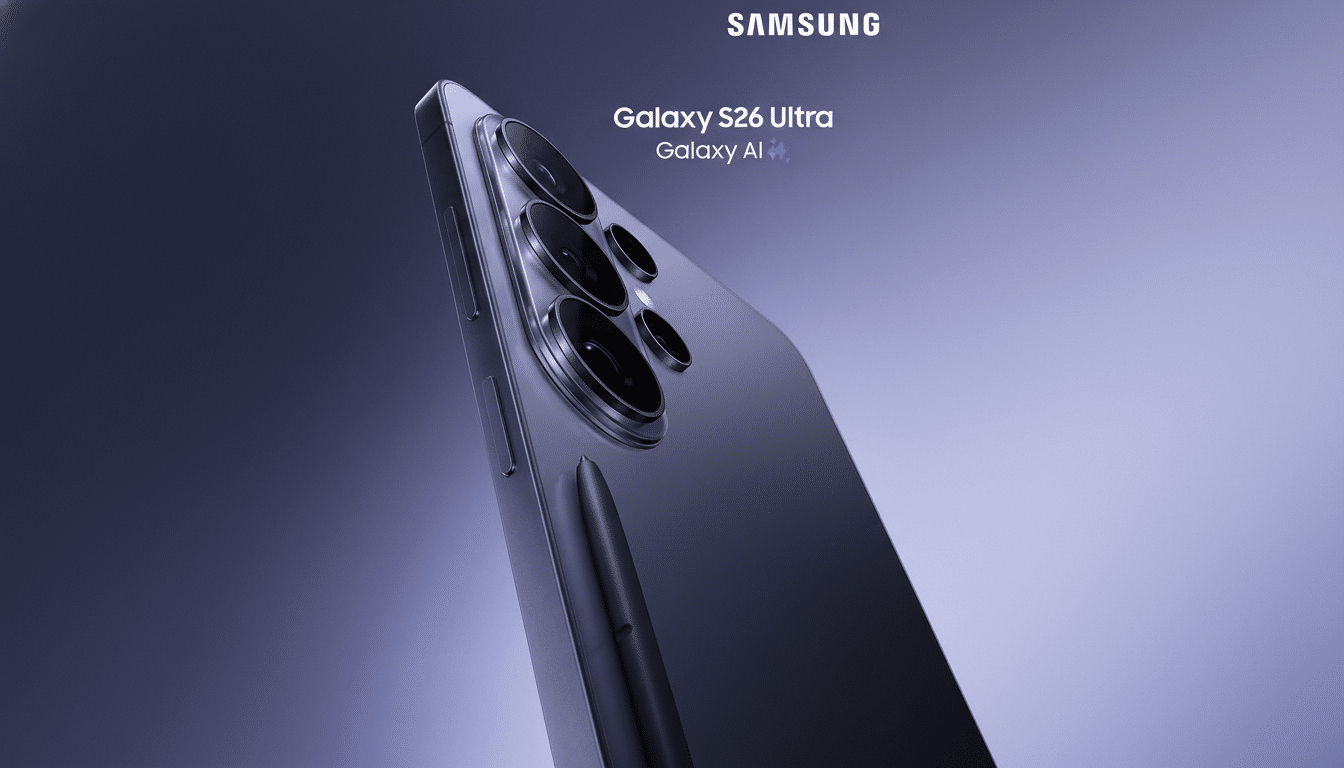
Conspicuously absent is the MPP (Magnetic Power Profile) indicator. In Qi2, MPP verifies that a device includes a ring of magnets to physically align with compatible chargers, à la MagSafe. Without that flag, it is increasingly likely Samsung will continue relying on magnet-enabled cases rather than embedding magnets in the phones themselves — a pattern seen on recent Galaxy flagships.
The good news: faster and smarter charging
Qi2 was designed by the Wireless Power Consortium, with input from companies including Apple, to standardize 15W wireless charging and reduce real-world inefficiencies. By enforcing stricter alignment and authentication, Qi2 helps devices sustain higher power for longer, especially when thermal conditions are managed well. The 2.2.1 update builds on that, smoothing charger–phone handshakes and cutting down on charge “yo-yoing” caused by micro-misalignments.
For Galaxy users, that likely translates to steadier speeds on certified pads and stands, fewer coil misalignment slowdowns, and broader accessory compatibility. It may not look like a spec sheet leap, but it can feel like one: shorter time to reach everyday top-ups (say, 30–80% states of charge) and less heat during long sessions on desks, nightstands, and car mounts.
The bad news: no built-in magnets for alignment
If the WPC data holds, the S26 family still won’t snap to chargers without help from a magnetic case. That has practical downsides. Magnetic alignment is the single most effective way to keep coils perfectly positioned, which is why iPhone models with MagSafe — and newer Qi2 accessories from brands like Belkin and Anker — tend to deliver more consistent 15W results.
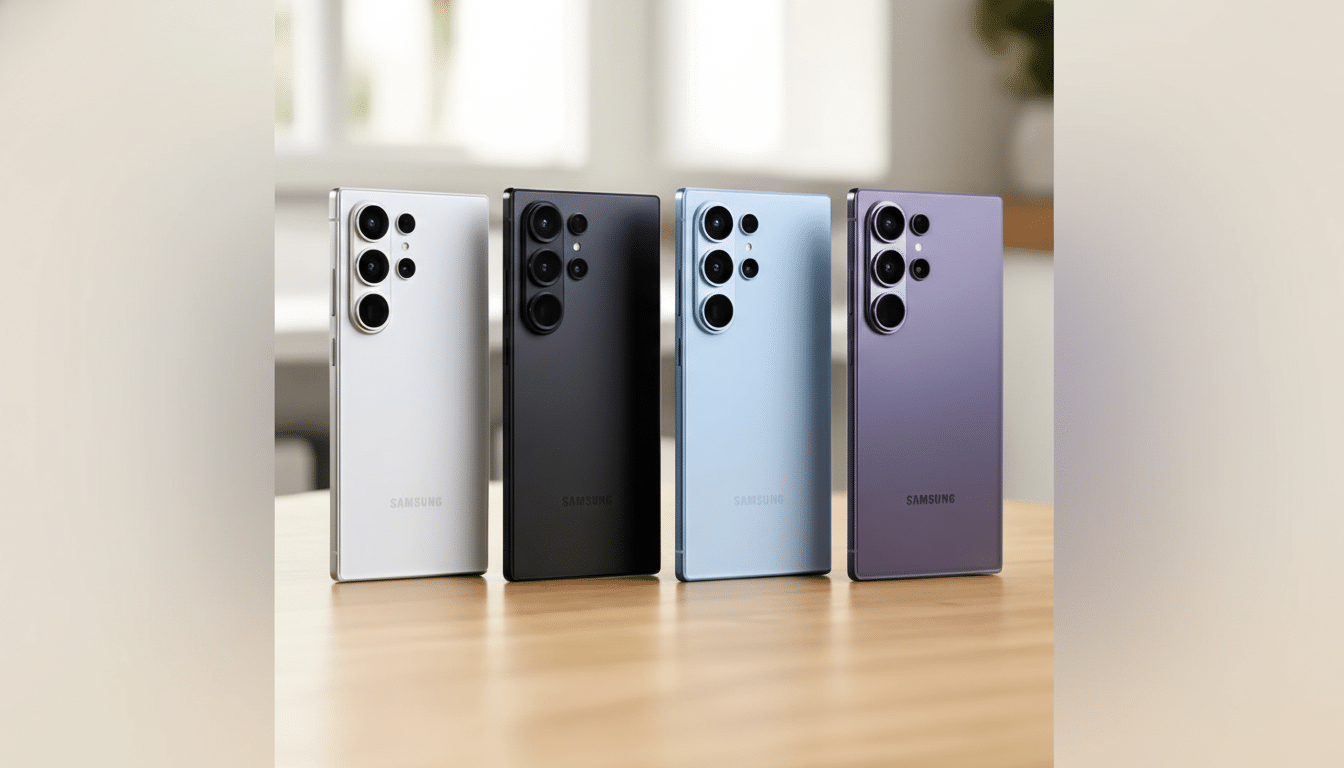
Relying on cases adds cost, bulk, and accessory lock-in. It also creates a mixed user experience: remove the case and alignment can slip; keep it on and you gain stability but at the expense of thickness and potential heat buildup. For in-car charging and desk stands, the lack of native magnets can mean more fiddling and occasional drop-offs when vibrations or nudges nudge the phone off the charger’s sweet spot.
What it means for real-world charging speeds in use
Headline wattage tells only part of the story. Samsung has historically capped wireless input around 15W, and Qi2 standardizes that ceiling for certified gear. The differentiator is how long a device can hold near-peak wattage before throttling. Qi 2.2.1’s tighter control stack should help the S26 stay closer to its target longer, especially with robust thermal management and certified pads.
However, without built-in magnets, sustained performance may vary more with placement than on magnet-equipped phones. You can still get strong results, but they’ll depend on coil alignment, pad quality, and case design. Expect the best outcomes from Qi2-certified chargers with solid surface grip or gentle guide rails, and from Samsung’s own ecosystem accessories.
Ecosystem and compatibility outlook for Galaxy S26 buyers
The broader story is positive. The WPC says the Qi program now spans over a billion certified devices, and Qi2 is rapidly becoming the default for new accessories. That means a deeper pool of stands, pads, car mounts, and battery packs optimized for standardized power delivery and safer operation. For Galaxy buyers, upgrading to the S26 should unlock the newest Qi2 gear without proprietary caveats.
If Samsung continues the case-based magnet approach, expect first-party and licensed cases to play a bigger role. The upside is choice and cross-compatibility with mainstream Qi2 MPP chargers; the downside is that the clean, case-free snap-and-charge convenience remains out of reach. Until Samsung embraces integrated magnets, the S26’s wireless charging story will be a tale of smarter standards paired with a still-incomplete hardware experience.
