


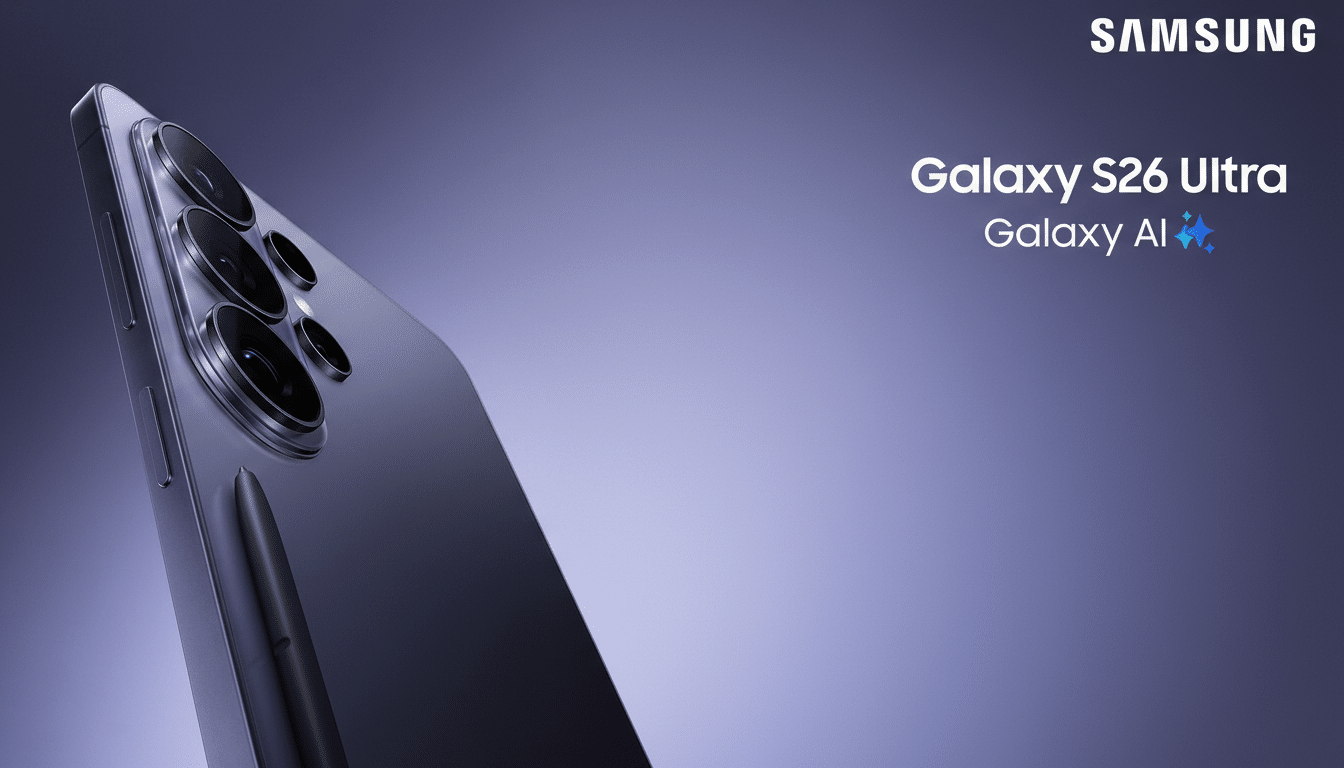
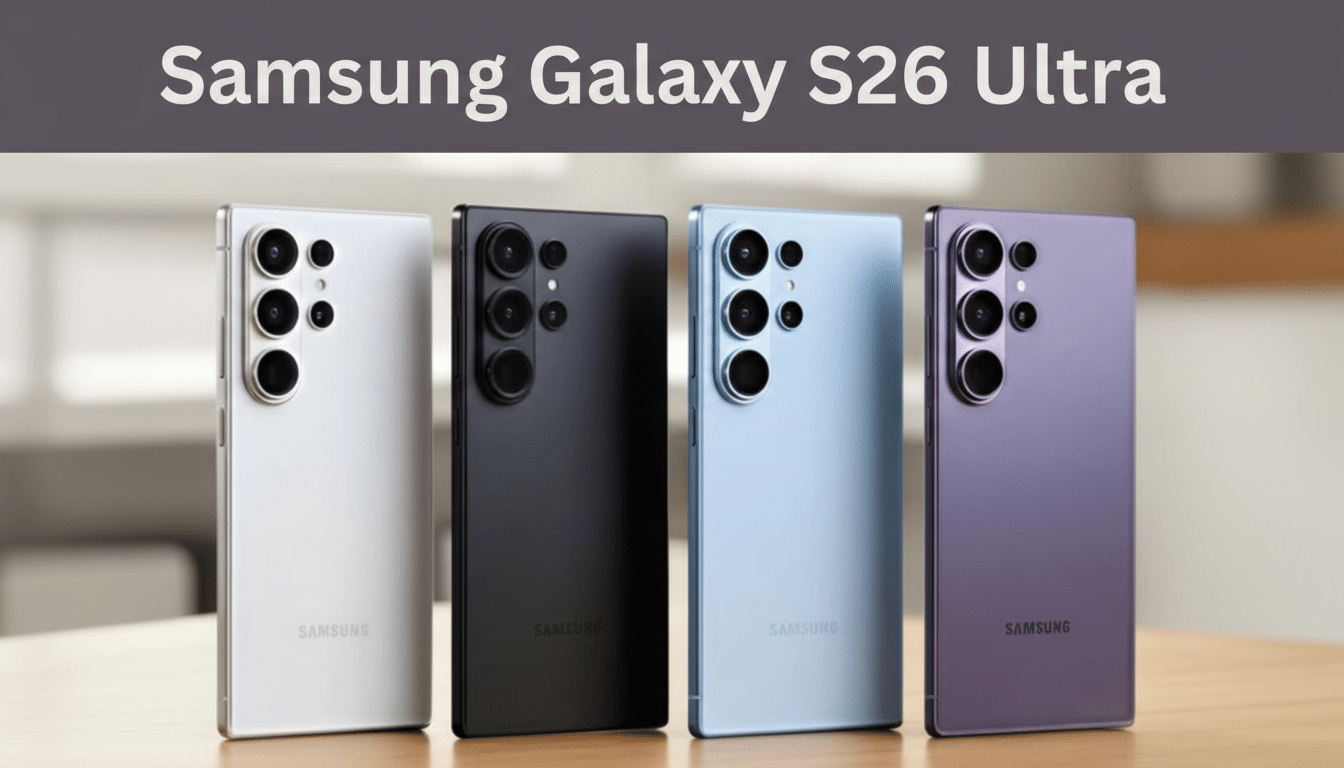
The next Galaxy S26 may give buyers a clear, if early, reason to choose the Exynos variant. According to reporting from Seoul Economic Daily, Samsung is preparing native, on-device image generation for models running the Exynos 2600, a capability that could debut ahead of a comparable consumer rollout on Snapdragon versions.
What EdgeFusion Brings to Exynos and On-Device AI
Samsung is said to be developing a feature called EdgeFusion, a lightweight implementation of the popular Stable Diffusion text-to-image model tailored for the Exynos 2600. The work is reportedly in partnership with Nota AI, a Korean firm known for optimizing neural networks for edge devices through techniques like quantization, pruning, and knowledge distillation.
EdgeFusion is expected to generate 512 x 512 images in a few seconds without an internet connection. Running generative models locally is more than a party trick: it cuts latency, preserves privacy, and keeps creative workflows usable in dead zones or enterprise environments where cloud use is restricted.
The Exynos 2600 is widely rumored to leverage a 2nm-class process and a significantly upgraded NPU. That combination—denser transistors, improved memory bandwidth, and mixed-precision compute—matters for Stable Diffusion, which is both memory-hungry and compute-intensive. Getting to “seconds” rather than “minutes” typically requires aggressive optimization across the model and the silicon.
Why Exynos Could Lead Over Snapdragon at Galaxy S26 Launch
Chipmakers have already proven the concept. Qualcomm has showcased Stable Diffusion running on Snapdragon hardware in controlled demos, and desktop-class runs on its PC platforms are even faster. The difference here is consumer-ready software on phones. If Samsung ships EdgeFusion first on Exynos, that is a tangible feature advantage—at least at launch.
To be clear, Samsung often aims for feature parity between Exynos and Snapdragon models. The company has not confirmed whether similar functionality will reach Galaxy S26 units powered by the expected Snapdragon 8 Elite Gen 5. But optimization pipelines, toolchains, and firmware governors are often tuned chip-by-chip. If EdgeFusion has been co-developed for Exynos right down to memory layouts and low-bit quantization, early access could land there first.
The report also claims the Exynos-focused implementation outpaces previous Snapdragon demos. That would track if Samsung and Nota AI compressed the model to fit within on-device memory while minimizing the quality hit that can come from heavy quantization. Even modest improvements—fewer steps per image, smarter schedulers—can compound into meaningful gains on phone-class hardware.
Real-World Perks and Practical Limits of On-Device AI
On-device image generation isn’t just faster and more private; it changes how people use their phones. Think quick mood boards on the subway, product mockups during client meetings, or visual drafts during flights. In bring-your-own-device workplaces, keeping prompts and outputs local can also simplify compliance and reduce data exposure.
There are trade-offs. A lightweight Stable Diffusion model will likely cap image size and detail compared to full-cloud versions. Expect 512 x 512 as the sweet spot for speed, with quality guided by efficient schedulers and upscalers. Battery impact and thermals will matter too. The best implementations run bursts that complete within seconds to keep heat and drain in check.
For most social uses—thumbnails, story art, stickers—those constraints are acceptable. For high-resolution marketing assets or finely controlled photorealism, the cloud will still win. The key is giving users a credible offline baseline that covers everyday creativity.
The Players and the Ecosystem Behind EdgeFusion on Exynos
Nota AI’s background in edge optimization is central here. The firm specializes in compressing large models to run on constrained hardware while keeping output quality as high as possible. That aligns with a broader industry push: Apple touts Neural Engine advances for on-device features, Google leans on Tensor for speech and camera AI, and chip NPUs across the board are racing to higher TOPS and better efficiency.
The report hints at broader collaborations with global tech companies, which would make sense if Samsung plans to scale on-device media generation beyond simple prompts—think style transfers, background swaps, or guided edits that blend generative fill with traditional photo pipelines.
What to Watch When the Galaxy S26 Series Launches
Several questions remain:
- Will Snapdragon-powered S26 models ship with equivalent capabilities, or receive them shortly after?
- How large is the local model and can it be updated via the Galaxy Store?
- What guardrails and watermarking will Samsung apply to generated images?
- How well does the compressed model preserve detail, color fidelity, and prompt adherence compared to full-fat Stable Diffusion?
Samsung is also expected to show a more capable Bixby as part of its next One UI release, reportedly enhanced by technology from Perplexity AI for smarter search and answers. Combined with EdgeFusion, that would mark a broader pivot toward on-device and hybrid AI that users can feel every day.
For now, if on-device image generation matters to you, the Exynos Galaxy S26 looks like the safer bet at launch. As always, independent testing will tell us whether this early lead holds—and whether the Snapdragon version quickly closes the gap.
