


The game store is coming to the conversation on Discord. The company is rolling out an integrated commerce layer that allows gamers to purchase in-game items without exiting Discord, including wishlists and direct message gifting. The first public test lands in the official server for Marvel Rivals, but it also marks a larger effort to turn Discord’s social graph into an instant point-of-sale opportunity for developers.
Why Discord In-App Purchases (IAP) Matter
Shopping where the players already chat removes the biggest friction in digital commerce: context switching. Instead of launching to a link or web storefront, fans can browse and buy inside the same server where they share clips, patch notes and strategies. Baymard Institute research reveals that checkout complexity is a top cause for shoppers leaving carts, and in gaming, reducing even a few clicks can uplift conversion, particularly when it comes to impulse-friendly cosmetic items.

It also fits with where game communities exist. For PC and cross-platform games, Discord is the de facto backchannel. Placing a store inside those communities allows engagement to be converted into revenue, and provides studios with the opportunity to surface timely offerings around events, balance updates or creator-driven moments.
How the new Discord game item shop works for players
Every game that takes part will receive a dedicated shop page within its official server. There, players can search through items including bundles, character skins, emotes and emoji packs and complete a purchase without leaving Discord. Wishlists allow users to flag what they want; friends can then check out that list and buy items as gifts, and gifting also functions more directly over DMs should you want to deliver something as a quick one-to-one surprise.
Upon launch, the shop supports U.S. currency and is available on the desktop app for players in various markets including the United States, Canada, U.K., Ireland and Oceania. The company says other areas are under consideration, and that would be a logical next step if early signals from its engagement are strong. Mobile availability has not yet been announced, but heavy smartphone usage on Discord’s part would unlock meaningful scale expansion.
Marvel Rivals as a high-impact pilot for Discord shops
Selecting Marvel Rivals as the launch partner is significant for the feature’s early reach. The hero shooter hit 10 million users in just three days, made over $100 million in its first month, and gained a community of four million players on Discord. That mix of speed and volume of chatter makes it a perfect test bed to quantify how social proximity influences item sales and gifting behavior.
The integration also establishes a bar for how other live-service games might leverage Discord stores, from timed cosmetics connected to community tournaments to role-gated promotions that encourage server participation. The closer an in-game item is to something players are already jabbering about, the more likely it is to sell.
What It Means for Developers and Discord
For studios, selling within Discord reduces the marketing gap separating discovery from purchase. Developers no longer need to pray that players click out to a store elsewhere: they can now present their offers where sentiment and intent are at their strongest. You can also expect to see teams experiment with creator-led drops, clan-based bundles and server-exclusive cosmetics that have functionality in-game — formats that translate nicely into chat.
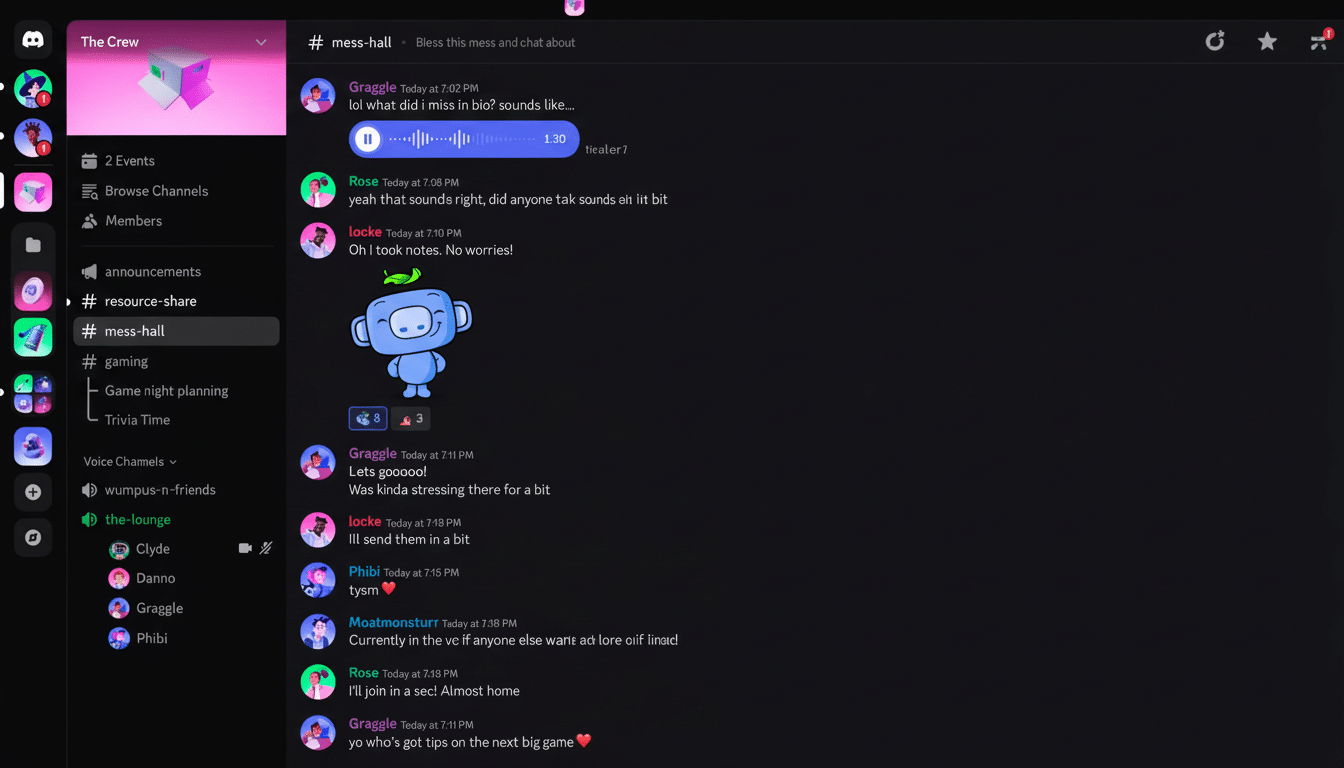
For Discord, it meanwhile adds a new monetization pillar outside of Nitro and server subscriptions. Fees and rev-share have not been revealed by the company. Just some context, the big PC storefronts usually take in the low teens to around 30% depending on volume and program terms. Even at modest economics, incremental take rates on high-frequency microtransactions can still add up if adoption spreads across leading servers.
Industry analysts have long observed that in-game items and live-ops content are generating the lion’s share of all ongoing game revenue — especially on mobile, but increasingly also on PC/console, per groups like Newzoo and Sensor Tower. A social-native storefront will put Discord in a position to take part in that growth firsthand, rather than simply facilitating the conversation around it.
Payments, Security, and Policy Implications
Bringing commerce on-platform also introduces familiar responsibilities. They will expect very transparent pricing, fraud protection and seamless refund flows. Regulators like the FTC, as well as those in the U.K. such as the country’s CMA, have stressed transparency for digital goods and age-appropriate design specifically around loot-box-like mechanics. Discord already manages payments for Nitro, so this implies the existence of some established tooling around identity, billing and chargeback management, but this will be a space to watch as it’s applied to third-party game items.
Trust and safety teams will also have to be strong enough to enforce against gray-market resellers or phishing attempts that pretend to offer a gift. Server-level permissions and verified developer badges can also help make sure buyers know they’re buying the real deal.
What to watch next as Discord tests in-app game shops
Among the key signals for this feature are:
- Attach rates on wishlists and gifting
- Average order values related to community events
- How often players move from chat to checkout at peak times
If the results look promising overall, more publishers will likely test Discord shops, and regional rollouts should speed up, with deeper integrations into bots, roles and server subscriptions — possibly including bundle offers or Nitro perks that come with exclusive store items.
The question is whether consolidating community, discovery and checkout into a single window can reliably move the needle for live-service titles or not. If it happens, Discord’s servers will be more than meeting places: storefronts that sell in the same utterance they talk.
