


Daryl Hannah has denounced her depiction in the FX series Love Story: John F. Kennedy Jr. and Carolyn Bessette, calling it “textbook misogyny” in a New York Times op-ed that challenges the show’s treatment of women and the liberties it takes with living subjects.
The actor argues the limited series reduces her to a one-note antagonist in the John-and-Carolyn narrative, relying on a familiar trope that pits women against one another for dramatic payoff. Her piece has reignited a simmering debate over how prestige TV dramatizes real people—especially women—without their input or consent.
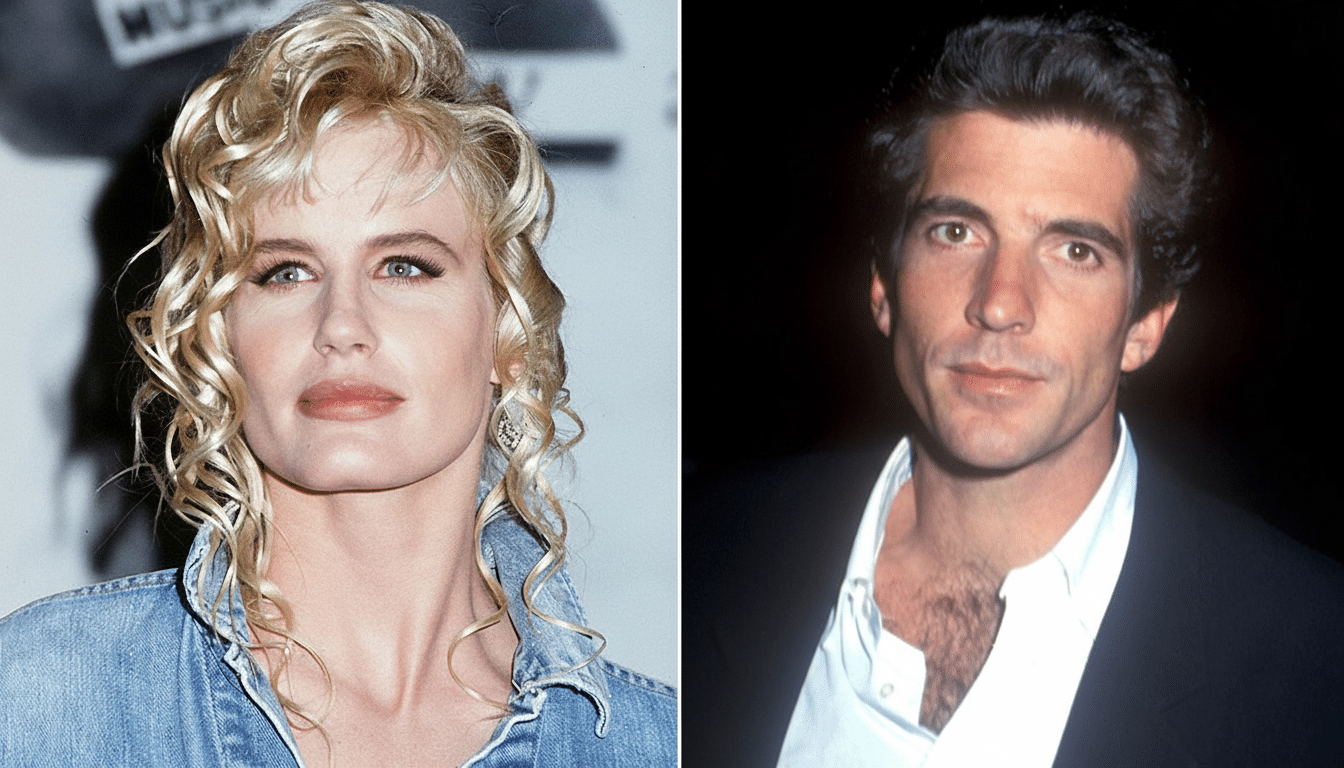
Hannah Rebukes FX Series in New York Times Op-Ed
In the op-ed, Hannah says the show assigns her a caricatured role that exists mainly to heighten the central romance. She calls out what she describes as a gendered storytelling playbook, one that flatters a heroine by flattening another woman into a foil. That creative choice, she contends, crosses a line when the subject is a real person with a real history.
Hannah also disputes some of the most sensationalized moments ascribed to her on screen, saying they never happened. She characterizes these as false claims about conduct, not mere dramatic embellishments, and says the fallout has been personal—she reports receiving hostile and even threatening messages since the series premiered.
FX did not respond to her essay within the op-ed itself, but the show is executive produced by Ryan Murphy, whose true-story projects often court controversy for blurring fact and fiction in pursuit of heightened drama.
Disputed Scenes and the Real-World Fallout They Spark
The specific scenes Hannah flags—depictions of drug use around family mementos and intrusions on private family moments—are the kind of vivid beats that get trailers noticed and social media buzzing. They’re also the moments most likely to calcify into public memory, whether or not they reflect reality.
When dramatizations of living figures lean on controversial fabrications, the consequences can spill off-screen. Research from the Pew Research Center has documented the enduring intensity of online harassment; in its 2021 study, 41% of U.S. adults reported being targeted, with women more likely to face sexualized abuse. Hannah’s account of threats aligns with a pattern in which provocative storytelling choices can trigger mob behavior far from the writers’ room.
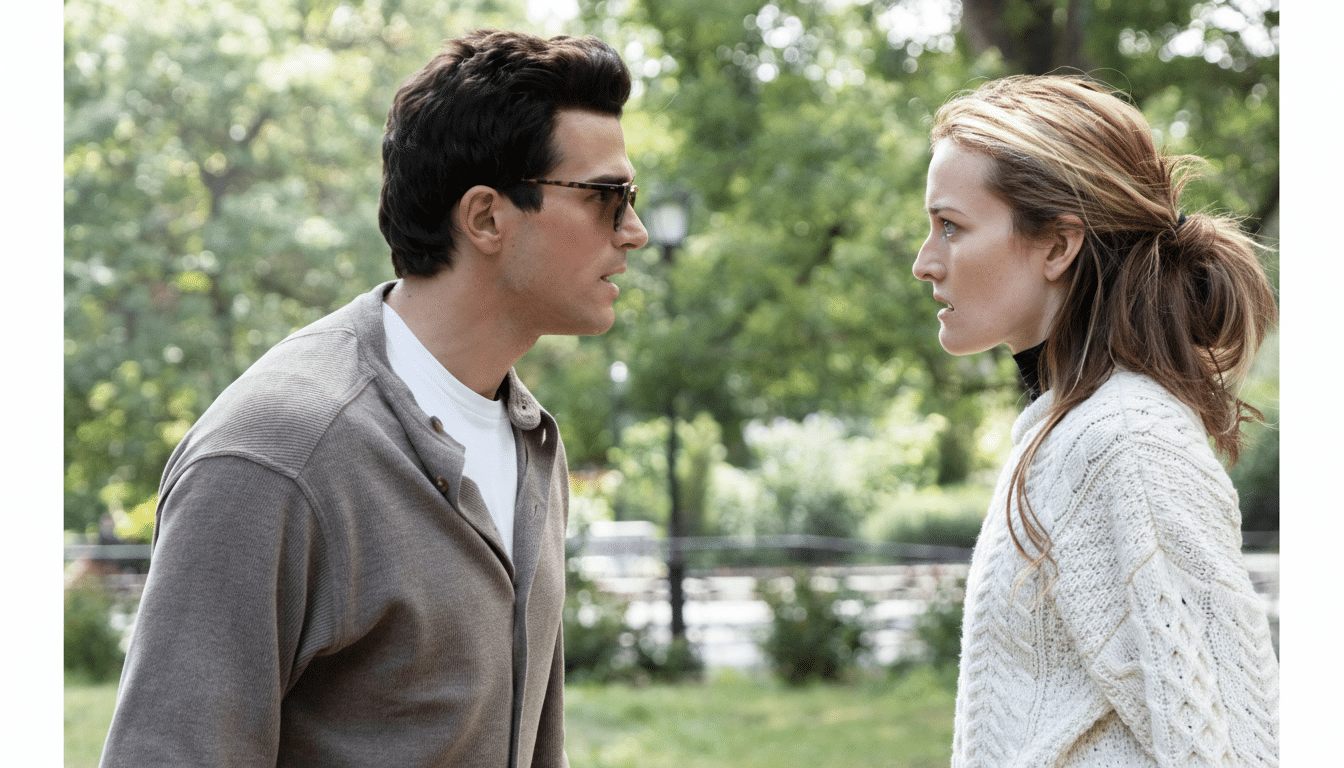
Backlash Extends to the Kennedy Family and Relatives
Hannah is not alone in her criticism. Jack Schlossberg, the son of Caroline Kennedy and nephew of John F. Kennedy Jr., castigated the series in a CBS Sunday Morning appearance, arguing that its makers know little about the family and profit from sensationalism. His comments underscore the sensitive terrain of revisiting a still-raw chapter in recent American celebrity history.
This is not a new flashpoint for Murphy-helmed projects. Netflix’s Monster: The Jeffrey Dahmer Story faced fierce pushback from victims’ families who said they were not consulted. The Crown, another high-profile dramatization, has been pressured by British officials and historians to carry clearer disclaimers distinguishing fiction from fact. Love Story is now part of that broader conversation.
A Pattern Emerges in Recent True Story TV Dramas
Docudramas live in a tricky space: they borrow the authority of history while reserving the freedom of fiction. Best practices recommended by media ethicists—consulting subjects where feasible, employing independent fact-checkers, and transparently labeling dramatized material—are unevenly applied across the industry. When those guardrails are missing, portrayals of women often fall back on reductive archetypes that audiences instantly recognize—and too easily accept as truth.
That tendency lands in a broader landscape where on-screen women are still underrepresented. The Center for the Study of Women in Television and Film reported that women accounted for 35% of speaking characters in the top 100 films of 2023, a modest uptick that nonetheless reflects persistent imbalance. Stereotyped roles magnify the harm: when there are fewer women on screen, each portrayal does more cultural work.
Why Portrayals of Living Women on TV Still Matter
Hannah’s argument is simple but consequential: audiences deserve complexity, and living women deserve not to be flattened into devices that advance someone else’s arc. When a high-profile series leans on the “other woman” blueprint, it doesn’t merely shade a character; it shapes public memory of a person who will continue to walk through the world under that shadow.
This is not a call to neuter drama. It is a call to resist shortcuts. The most resonant biographical storytelling of recent years—projects that win trust as well as ratings—has shown that nuance is not the enemy of narrative momentum. Hannah’s critique challenges creators to meet that higher bar, and it challenges viewers to ask harder questions about what they’re being told is true.

