


Shoppers are increasingly letting artificial intelligence do the legwork—from shortlisting products to comparing specs and prices—yet they still want a real person on call when the stakes rise. New research from Capgemini finds consumers now define value not just by cost but by “value through intelligence,” rewarding brands that use AI to deliver transparency, confidence, and personalized guidance while reserving human expertise for nuance, emotion, and exceptions.
Evidence abounds that AI is now embedded in the buying journey. Salesforce reports that global online sales hit $1.29 trillion with $294 billion in the U.S. during the most recent holiday period, and AI agents influenced $262 billion of that spend. The pattern is clear: digital agents are shaping intent and checkout, but loyalty still hinges on how deftly retailers switch from algorithms to associates when customers need it.

AI Is Becoming The Front Door To Shopping
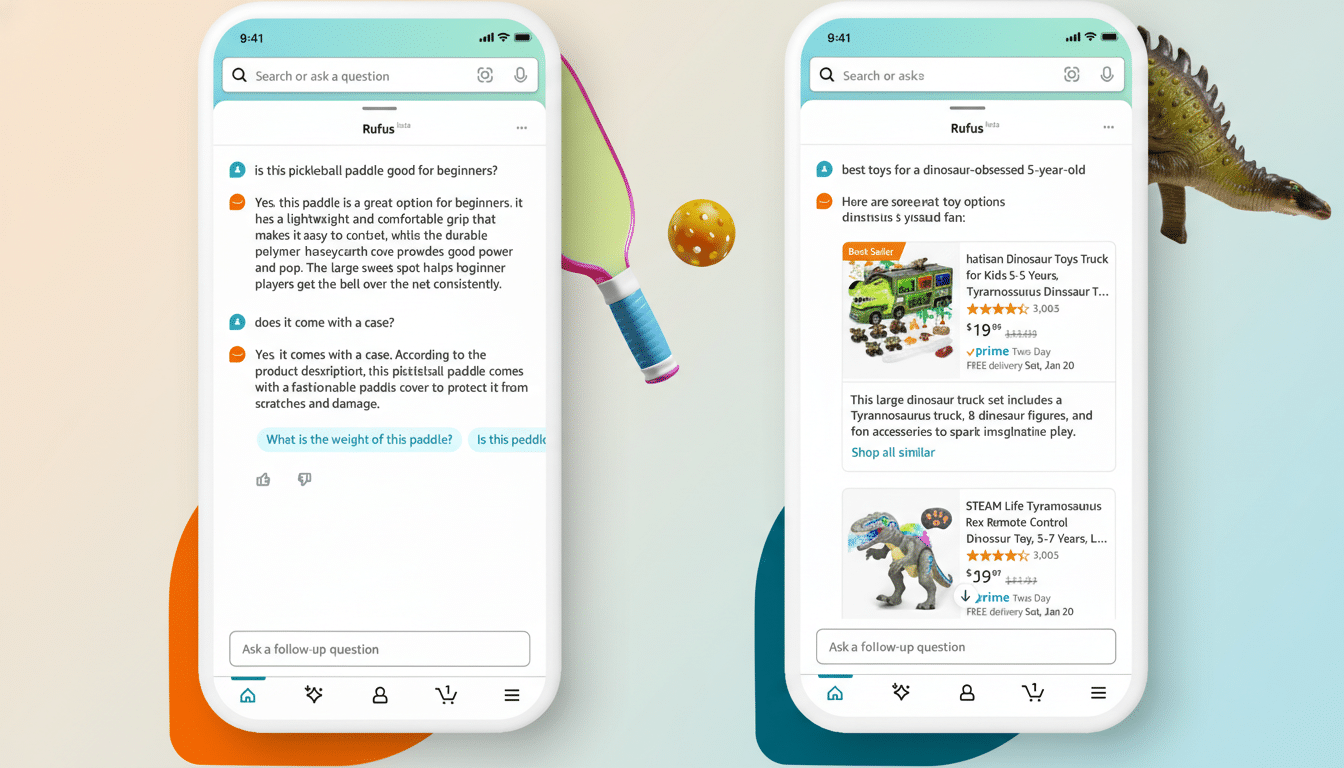
Instead of typing keywords, shoppers now ask conversational questions: “Find me a quiet robot vacuum for a small apartment with a long battery life.” Retailers have responded by embedding assistants that understand intent and context—think AI search that can infer room size, noise tolerance, and runtime rather than returning a generic list. Amazon’s Rufus, Instacart’s Ask Instacart, and large grocers’ chat-based guides exemplify how discovery is being curated by algorithms rather than menus.
That shift is pushing a new discipline: generative engine optimization. The winners ensure product data is “AI-readable”—rich attributes, verified claims, accessibility info, and up-to-date availability—so agents can justify recommendations. Brands leaning into this are publishing nutrition and allergen details, lifecycle emissions, repair options, and warranty terms in structured formats that models can parse. The payoff is simple: if an assistant cannot “see” it or explain it, many customers will never consider it.
From Personalization To Anticipation In Shopping Journeys
Customer experience is moving beyond reactive promos to proactive, moment-aware service. Sites and apps now adjust layouts, financing offers, and content in real time based on inventory signals, local weather, and prior behavior. A commuter browsing on a phone might get curbside pickup and battery-pack bundles; a homeowner on a tablet sees installation options and sustainability scores. McKinsey has long linked this kind of personalization to revenue gains, with tailored experiences lifting top-line results by double digits in many categories.
Transparency is the multiplier. Leading retailers expose “why you’re seeing this,” give controls to dial personalization up or down, and label AI-generated content. When the logic is visible and adjustable, shoppers feel assisted rather than manipulated. That’s especially important as value comparisons move from “cheapest available” to “best fit for me,” where clarity about trade-offs matters more than the last dollar saved.
Why Humans Still Close The Loop In AI-Powered Shopping
Even as AI handles repetitive tasks, consumers want people for complexity and reassurance—returns that don’t fit the rules, warranty disputes, sensitive categories like health and baby care, and big-ticket purchases with installation or safety considerations. PwC research shows customers are willing to pay a premium for brands that get service right, and a major driver is the availability of empathetic, empowered humans at critical moments.
Hybrid models are gaining traction. Sephora blends AI shade-matching with beauty advisors who contextualize undertones and lighting. IKEA’s digital planning tools help design a room, but associates finalize feasibility and delivery. Electronics retailers route routine troubleshooting to assistants, then escalate seamlessly to technicians who can remote-diagnose or schedule repairs. The pattern is consistent: AI accelerates confidence; humans cement trust.
Trust And Fairness Are Now Purchase Criteria
As AI becomes the guide, shoppers are scrutinizing how it makes choices. Capgemini notes rising expectations for fairness, auditability, and recourse. That means explaining model factors (price, durability, sustainability), disclosing sponsorships, and offering easy ways to correct profile data or opt out of sensitive inferences. Retailers that operationalize these guardrails reduce cart abandonment and complaints while boosting repeat visits.
Crucially, trust is a cross-functional effort. Merchandising must standardize attributes; legal must codify disclosures; data science must test for bias; store operations must train associates to understand and override AI decisions. The best programs measure not only containment rate for chatbots but also handoff quality, resolution time after escalation, and customer emotion before and after human interaction.
What Retailers Should Do Now To Build Trusted AI
Start with data quality. Make product and policy information structured, current, and verifiable so agents can reason and cite. Audit recommendation systems for clarity and fairness, and build “show your work” explainer widgets into the UI. Train frontline staff with AI copilots that summarize context, suggest next best actions, and capture notes—then give those humans authority to override rules when empathy demands it.
Align incentives with the hybrid future. Reward teams for successful human handoffs, not just automation rates. Track repeat purchase driven by assistant-guided discovery and by associate interventions. And invest in generative engine optimization so your brand remains visible to the agents that increasingly define the shelf.
The takeaway is not AI versus people. It is AI for speed, breadth, and clarity—paired with humans for judgment, care, and accountability. Brands that orchestrate both will capture the next wave of loyalty, not because they are the cheapest, but because they are the smartest and most humane.
