


AI wasn’t just a prop in this year’s Big Game commercials—it was the plot, the production engine, and the product on sale. From Svedka’s largely AI-generated creative to Anthropic’s pointed swipe at ad-supported chatbots, brands used the most-watched stage in U.S. advertising to plant flags in the AI era. With a national audience topping 100 million in typical years, according to Nielsen, and 30-second slots that Ad Age has pegged at around $7 million, marketers used their priciest minutes to make a statement about where computing—and consumer attention—is heading.
AI Becomes The Message And The Medium In Big Game Ads
The creative shift this year wasn’t subtle. AI featured both inside the tools used to make the spots and on-screen as the hero product or tension point. Industry surveys from firms like Deloitte and Gartner have consistently found that marketing leaders are accelerating generative AI adoption for concepting, editing, and personalization. For Super Bowl advertisers, that manifested as a blend of spectacle and strategy: dramatizing AI’s promise, riffing on its pitfalls, and signaling brand values around trust and control.
- AI Becomes The Message And The Medium In Big Game Ads
- Svedka Tests Primarily AI-Generated Creativity
- Anthropic Sparks A Values Fight In AI Advertising
- Wearable AI Takes A Victory Lap On Center Stage
- Assistants Grow Up And Get A Sense Of Humor
- Utility-First AI From Startups And Platforms
- What Worked And What Comes Next For AI In Ads
Svedka Tests Primarily AI-Generated Creativity
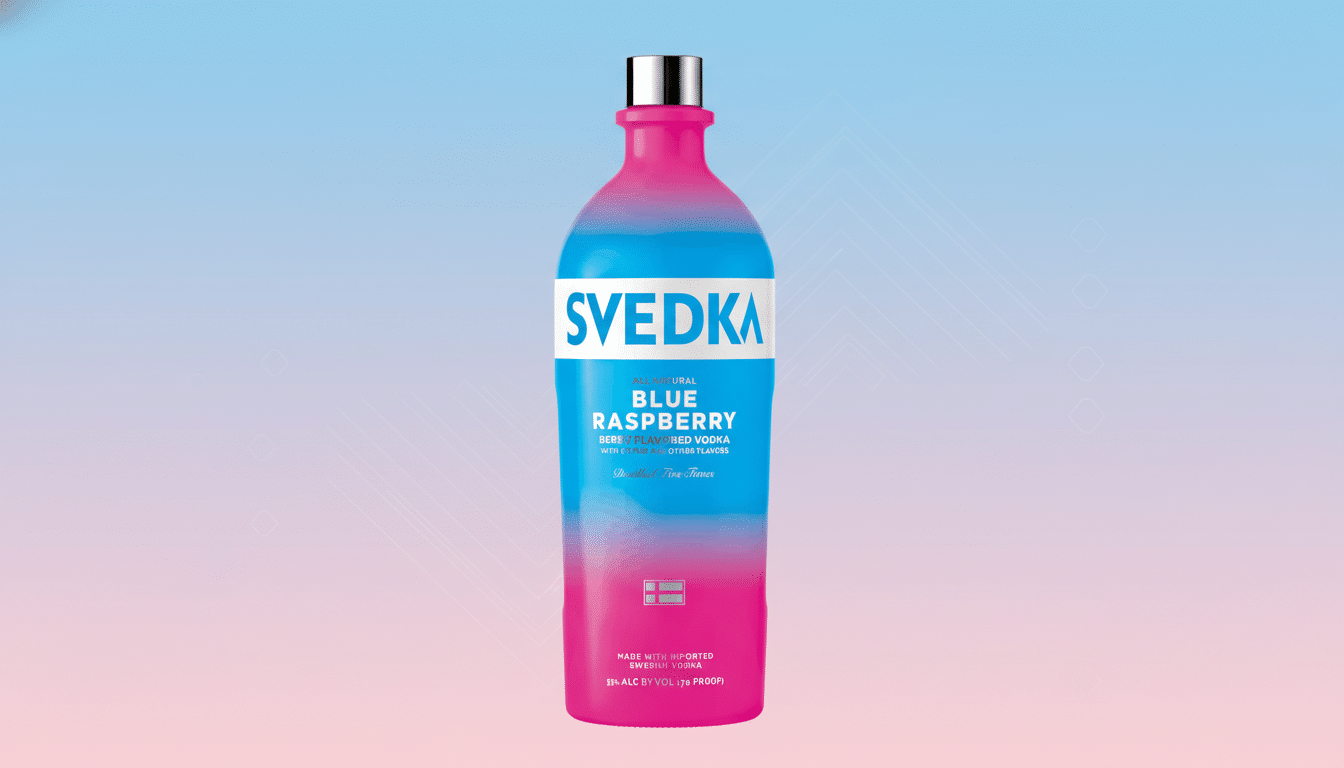
Vodka brand Svedka leaned into an audacious claim—a “primarily” AI-generated national Super Bowl spot—starring its robot mascots Fembot and Brobot dancing through a human party. The Wall Street Journal reported the team spent roughly four months reconstructing Fembot and training systems to mimic nuanced facial expressions and body movement, while human creatives shaped the storyline. Adweek noted the brand tapped Silverside, the AI studio behind much-debated AI ads for Coca-Cola, underscoring the tension between novelty and job displacement worries. Whether viewed as boundary-pushing or baiting backlash, the gambit guaranteed conversation.
Anthropic Sparks A Values Fight In AI Advertising
Anthropic used its airtime to sell a stance as much as a chatbot. The Claude commercial lampooned a future where your assistant pitches random products mid-task, declaring “Ads are coming to AI. But not to Claude.” The barb, widely read as a shot at plans to bring advertising to rival chat experiences, triggered a social dust-up when OpenAI’s Sam Altman blasted the spot as “clearly dishonest.” Beyond the spat, the message was unmistakable: in AI, trust, safety, and monetization models are part of the brand promise. Consumer research from groups like Morning Consult consistently shows trust as a top driver of AI adoption, and Anthropic aimed squarely at that nerve.
Wearable AI Takes A Victory Lap On Center Stage
Meta showcased Oakley-branded AI glasses as a lifestyle tool for high-energy moments—skydiving, mountain biking, sprinting to catch a plane—with cameos from IShowSpeed and Spike Lee. The spot highlighted hands-free capture, slow-motion tricks, and one-tap sharing to Instagram, positioning on-eye AI as useful, cool, and creator-friendly. It follows the company’s recent strategy of turning smart frames from tech curiosity into mainstream accessory by pairing familiar brands and recognizable faces.
Assistants Grow Up And Get A Sense Of Humor
Amazon went dark-comic with Chris Hemsworth fearing a mischievous Alexa+, a send-up of the “AI is out to get me” trope. The gag masked a feature dump: a more capable assistant orchestrating home devices, travel planning, and everyday tasks. After an extended early-access period, Alexa+ is now positioned as a smarter layer atop the smart home. Humor is a tried-and-true Super Bowl tactic; measurement firms such as EDO and iSpot.tv have repeatedly linked memorable creatives to outsized search and site-visit spikes when the product benefit lands cleanly.
Utility-First AI From Startups And Platforms
Ring’s “Search Party” framed AI as neighborly infrastructure: upload a photo of a missing pet, and computer vision plus a community network help find matches across nearby cameras. The company says the feature now works even for users without Ring hardware and has reunited more than one dog per day—a small number at Super Bowl scale, but a powerful use case people grasp instantly.
Google spotlighted Nano Banana Pro, its latest image-generation model, in a family story about imagining and designing a home from a few photos and prompts—a familiar creative workflow recast for everyday consumers. The narrative leaned into co-creation rather than replacement, a theme that tends to test well in brand safety research.
Fintech platform Ramp recruited Brian Baumgartner—forever Kevin from The Office—to multiply himself with AI-powered spend controls and workflow automation. The chili gag made the cut, but the core message was time back for teams. Rippling’s first Big Game run tapped comedian Tim Robinson to lampoon HR complexity by onboarding an alien, promising AI that smooths the mess of people, payroll, and IT.
Healthcare company Hims & Hers punched up at longevity culture while nodding to its AI “MedMatch” tool for more personalized care recommendations. In web infrastructure, Wix introduced its AI-centric Wix Harmony platform—“build a site like you chat with a friend”—as rival Squarespace took the cinematic route with a star-director pairing. Different creative languages, same signal: AI is table stakes across categories.
What Worked And What Comes Next For AI In Ads
Two patterns stood out. First, the best AI ads anchored on a clear, human benefit—find my dog, capture the moment, save me time. Second, brands increasingly treat monetization choices and guardrails as features to market, not footnotes. With billions of earned-media impressions at stake around Super Bowl week, per iSpot.tv’s historical analyses, that framing matters.
The creative arms race is far from over. Expect more disclosures around AI-made footage, closer scrutiny from unions and regulators on synthetic performers, and sharper lines between ad-supported and subscription AI services. For now, Super Bowl advertisers sent the same message from very different angles: the age of AI in marketing isn’t approaching—it has arrived, and it wants the main stage.
