


The global esports sector has evolved into a structured competitive ecosystem, involving publishers, tournament organizers, media platforms, and professional teams. Discussions about the top 10 esports games often focus on measurable indicators such as active player bases, tournament prize pools, peak viewership, and game longevity. This overview provides a neutral analysis of the biggest esports games, supported by publicly reported statistics and industry observations, while also highlighting the importance of responsible participation and awareness of gambling-related risks, as outlined by resources such as RG.org (rg.org).
While esports and traditional wagering markets intersect in some jurisdictions, this article maintains a factual focus. Readers interested in betting-related activity should consult responsible gambling frameworks and review sports betting statistics from regulated sources before participation.
Key Metrics in Evaluating Esports Popularity
Common benchmarks for identifying the most popular esports include:
- Monthly active players (estimated)
- Annual tournament prize pools
- Peak concurrent viewership
- Longevity and developer support
- Global tournament structure
Estimated Player Base and Competitive Scale (2024 Approx.)
| Game | Release Year | Est. Monthly Players | Major Annual Prize Pool (Approx.) | Genre |
|---|---|---|---|---|
| League of Legends | 2009 | 120–150 million | $8–10 million | MOBA |
| Dota 2 | 2013 | 10–15 million | $15–20 million | MOBA |
| Counter-Strike 2 | 2023 | 25–35 million | $20+ million | FPS |
| Valorant | 2020 | 20–25 million | $7–8 million | FPS |
| Fortnite | 2017 | 70–80 million | $10+ million | Battle Royale |
| PUBG: Battlegrounds | 2017 | 20–30 million | $5–7 million | Battle Royale |
| Call of Duty | 2003 (franchise) | 50+ million | $5–6 million | FPS |
| Apex Legends | 2019 | 18–22 million | $4–5 million | Battle Royale |
| Rocket League | 2015 | 15–20 million | $4–6 million | Sports/Arcade |
| Mobile Legends: Bang Bang | 2016 | 80+ million | $6–8 million | MOBA |
Figures are approximate and vary annually.
1. League of Legends
Often cited among the biggest esports, League of Legends maintains one of the largest structured competitive ecosystems. Its regional leagues culminate in the World Championship, frequently exceeding 5 million peak concurrent viewers (excluding regional streaming platforms). Developer-supported leagues ensure continuity and standardized competition.
2. Dota 2
Dota 2 is notable for historically high prize pools, particularly through The International tournament. Although its active player base is smaller than some competitors, its financial scale per event remains significant within esport games.
3. Counter-Strike 2
Evolving from a long-standing franchise, Counter-Strike maintains a stable tournament circuit. Major championships routinely draw over 1 million peak viewers. Its longevity reflects structured developer support and stable competitive mechanics.
4. Valorant
Valorant represents a newer entry among the biggest esports games. Its franchised league model emphasizes long-term team sustainability. Viewership for international events regularly surpasses 1.5 million concurrent viewers.
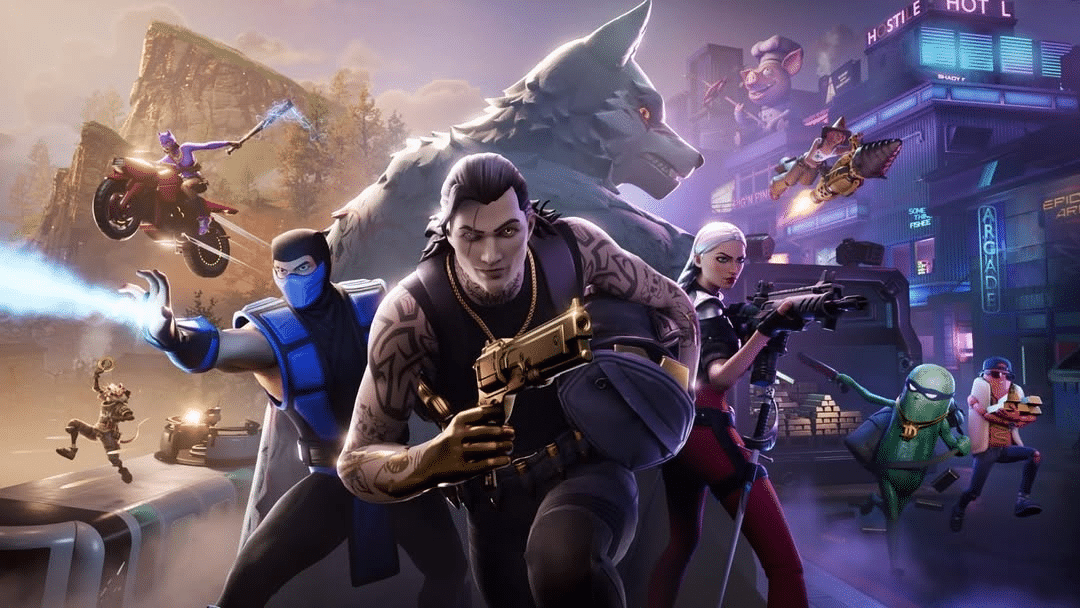
5. Fortnite
Fortnite combines casual participation with competitive circuits. During peak competitive seasons, tournament prize pools exceeded $30 million annually. Its crossover appeal broadens audience reach beyond traditional esports fans.
6. PUBG: Battlegrounds
PUBG helped popularize the battle royale format in esports. Regional leagues in Asia and Europe continue to sustain competitive interest, with structured tournaments and consistent sponsorship involvement.
7. Call of Duty
The Call of Duty League (CDL) introduced a franchise model similar to traditional sports leagues. Annual championship prize pools typically reach several million dollars, maintaining its status among major e sports games.
8. Apex Legends
Apex Legends features global series tournaments with growing international participation. Peak viewership has steadily increased since 2022, reflecting stable competitive growth.
9. Rocket League
Blending arcade gameplay with competitive structure, Rocket League appeals to diverse age groups. Championship events regularly exceed 300,000 peak viewers, supported by developer-backed circuits.
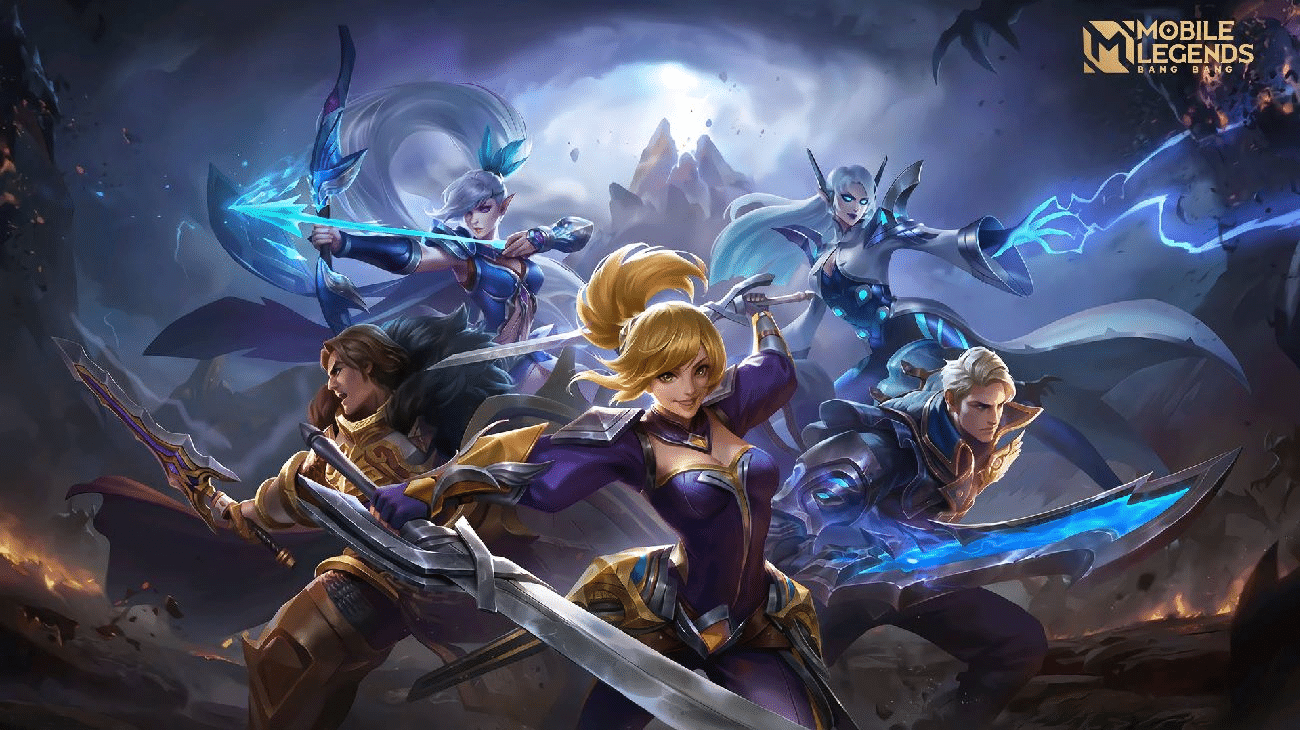
10. Mobile Legends: Bang Bang
Among mobile titles, Mobile Legends is one of the most popular esports, particularly in Southeast Asia. International championships draw multi-million peak online audiences.
Estimated Peak Viewership (Recent Major Events)
| Game | Approx. Peak Viewers | Primary Regions |
|---|---|---|
| League of Legends | 5+ million | Global |
| Dota 2 | 2–3 million | Europe, CIS, China |
| Counter-Strike 2 | 1–1.5 million | Europe, NA |
| Valorant | 1.5–2 million | Global |
| Fortnite | 2+ million | NA, Europe |
| Mobile Legends | 3–4 million | Southeast Asia |
Technology and Industry Context
Modern esports depend on scalable streaming infrastructure, cloud hosting, and legacy technology systems integrated with newer broadcast platforms. Tournament analytics increasingly rely on real-time performance data, similar in structure to sports betting technology used in traditional sports analytics.
Mobile ecosystems also play a role. Some titles compete with the best mobile game category, supported by companion tools or now playing app integrations that track player statistics. However, legacy apps and older infrastructure remain part of certain competitive ecosystems.
Responsible Gaming Considerations
Although esports are skill-based competitions, associated wagering markets exist in regulated regions. Participants should review official rules, verify age requirements, and understand statistical probability. Responsible gambling resources recommend budget setting and awareness of risk exposure.
Conclusion
The top 10 esports games reflect diverse genres, global participation, and structured competition. Rankings fluctuate based on viewership, prize pools, and player engagement. As esports continue to develop, technological infrastructure, audience behavior, and regulatory frameworks will influence how the industry evolves within the broader digital entertainment landscape.

