


Chardonnay is one of the world’s most popular white wines and for good reason. Its versatility, wide range of styles, and ability to pair with a variety of foods make it a go‑to choice for many wine lovers. From light and crisp unoaked Chardonnays to rich, buttery versions aged in oak, this wine can complement everything from seafood to richer meat dishes.
But with so many styles of a chardonnay wine and so many foods to choose from, when is the best time to enjoy it with a meal? In this guide, we’ll take a practical look at how to pair Chardonnay with food, why certain styles suit certain dishes, and tips for making your next meal or gathering more memorable with the perfect glass of wine.
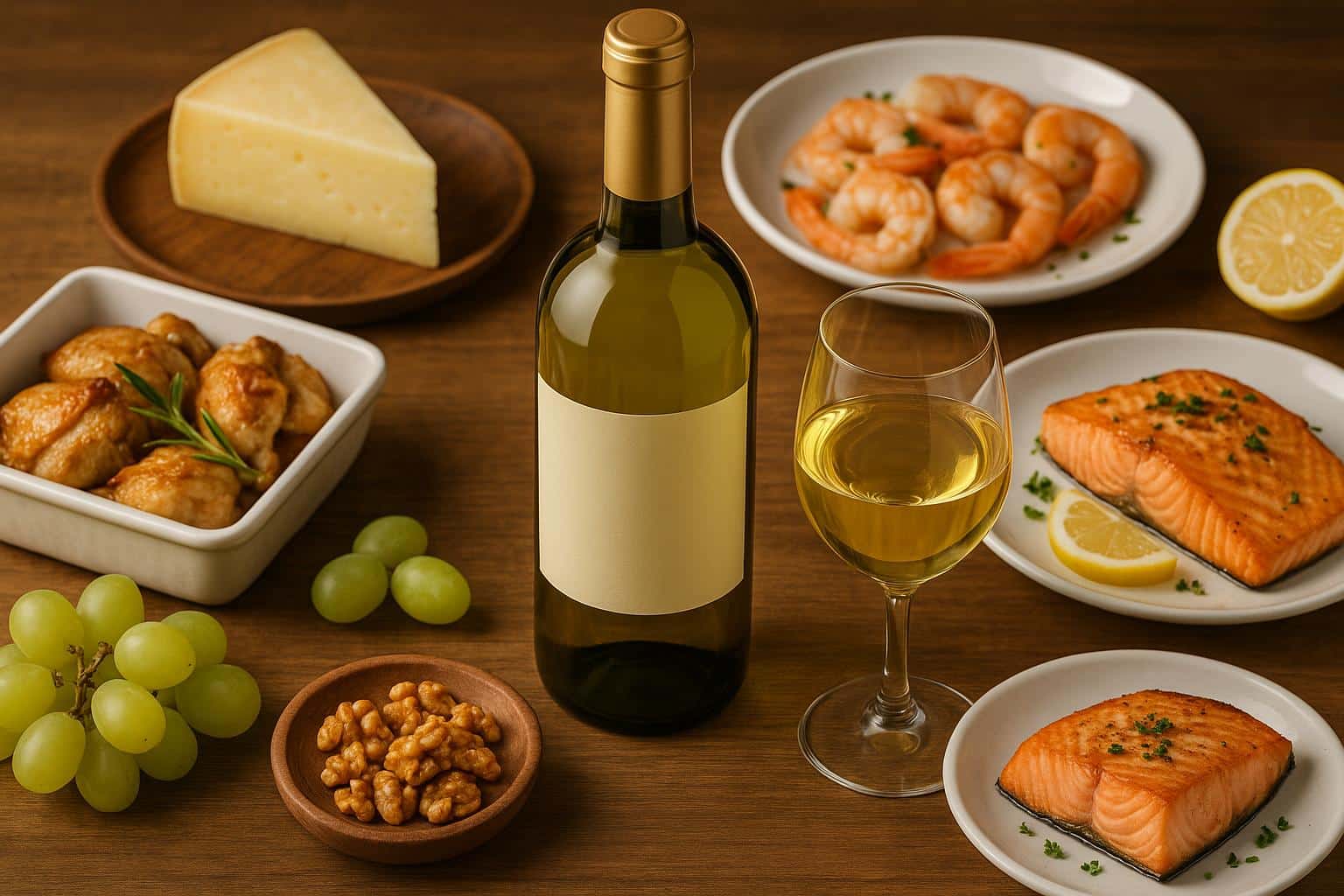
Understanding Chardonnay Styles
Light and Crisp Chardonnay
Not all Chardonnays are created equal. At one end of the spectrum, you’ll find unoaked or lightly oaked Chardonnays that are bright, fresh, and fruit‑forward. These tend to feature citrus, green apple, and pear notes with high acidity and minimal oak influence. They’re ideal for pairing with lighter foods.
Rich and Oaky Chardonnay
On the other end, there are Chardonnays aged in oak barrels. These wines develop creamy, buttery textures with notes of vanilla, toast, and baked apple. They often have a fuller body and softer acidity, making them a great match for richer foods.
When to Pair Chardonnay
1. Start the Meal with Light Seafood
Chardonnay’s acidity and fresh fruit notes make it a natural choice with seafood. Think oysters, shrimp, scallops, or sushi. The light style of Chardonnay won’t overpower delicate flavours and can even enhance the taste of fresh shellfish.
Best pairing ideas:
- Lemon‑dressed shrimp salad
- Seared scallops with a citrus glaze
- Sushi and sashimi with light soy and ginger
These dishes benefit from the crisp, refreshing quality of a lighter Chardonnay.
2. Think Chicken and Creamy Sauces
Chardonnay’s broader range—from unoaked to lightly oaked—means it can handle more complex dishes like roasted or grilled chicken, especially when served with creamy sauces. The softer acidity and texture of oak‑influenced Chardonnay can stand up to cream without clashing.
Best pairing ideas:
- Roast chicken with herbs
- Chicken Alfredo pasta
- Chicken with mushroom cream sauce
Here, the wine’s body and mild oak complement the richness of the dish without overwhelming it.
3. Enjoy With Rich Fish Dishes
Heavier fish like salmon, halibut, or trout have a richer texture that pairs well with medium‑bodied Chardonnays, especially those with some oak. The oak notes add depth and align nicely with the savoury quality of these fish.
Best pairing ideas:
- Grilled salmon with beurre blanc
- Pan‑seared halibut with lemon‑butter sauce
- Trout almondine
This is one of those occasions where Chardonnay truly shines, balancing a rich dish without losing elegance.
4. Match With Soft Cheeses and Mild Flavours
Cheese plates are classic wine companions, and Chardonnay works especially well with soft, creamy cheeses like Brie, Camembert, or aged Gouda. A Chardonnay that has seen a touch of oak can mirror the buttery nature of these cheeses, making each bite and sip feel harmonious.
Pairing suggestions:
- Brie with crusty bread
- A creamy cheese platter with fresh fruit
- Mild goat cheese with herbs
This is an easy, crowd‑pleasing option for casual gatherings.
5. Pair With Pork or Mild Game
Chardonnay isn’t just for fish and chicken—certain styles can pair beautifully with pork and some mild game meats. Think roast pork loin, pork tenderloin with apples, or even turkey. Choose a slightly oakier Chardonnay to match the meat’s depth of flavour.
Best pairing ideas:
- Roast pork with apple compote
- Turkey breast with herb gravy
- Stuffed pork tenderloin
The wine adds richness without overwhelming the dish’s subtleties.
6. Balance Spicy or Sweet Flavours
Not all wine pairings are about heaviness or richness; sometimes it’s about balancing flavour profiles. Chardonnay’s acidity makes it surprisingly effective at cutting through spice or balancing sweet components.
Pairing ideas:
- Thai dishes with light coconut curry
- Spicy seafood tacos with slaw
- Sweet glazed ham
These combinations highlight how Chardonnay can bridge complex taste profiles.
Tips for Success
Serve at the Right Temperature
Chardonnay is best served chilled, but not ice‑cold. Aim for around 8–12°C (46–54°F). This allows the wine’s aromas to open up and matches food more effectively.
Match Weight With Weight
Heavier, oakier Chardonnays pair better with richer, more complex foods, while lighter styles shine with delicate dishes. Always consider the weight of both the wine and the dish when pairing.
Think About Acidity
Acidity is your friend with wine pairing. A wine with higher acidity can cut through rich dishes and refresh the palate, making every bite feel new. Chardonnay’s moderate to high acidity is one of the reasons it pairs so well with cream‑based dishes and seafood.
Conclusion
Chardonnay is one of the most versatile wines you can choose for food pairing. From crisp, refreshing styles that enhance seafood and light appetizers to rich, oak‑influenced bottles that stand up to creamy sauces and hearty mains, there’s a Chardonnay for nearly every dish.
By understanding the style of Chardonnay you’re serving and matching it thoughtfully with your food, you can elevate both the meal and the wine. Whether you’re hosting a dinner party, celebrating a special occasion, or simply enjoying a quiet night with a great plate of food, Chardonnay has the flexibility to make it better.

