


The BBC is facing sharp criticism after a racial slur shouted by an attendee with Tourette syndrome was broadcast during its tape-delayed coverage of the BAFTAs and initially made available on its streaming platform. The incident has ignited debate over editorial judgment, disability awareness, and the duty of broadcasters to protect audiences from harmful language.
How the Incident Reached Air During the BAFTAs Broadcast
The shout was heard as Michael B. Jordan and Delroy Lindo presented the first award, startling the room and viewers. The attendee, identified as John Davidson — whose life inspired the BAFTA-nominated film I Swear — experienced an involuntary vocal tic that included the slur and, according to multiple witnesses, similar tics occurred again later in the ceremony. He left the event partway through.
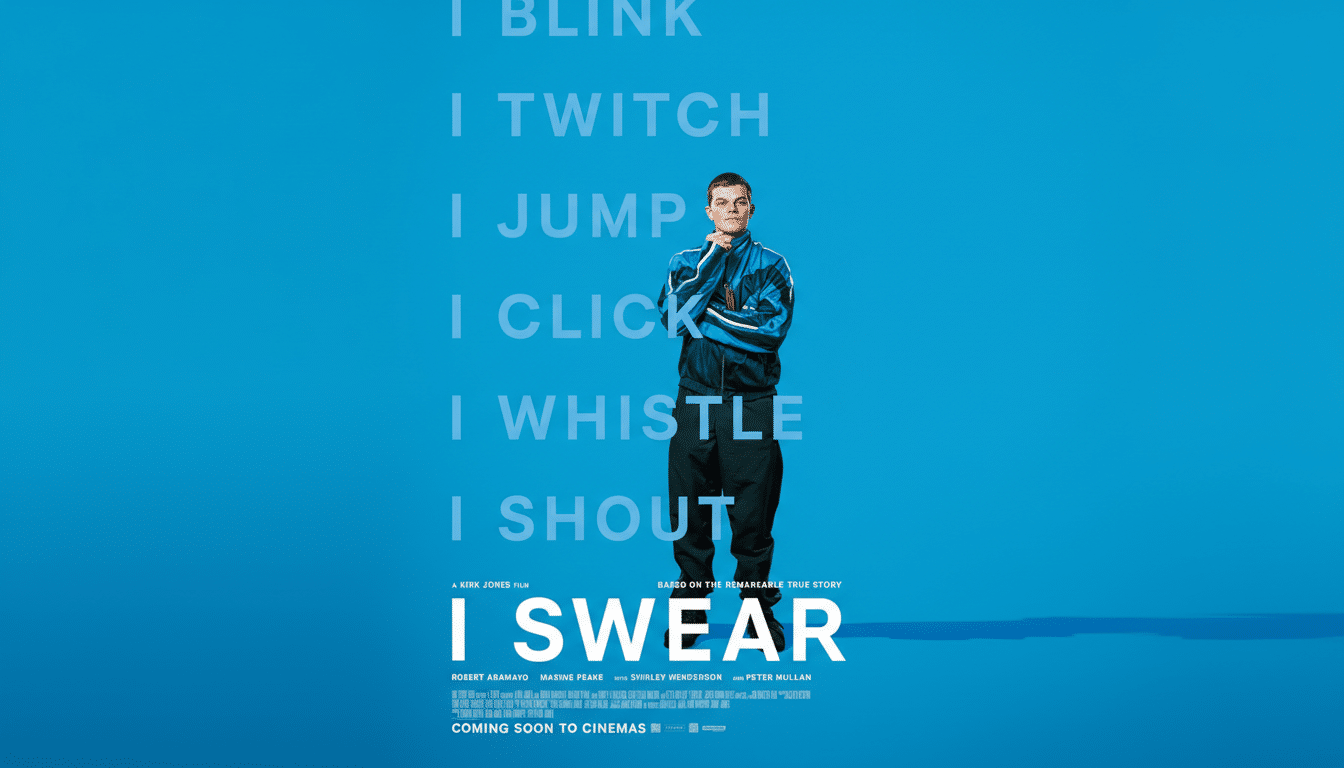
Host Alan Cumming addressed the audience to explain that Tourette syndrome involves involuntary tics, asking for understanding. While many attendees acknowledged the lack of intent, the decision to leave the audio intact in a delayed broadcast and on demand deepened public anger and confusion about the BBC’s editorial choices.
Why the Broadcast Decision Sparked Outrage
Critics argue that a significant delay should have allowed editors to mute the slur without misrepresenting the moment. In live television, standards teams typically rely on a “dump” or delay buffer to quickly bleep or dip audio; the same approach is standard for profanity at major awards shows in the United States and the UK. The BBC later pulled the full show and issued an apology, emphasizing the involuntary nature of the attendee’s tics. Still, many viewers, including Black audiences, said the harm of hearing the slur on air could not be undone by explanations after the fact.
Delroy Lindo later told an entertainment outlet that he and Michael B. Jordan tried to continue professionally and that he had not been contacted by organizers in the immediate aftermath — illustrating how on-the-spot disruptions can reverberate for onstage talent as well as viewers at home.
Understanding Tourette Syndrome and Context
Tourette syndrome is a neurodevelopmental condition characterized by involuntary motor and vocal tics. The National Institute of Neurological Disorders and Stroke notes that these tics are sudden, repetitive movements or sounds that the person cannot control. While media depictions often fixate on obscene utterances, the Tourette Association of America reports that coprolalia — involuntary use of obscene language — affects roughly 10% of people with Tourette syndrome and is frequently overstated in popular culture.
Actors and creatives involved in I Swear stressed the need to avoid conflating a disability with intent or malice. Advocacy groups echo that message, urging newsrooms to balance audience protection with clear, stigma-free explanations when tics occur in public settings.

Editorial Standards and Regulatory Pressure
UK broadcasting rules require potentially offensive language to be justified by context, scheduled appropriately, and signposted with effective warnings. Ofcom’s code also expects broadcasters to take “adequate protection” measures for viewers. With a time-shifted awards show, editors typically have options: mute the audio, briefly dip the sound, or cut to alternate footage while retaining context through captions or narration.
The stakes are not theoretical. In a prior controversy, the broadcaster received more than 18,000 complaints after a news report aired the N-word, prompting a rare on-air apology from the director general. That episode cemented an industry-wide understanding that repeating racist language — even to describe an incident — can itself be harmful. The BAFTAs moment underscores how these lessons must carry into entertainment broadcasts and streaming versions, where initial cuts are often watched by millions.
It’s also a production challenge. Live and near-live events rely on rapid coordination between the gallery, standards teams, and editors. Robust contingency plans include scripted advisories, graphic banners, and fast alternatives — for instance, cutting to crowd shots or program stings — while audio is sanitized.
What the BBC and BAFTA Could Do Next to Address It
Experts in compliance and accessibility point to a set of practical steps:
- Restore the program with the slur muted.
- Add stronger audience advisories.
- Include a clear, concise explainer about involuntary tics delivered before the first major segment.
- Engaging Tourette organizations to craft that language can prevent pathologizing or sensationalizing the condition.
Equally important is outreach to those affected — presenters, nominees, and viewers — alongside training refreshers for control-room teams. The editorial principle is straightforward: contextualize disability while never rebroadcasting racial epithets. Both commitments can coexist if planning and postproduction are prioritized.
The Bigger Cultural Test for Broadcasters and Audiences
This controversy sits at a fraught intersection of race, disability, and media responsibility. Mishandling it risks reinforcing harmful stereotypes about Tourette syndrome and compounding the pain of hearing a slur on national television. Done well, the response can model how broadcasters protect audiences while educating them — a standard viewers now expect across both linear feeds and streaming platforms.

