


Digital products succeed or fail based on how well they balance visual design and user experience. A product can look visually impressive yet struggle with adoption if users find it confusing or difficult to use. Conversely, a highly usable product with weak visual appeal may fail to build trust or emotional connection. The real impact comes when visual design and user experience work together to guide users, reduce friction, and support business goals.
The Relationship Between Visual Design and User Experience
Visual design and user experience are closely connected but serve different purposes. Visual design focuses on how a product looks, while user experience focuses on how it works and feels during use. When aligned, they create clarity, consistency, and confidence for users.
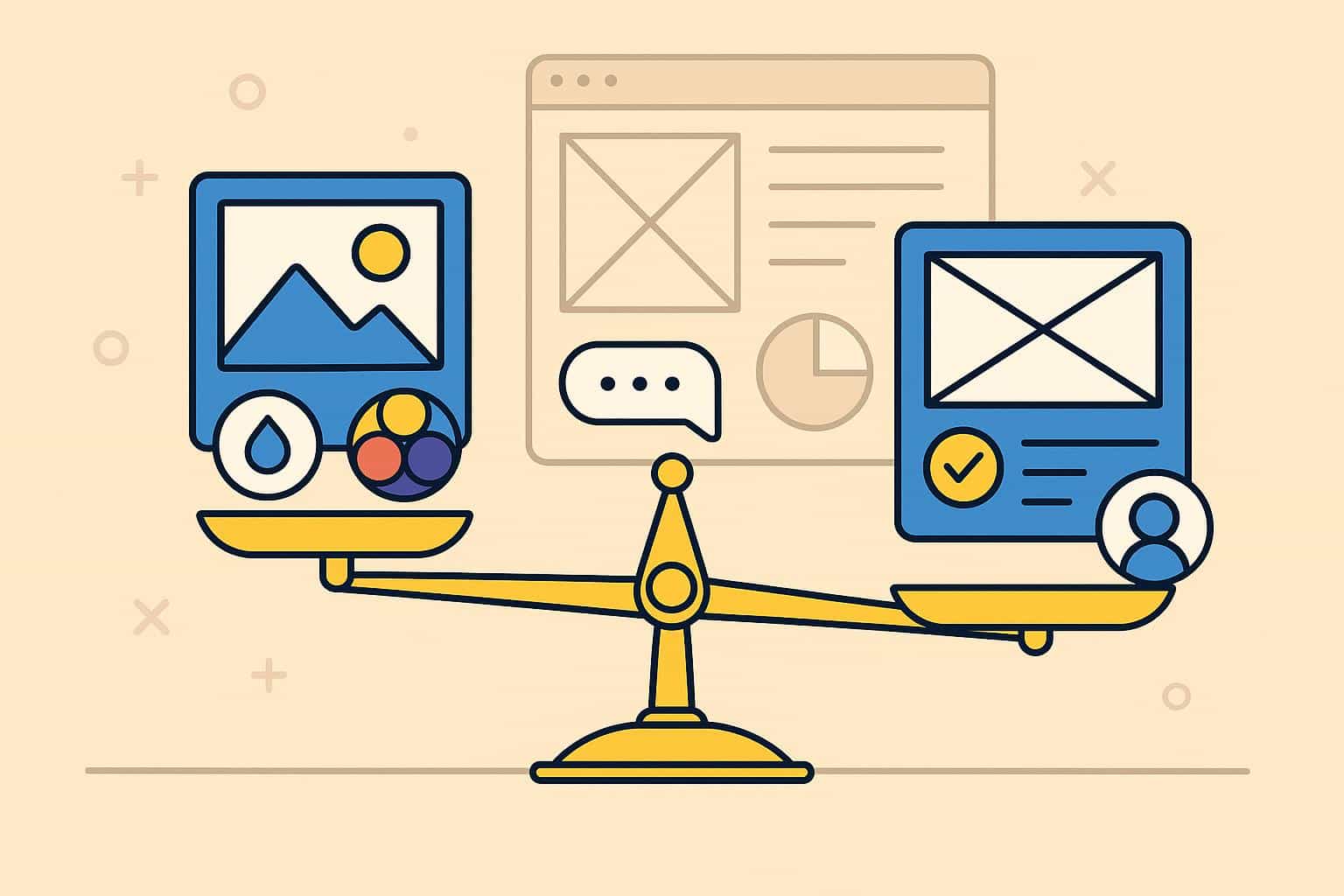
Strong visual design helps users understand hierarchy, importance, and flow. Typography, color, spacing, and layout influence how information is processed. User experience design ensures that interactions are intuitive, tasks are easy to complete, and users reach their goals efficiently. Businesses building digital products often hire graphic designers to establish a strong visual identity while also choosing to hire UI UX designers to shape user journeys and interaction logic.
Creating Visual Hierarchy That Supports Usability
Visual hierarchy guides users through an interface without explicit instructions. Size, contrast, and spacing help users quickly identify primary actions and critical information. When hierarchy is unclear, users hesitate or make errors, even if the interface looks polished.
Effective hierarchy is not about decoration. It is about directing attention and simplifying decision-making. Designers who understand this balance create interfaces that feel effortless to use while maintaining visual consistency across screens.
Designing for Users, Not Just Screens
User experience design starts with understanding user behavior, motivations, and constraints. Visual decisions should support these insights rather than override them.
Aligning Visual Style With User Expectations
Every product serves a specific audience. A finance dashboard, healthcare platform, and consumer app require different visual tones and interaction patterns. Visual design must align with user expectations to build trust and reduce learning curves.
When visual style clashes with usability goals, users struggle. This is why teams often hire UI UX designers to conduct research, test assumptions, and ensure that visual choices enhance rather than hinder usability.
Accessibility as a Shared Responsibility
Accessibility sits at the intersection of design and user experience. Color contrast, font sizes, and layout choices directly affect how inclusive a product is. Accessible design improves usability for all users, not only those with specific needs.
Balancing aesthetics with accessibility requires thoughtful decisions. Many organizations hire graphic designers who understand accessibility standards and collaborate closely with UX teams to create inclusive digital products.
Consistency Across the Product Experience
Consistency plays a major role in building confidence and reducing friction. Users should not have to relearn patterns as they move through a product.
Design Systems as a Scaling Tool
Design systems help teams maintain consistency across large products and multiple teams. They define reusable components, visual styles, and interaction patterns that scale efficiently. A strong design system ensures that visual design and user experience remain aligned as features grow.
Companies building complex platforms often hire UI UX designers to create and maintain these systems while ensuring they remain flexible enough to evolve with the product.
Bridging Design and Development
The balance between visual design and user experience can break down during implementation. Design decisions must translate accurately into code to preserve usability. Close collaboration between designers and developers ensures that interactions behave as intended and visual details support functionality.
This collaboration becomes easier when organizations hire graphic designers who understand digital constraints and work closely with UX and engineering teams.
Measuring Impact Beyond Aesthetics
The success of visual design and user experience should be measured through outcomes, not opinions. Engagement, conversion rates, task completion, and user satisfaction reveal whether the balance is working.
Iterative testing and feedback help teams refine interfaces over time. Products that continuously improve based on user data maintain relevance and usability as expectations change.
Conclusion
Balancing visual design and user experience is essential for building digital products that users trust, enjoy, and return to. Visual appeal draws users in, but usability keeps them engaged. When both disciplines work together, products become clearer, more intuitive, and more effective at meeting business goals.
Organizations that invest in this balance often hire graphic designers to shape strong visual identities and hire UI UX designers to ensure experiences remain user-centered and intuitive. Together, these roles help create digital products that stand out visually while delivering meaningful, frictionless experiences.

