


AT&T has introduced a kid-focused smartphone with built-in parental controls that aims to fix families’ most common pain point: tools that don’t actually work when you need them. The amiGO Jr. phone, developed with Samsung, is offered for $3 a month with bill credits plus service, positioning it as a low-friction first phone that emphasizes safety and oversight over specs and flash.
A Simpler Path To Supervised First Phones
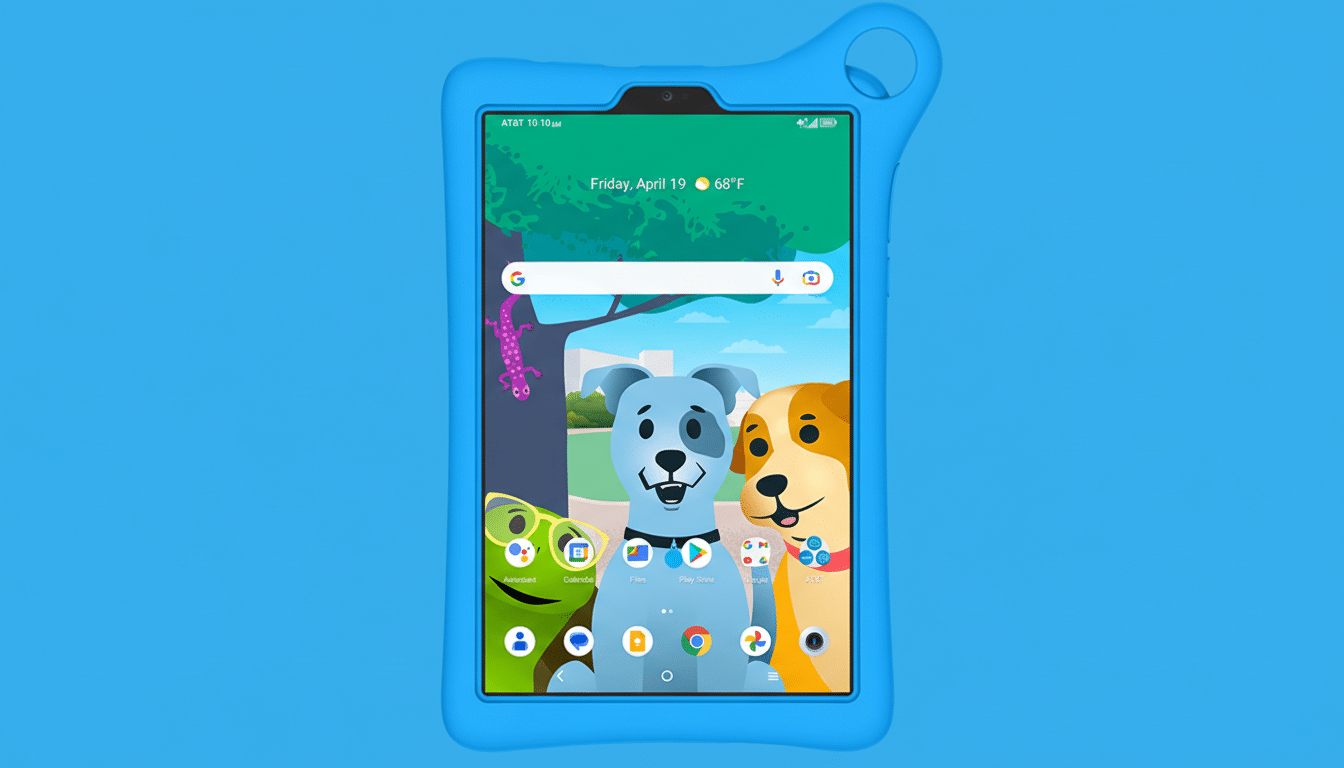
AT&T bills amiGO Jr. as a carrier-designed smartphone for kids, bundling controls directly into the device and a companion parent app for Android and iOS. Features include real-time location tracking, geofenced arrival and departure alerts, contact whitelists, screen time schedules, and content filtering. The handset carries an IP54 rating for dust and water resistance and pairs basic budget-phone hardware with a serviceable camera for everyday photos.
- A Simpler Path To Supervised First Phones
- Why This Market Is Ripe Right Now for Kids’ Phones
- Built-In Controls That Close Common Loopholes
- How It Stacks Up To Kid Phone Rivals Today
- A Companion Watch For Younger Kids and Tweens
- What Parents Should Check Before Buying One
- Bottom Line: What AT&T’s amiGO Jr. Means for Families
The pitch is straightforward: make the safety features native so parents avoid the common headaches of installing and maintaining third-party apps. In practical terms, that could mean fewer compatibility conflicts, fewer “ghost hours” added to screen time tallies, and more reliable live location updates—issues that routinely frustrate parents when controls run at the app or VPN level.
Why This Market Is Ripe Right Now for Kids’ Phones
The first-phone moment is arriving earlier for many families. Research from Common Sense Media shows that roughly 43% of tweens now have a smartphone, and adoption accelerates quickly in the teen years. Pew Research Center has reported that about half of parents use some form of parental controls, but many say the tools are hard to manage and easy for kids to outmaneuver.
Parents’ core concerns are consistent: location awareness, who kids can contact, and how to keep screen time in check. An integrated phone that addresses those three pillars—and doesn’t require juggling multiple subscriptions—hits a sweet spot for families who want connectivity without handing over a full, unrestricted smartphone.
Built-In Controls That Close Common Loopholes
Third-party parental control apps typically rely on device profiles, accessibility permissions, or VPNs. Kids quickly learn to delete or disable them, switch to guest modes, or hop onto unmonitored browsers. By embedding controls at the system level and tightly coupling them with a dedicated guardian app, AT&T’s approach reduces those escape hatches and minimizes the lag that can plague app-based solutions.
The amiGO Jr. setup also reduces the compatibility roulette parents face when they pick a random Android phone and discover the control app doesn’t fully support that manufacturer’s software. With carrier-backed hardware and software packaged together, the promise is that location updates, app permissions, and time limits are more reliable and easier to manage day to day.
How It Stacks Up To Kid Phone Rivals Today
Kid-centric brands like Bark and Gabb offer similar guardrails, often using Samsung-based phones and curated app access. Those solutions work well for many families but are typically tied to their own subscriptions and specific hardware, which can push the total monthly cost higher. By contrast, AT&T’s $3-a-month hardware pricing—before your service plan—leans on the carrier’s scale to make the entry point more affordable.
AT&T’s “first carrier-designed” claim nods to differentiation, though history shows earlier attempts at kid phones. Sprint’s WeGo, introduced years ago, offered a stripped-down experience with tight contact controls but was discontinued. The difference now is that a modern, full smartphone with native controls may bridge the gap between a basic talk-and-text device and an open, general-purpose handset.
A Companion Watch For Younger Kids and Tweens
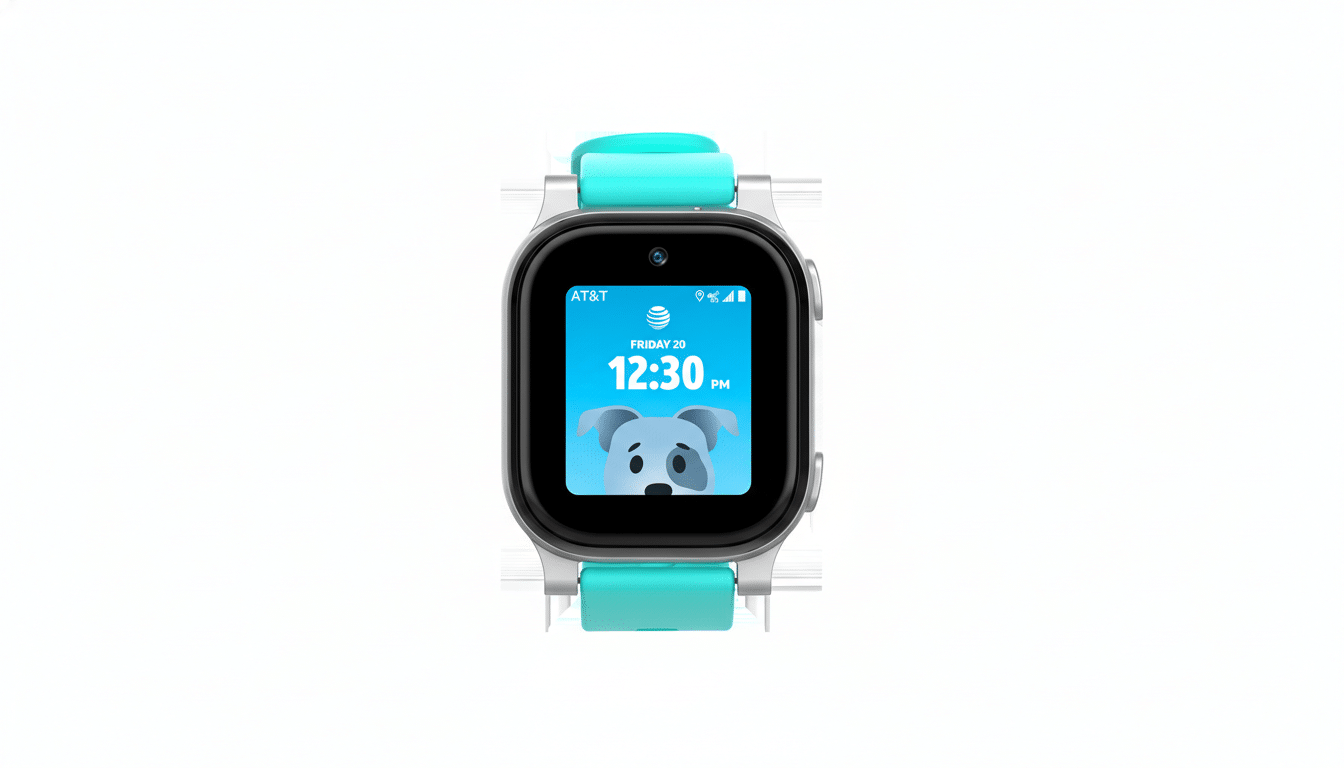
For children who aren’t ready for a phone, AT&T is also rolling out the amiGO Jr. Watch 2. Like the phone, it emphasizes location tracking and contact management, giving parents a progression: start with a watch, graduate to a phone with the same management philosophy, and keep oversight consistent across devices.
What Parents Should Check Before Buying One
Even with baked-in controls, no system is foolproof. Parents should confirm how app installs are approved, whether web browsing is limited to a safe browser, and if messaging and calling are restricted to a vetted contact list. It’s also worth reviewing data privacy disclosures, emergency calling behavior, and whether settings remain locked after factory resets or software updates.
Battery life, durability, and how quickly location updates refresh in real-world use matter just as much as checkboxes on a spec sheet. Guidance from pediatric groups encourages co-creating a family tech plan—covering when, where, and how devices are used—so the tool aligns with your rules rather than replacing them.
Bottom Line: What AT&T’s amiGO Jr. Means for Families
If AT&T’s amiGO Jr. delivers on its promise of reliable, built-in parental controls, it could become a default recommendation for first-time phone families. The low monthly hardware cost removes a big barrier, and the integrated design addresses the failure points that drive parents to switch apps again and again. For many households, “it just works” is the most valuable feature of all.
