


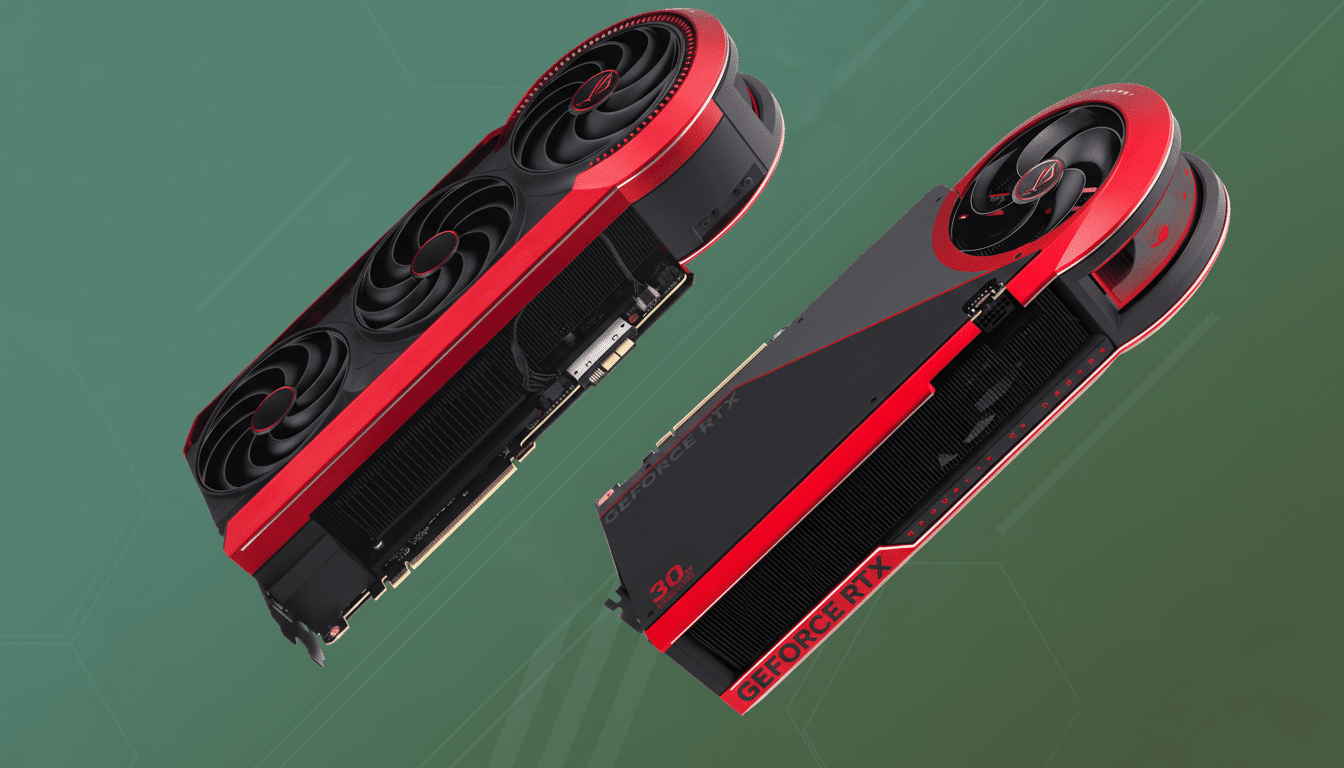
Asus has ceased shipment of its limited-run ROG Matrix Platinum 30th Anniversary Edition graphics card, which cost around $4,000 and is built around Nvidia’s latest high-end silicon, due to a mysterious “quality issue.” Retail partners have informed consumers that the company is working on a revised version, but there’s no word on when replacements or a return to shipping are expected.
What We Know So Far About The Halted ROG Matrix GPU
Customers in several markets all received messages from retailers, including Inet in Sweden, saying that shipments are on hold while Asus “investigates the problem.” Channel reporting from the likes of VideoCardz and others that follow board-partner activity backs up the halt, suggesting that Asus will offer gamers an updated version once available in exchange for affected cards.
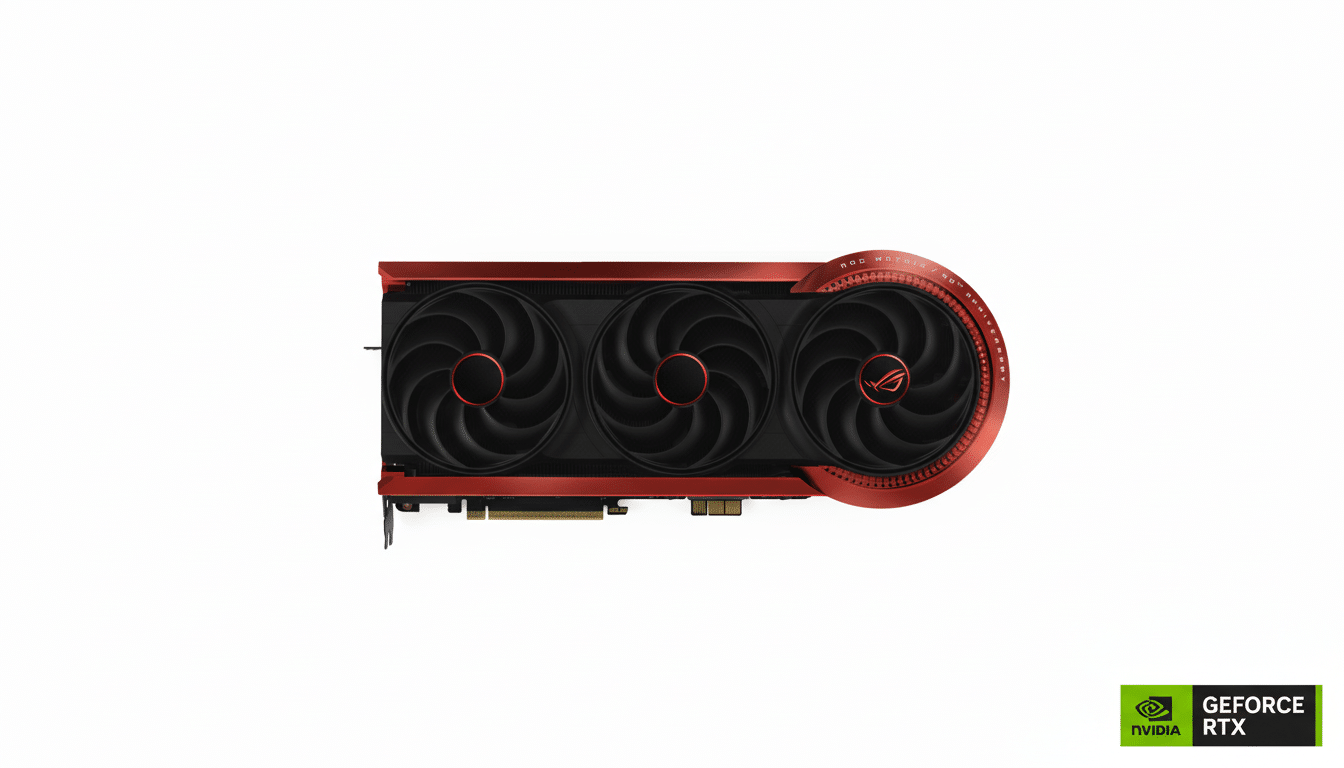
The card was a mid-November launch, and it carried a list price of €4,000 for Europe, $3,999.99 in the US. Asus’ own product pages currently list the model as out of stock. Supply was always going to be scarce — chit-chat on the channels set maximum production at about 1,000 units worldwide — so even a short delay exacts an outsize cost from the early adopters who preordered.
Some potential buyers are sharing that their preorders have been canceled or “terminated” on enthusiast forums devoted to the ROG brand. Retailers indicate that they’ll contact customers when Asus opens up a more definitive path, whether replacement, refund, or a new shipment window.
A Boutique Card With Fearless Engineering
The Anniversary Edition is the far end of consumer-tier GPUs, featuring as it does a factory overclock and more substantial cooler and build quality. It lards on features you typically don’t see in a reference card: advanced thermal design to maintain sustainable boost clocks under long loads, a gyroscopic or active anti-sag mechanism that prevents the PCIe slot from bending in heavy chassis builds, and support for Asus’ BTF ecosystem, which routes high-current power not through cabling but through an interface with a special board.
Those extras are part of the allure — and price tag. They’re also more newfangled sorts of components that add some amount of validation time and complexity. That window is even shorter for limited editions, because the latter are shipped in small batches with custom parts rather than mass-produced assemblies.
Possible Culprits and the Broader Industry Context
Asus has not specified the nature of the defect. In this class of performance product, the typical sources of problems are cooler mounting pressure and cold-plate flatness (which are thermals), PCB flex under weight, or power-mode issues as the industry moves on from the troubled 12VHPWR era to new high-current connectors such as 12V-2×6 and board-level equivalents. The company’s BTF strategy seeks to do away with cable strain, although any new connector set needs thorough validation across chassis and motherboards.
High-end GPU launches have run into snags before. Nvidia teamed up with its partners to address melted power plugs on certain RTX 4090 rigs in 2022, a reminder that the room for error shrinks as board power rises and designs become more dense. Enthusiast RMA rates for graphics cards typically fall in the low single digits, according to component channel trackers, but boutique, first-wave models always attract greater scrutiny from beyond-the-edge owners.
It’s also worth mentioning that a typo or a conflation of branding inspired by cosmetics has tripped up special editions in the past.
Asus once shipped an enthusiast-grade motherboard with a misspelling on the board, limiting it to small production runs.
That one was cosmetic — the pause Asus just implemented suggests some sort of functional reliability or manufacturing consistency problem that Asus doesn’t want to ship around.
Effects on Buyers and the Market for Boutique GPUs
For customers, the pragmatic solutions are few and simple: either keep the preorder and wait for the revised batch, or ask for a refund and switch to another graphics card from a different high-end board partner. With only around 1,000 units reportedly involved, scarcity will still be a factor following a fix and could breathe new interest among collectors into a corrected run.
For Asus, halting shipments protects brand value in a sector where reliability and acoustics are observed as much as frame rates. The choice probably puts off some revenue on a halo product, but it also helps prevent across-the-board RMAs that are otherwise able to quickly eat into the razor-thin margins of boutique hardware. Retailers, meanwhile, are on the hook for handling communication and funds flow over expensive preorders — not easy when a single GPU fetches what an entire gaming system does.
What Comes Next for Asus and Affected ROG Matrix Owners
When the root cause analysis is done and the mitigation plan is locked — whether that’s a revised cooler assembly, alternate connector, or tweak in manufacturing — we’ll be sure to provide an update. Until then, the Anniversary Edition stands as a reminder that state-of-the-art components that sit at the top of their game in terms of performance are not just fast; they’re also advanced. When something isn’t great, sometimes the right thing is to stop the line, fix it, and then ship.
