


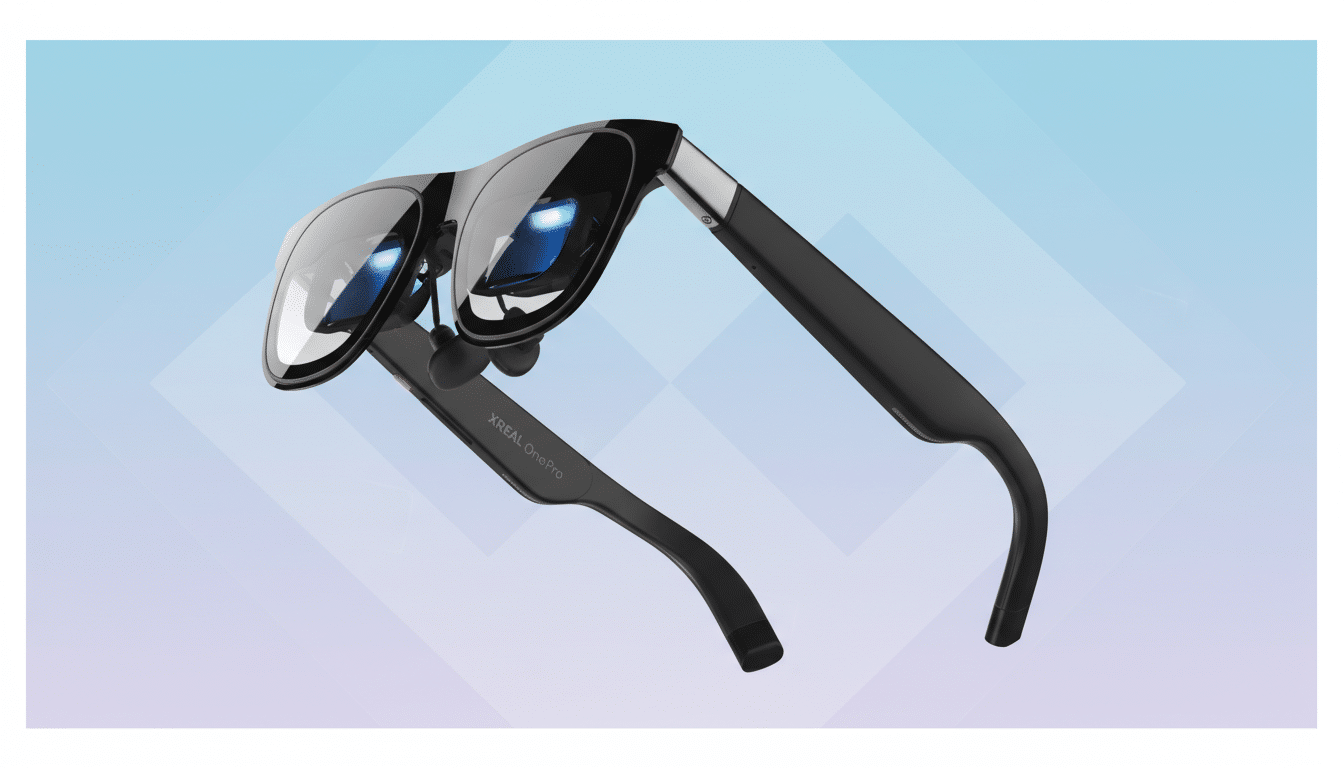
The Xreal One Pro augmented reality glasses just hit one of their lowest prices at Amazon, dropping to $599. That’s $170 off the usual $769 list price, a clean 22% discount on a pair of wearable displays aimed at gamers, frequent flyers, and anyone who wants a big screen without carrying one.
Why this deal matters for AR glasses buyers now
Sub-$600 is meaningful in the AR glasses category, where premium models often hover closer to $700–$1,000 and full-blown mixed reality headsets can run into the thousands. With this cut, the One Pro lands in a sweet spot for buyers who want a high-quality virtual monitor without stepping up to devices like Apple’s Vision Pro at $3,499.
- Why this deal matters for AR glasses buyers now
- What the Xreal One Pro AR glasses actually do
- Compatibility and setup for common devices
- Real-world use cases for travelers, gamers, workers
- Performance perspective on comfort and clarity
- Market context for lightweight AR display glasses
- Buying advice before you order the Xreal One Pro
The value proposition is straightforward: you’re effectively paying less than many midrange monitors for a personal, portable “screen” that goes wherever your laptop, handheld, or phone goes. For road warriors or students who bounce between locations, that convenience is tough to match.
What the Xreal One Pro AR glasses actually do
The One Pro projects a crisp virtual display in front of your eyes, creating the effect of a large floating screen without the bulk of a headset. Plug it into a compatible device and you can game, stream, or work on a cinematic-sized view while keeping your head up and your neck neutral—no more hunching over a handheld or airline tray table.
In practice, it’s a wearable external monitor. Think Steam Deck or ROG Ally gameplay on a big virtual canvas, a privacy-friendly second screen for your laptop on a train, or a personal theater for movies in a cramped seat. A clip-on light shield is typically included to reduce ambient glare when you need more immersion.
Compatibility and setup for common devices
Setup is plug-and-play for devices that output video over USB-C (DisplayPort Alt Mode), including many Windows laptops, select tablets, and some Android phones. Consoles, older laptops, and handhelds with HDMI can connect via an adapter or a dock. The glasses draw power from the host device, so there’s no battery to charge on the eyewear itself.
For more advanced features—like head-tracked viewing modes, casting, or multi-window layouts—Xreal’s optional accessories (such as the Beam family) and companion software can layer in those capabilities. If you simply want a sharp portable display, though, the One Pro works as a straightforward wired monitor substitute.
Real-world use cases for travelers, gamers, workers
Frequent travelers can turn any seat into a focused workspace. Gamers can pair the glasses with a handheld to get a screen that feels far bigger than the device allows. Remote workers who move between coffee shops and coworking spaces can add a personal “second monitor” without occupying extra table real estate.
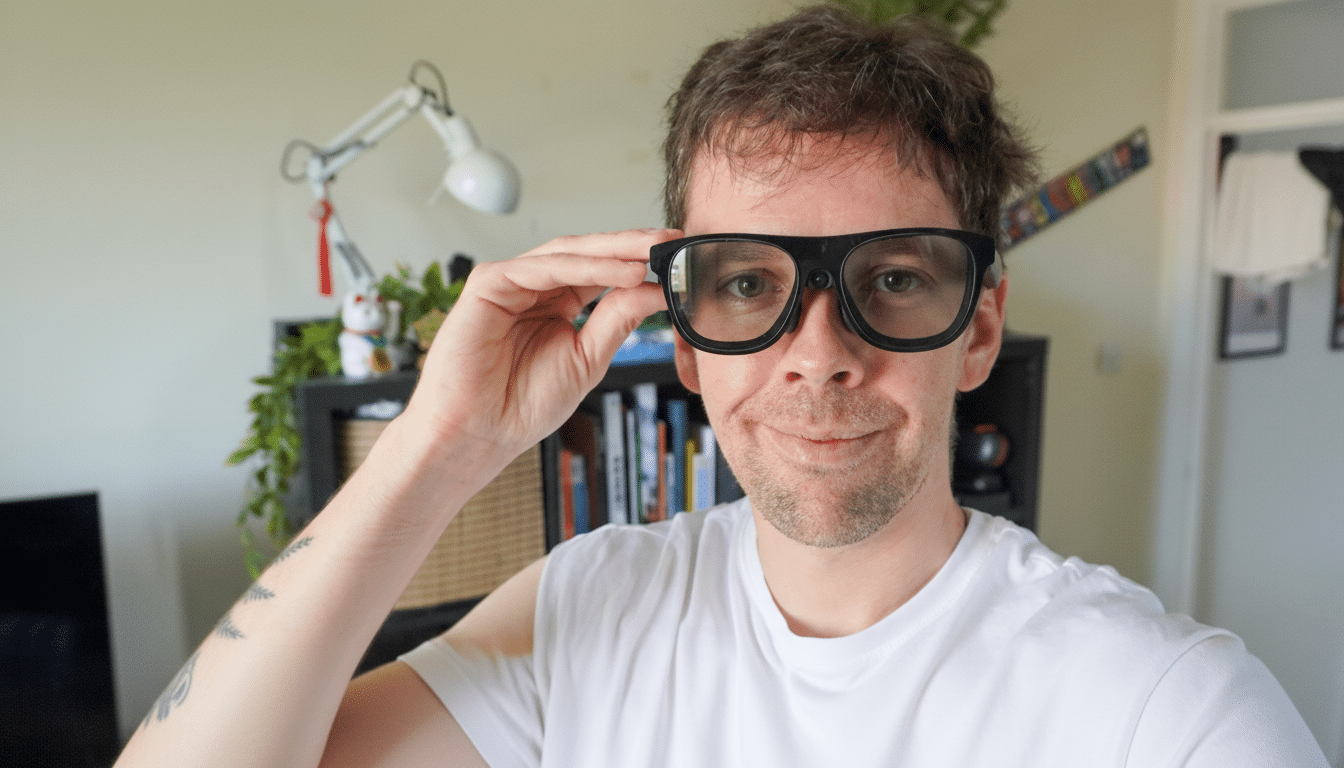
Another practical benefit is privacy: on planes or in open offices, the virtual display is visible to you, not to seatmates. That makes it easier to review documents, respond to sensitive emails, or unwind with a show without shoulder surfers.
Performance perspective on comfort and clarity
AR glasses like the One Pro focus on clarity and comfort rather than VR-style immersion. They’re far lighter than traditional headsets—typically under 100 grams compared with 450–600 grams for many VR units—so longer sessions are realistic without pressure hot spots. For most buyers, that ergonomic difference matters as much as raw display specs.
Color, contrast, and motion handling are strong suits for modern microdisplay-based eyewear, which is why many users report they can play fast titles or stream sports without smearing or fatigue. As always, getting the fit right with the included nose pads and adjusting screen placement in software makes a noticeable difference in comfort.
Market context for lightweight AR display glasses
Analysts at IDC and CCS Insight have pointed to lightweight display glasses as a bridge between phones and full mixed reality headsets, noting steady interest from gamers, mobile professionals, and media streamers. The One Pro’s discount aligns with a broader trend in extended reality where accessory-driven, phone- or PC-tethered experiences are gaining traction while the industry iterates on pricier standalone devices.
Buying advice before you order the Xreal One Pro
Before you buy, confirm your device supports video out over USB-C or plan for an HDMI adapter/dock. If you wear glasses, check for prescription lens insert options from third-party optical partners. And remember: this is a display-first product. If you want room-scale mixed reality with hand tracking and standalone apps, you’re shopping in a different—and much more expensive—category.
At $599, the Xreal One Pro is a compelling entry point into AR-powered productivity and portable big-screen entertainment. Inventory and pricing can shift quickly on marketplace listings, but for now, this is a strong chance to jump in well below the usual cost.
